
What's Happening?
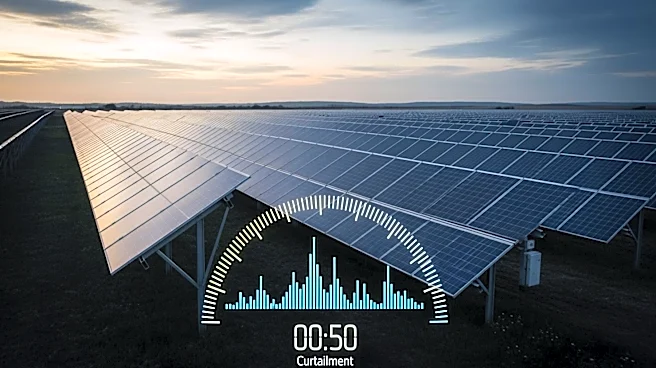
Atlas Renewable Energy, backed by BlackRock, has decided to freeze $1 billion in planned solar investments in Brazil. The decision comes as a result of high curtailment rates, which have become a significant
bottleneck for renewable energy expansion in the country. Curtailment rates for solar projects reached approximately 27% in 2025, significantly higher than the previous year, according to Rystad Energy estimates. The national grid operator's frequent rejection of renewable power has exacerbated the issue, leading Atlas to put on hold 1.5 gigawatts of planned construction. The company, which has one of the largest fleets of renewable energy projects in the Americas, faces challenges due to the lag in transmission infrastructure development, which is unable to keep pace with capacity additions.
Why It's Important?
The halt in investment by Atlas Renewable Energy highlights the challenges faced by renewable energy projects in Brazil, particularly the issue of curtailment. This situation underscores the need for improved transmission infrastructure to accommodate the growing share of intermittent renewables in the national grid. The delay in infrastructure development could hinder Brazil's renewable energy goals and affect the country's ability to meet its climate commitments. The decision by Atlas also reflects broader concerns within the renewable energy sector about the viability of investments in regions with inadequate grid capacity, potentially impacting future investment decisions by other companies.
What's Next?
Fitch Ratings has projected that Brazilian renewable energy projects will continue to experience curtailment until 2030, when the Graça Aranha transmission line is expected to expand transfer capacity between key regions. This timeline suggests that renewable energy companies may face ongoing challenges in Brazil, potentially leading to further investment freezes or shifts in strategy. Stakeholders, including government agencies and energy companies, may need to prioritize infrastructure development to mitigate curtailment issues and support the growth of renewable energy.