




What's Happening?
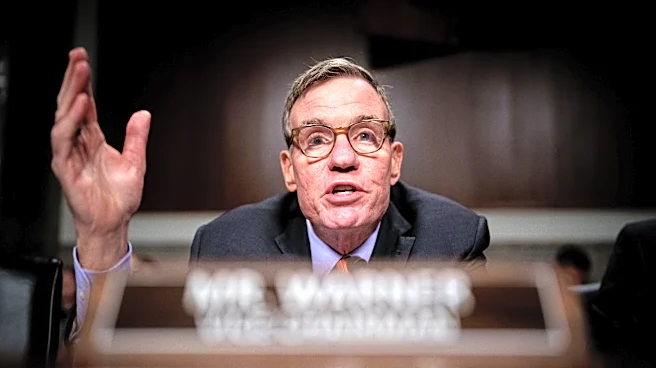
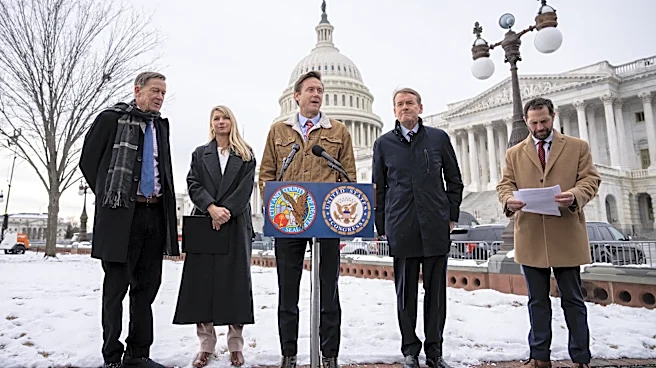
U.S. Senator John Hickenlooper has expressed dissatisfaction with the Department of the Interior's (DOI) investigation into the deadly Knowles Fire, which resulted in the deaths of four federal wildland firefighters. The fire, which occurred in Western
Colorado, saw Emily Barker, Nick Hutcherson, and Sydney Watson die at the scene, with Nathan Matthews succumbing to injuries later. A fifth firefighter survived. The DOI's report identified multiple contributing factors, including a two-hour gap in air attack coverage due to refueling and crosswinds preventing a replacement aircraft from taking off. Communication problems, such as aging radio infrastructure, repeater outages, and understaffing at the dispatch center, also hindered the response. As conditions deteriorated, the crew's escape options became limited, leading to their entrapment. Senator Hickenlooper stated that the report 'doesn't give us satisfying answers' regarding why firefighters were deployed into such extreme conditions. The family of Nick Hutcherson also voiced concerns, stating that questions about their son's death remain unanswered and calling for accountability from leadership.
Why It's Important?
This event highlights critical issues in wildland firefighting safety and operational protocols, particularly as wildfires become more frequent and intense. Senator Hickenlooper's call for further answers and accountability underscores a potential systemic problem within federal land management agencies regarding firefighter deployment and safety. The identified failures in air support and communication infrastructure point to a need for significant investment and reform to protect those on the front lines. The families' demand for accountability suggests a lack of trust in the initial findings and could lead to increased scrutiny of DOI's decision-making processes. This situation could prompt legislative action to improve funding for advanced equipment, enhance communication systems, and revise deployment strategies for wildland firefighters, impacting federal land management policies and resource allocation across the U.S. The incident also raises questions about the adequacy of current training and equipment for extreme fire conditions.
What's Next?
Senator Hickenlooper's team plans to review the DOI report with the department and push for additional answers to better protect Colorado's firefighters. The Hutcherson family is also seeking further examination of the decision-making processes and accountability from those responsible for overseeing the operation, particularly regarding the initial deployment of firefighters into dangerous conditions. This ongoing pressure from a U.S. Senator and affected families could lead to a more thorough, independent investigation or a re-evaluation of the DOI's internal procedures. It may also spur congressional hearings to address the identified shortcomings in wildfire response and firefighter safety. The findings from this incident are expected to be used to improve firefighter safety protocols, potentially leading to changes in training, equipment, and communication systems for federal wildland firefighting agencies nationwide. The focus will likely be on preventing similar tragedies in the future through policy adjustments and increased oversight.
Beyond the Headlines
The Knowles Fire tragedy and the subsequent calls for accountability extend beyond immediate operational failures, touching upon broader ethical and policy considerations. The question of why firefighters were deployed into 'extreme conditions' raises ethical concerns about risk assessment and the value placed on human life in hazardous occupations. The family's statement, emphasizing that 'Interior speaks about our grief, but its announcement gives our family no voice,' highlights a potential disconnect between official investigations and the emotional and informational needs of affected families. This incident could trigger a re-evaluation of the 'full suppression strategy' for wildfires, as suggested by Senator Hickenlooper, prompting a shift towards more adaptive and safer fire management approaches. Furthermore, the identified communication and air support gaps underscore the urgent need for modernization of federal emergency response infrastructure, reflecting a long-term challenge in adequately resourcing critical public safety services in the face of escalating environmental threats.