




What's Happening?
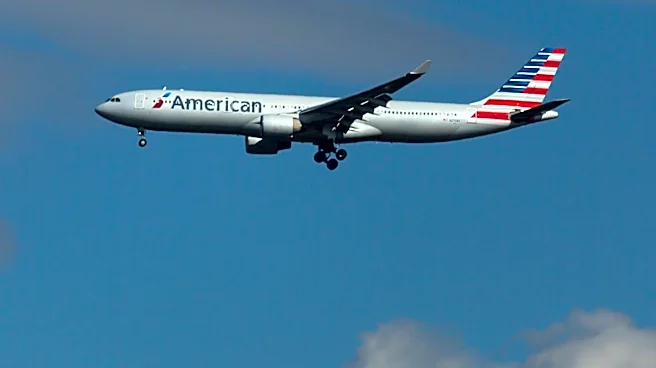
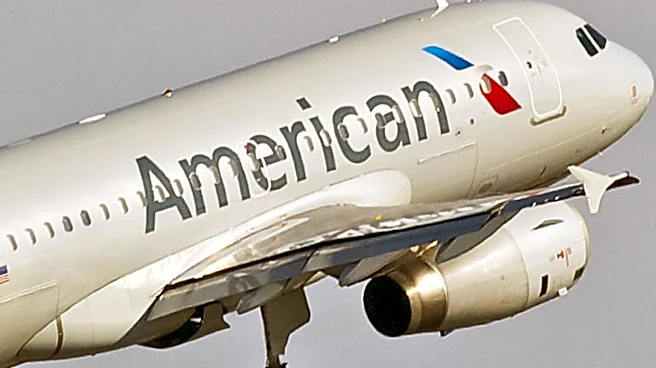
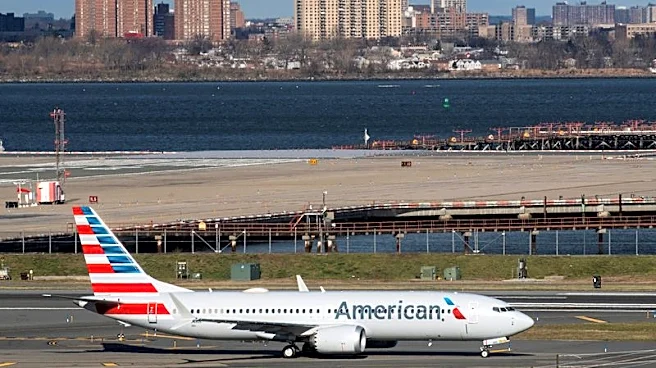
The Federal Aviation Administration (FAA) has launched an investigation into two separate tire-related incidents involving American Airlines and United Airlines aircraft at Chicago O'Hare International Airport on Monday. The first incident involved American Airlines Flight
386, a Boeing 737-800 arriving from New York’s LaGuardia Airport, which experienced two tire bursts upon landing. Despite the issue, the aircraft landed safely, and passengers were bused to the terminal. Several hours later, United Airlines Flight 739, an Airbus A320 that had flown from Omaha, Nebraska, also encountered a tire problem. Passengers on the United flight were evacuated using stairs. Authorities have not yet indicated any connection between the two incidents. These events follow other recent tire-related issues at Chicago airports, including a United flight aborting takeoff at O'Hare due to a blown tire and a Southwest Airlines aircraft experiencing tire pressure loss at Chicago Midway International Airport earlier in the month. No injuries were reported in any of these incidents.
Why It's Important?
These incidents highlight ongoing concerns regarding aircraft maintenance and operational safety within the U.S. airline industry, particularly at major hubs like Chicago O'Hare. While no injuries were reported, repeated tire failures can cause significant operational disruptions, leading to flight delays, cancellations, and increased costs for airlines due to aircraft inspections and repairs. For passengers, such events can erode confidence in air travel safety and lead to stressful travel experiences, including unexpected evacuations and prolonged waits. The FAA's investigation is crucial for identifying potential systemic issues, whether related to maintenance practices, equipment reliability, or operational procedures, which could impact the safety standards of commercial aviation. The frequency of these occurrences in a short period at Chicago airports suggests a need for thorough scrutiny to prevent future incidents and maintain public trust in air travel.
What's Next?
The FAA's investigation will proceed to determine the root causes of the tire failures for both American Airlines Flight 386 and United Airlines Flight 739. This will likely involve examining maintenance records, inspecting the aircraft, and reviewing operational procedures. Depending on the findings, the FAA could issue new safety directives, recommend changes to airline maintenance protocols, or mandate specific inspections across relevant aircraft fleets. Airlines involved will need to cooperate fully with the investigation and implement any necessary corrective actions to ensure compliance and enhance safety. Passengers may see increased scrutiny of aircraft pre-flight checks and maintenance, potentially leading to minor operational adjustments. The outcomes of this investigation could influence future regulatory requirements for aircraft components and maintenance practices across the U.S. airline industry.
Beyond the Headlines
The recurring nature of tire-related incidents at Chicago airports, even without reported injuries, points to a broader challenge in maintaining the integrity of critical aircraft components under high operational demands. While individual incidents might be attributed to specific mechanical failures, a pattern could suggest underlying issues such as increased stress on landing gear due to heavier aircraft loads, more frequent takeoffs and landings at busy airports, or even subtle environmental factors affecting tire durability. The economic implications extend beyond immediate repair costs, encompassing potential insurance claims, reputational damage for airlines, and the broader impact on air travel demand if public perception of safety declines. This situation underscores the continuous need for rigorous safety protocols, advanced material science in aviation components, and proactive maintenance strategies to ensure the long-term reliability and safety of air transportation.