



What's Happening?
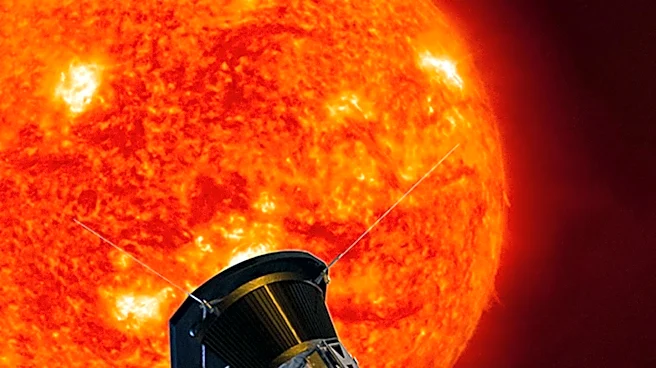
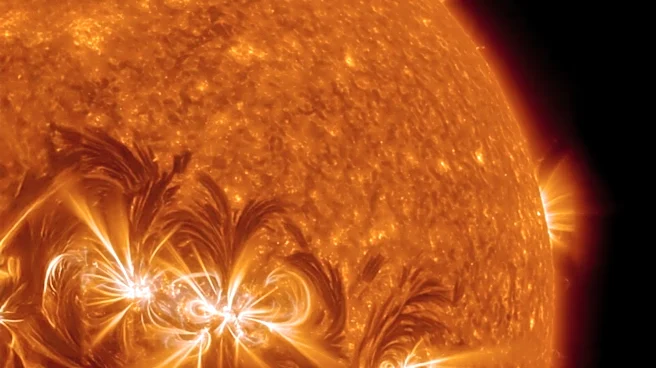
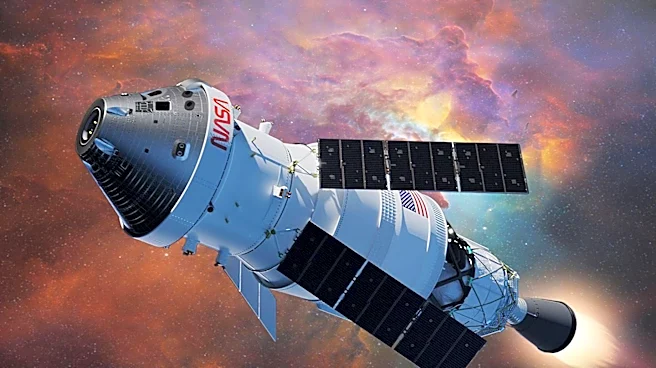
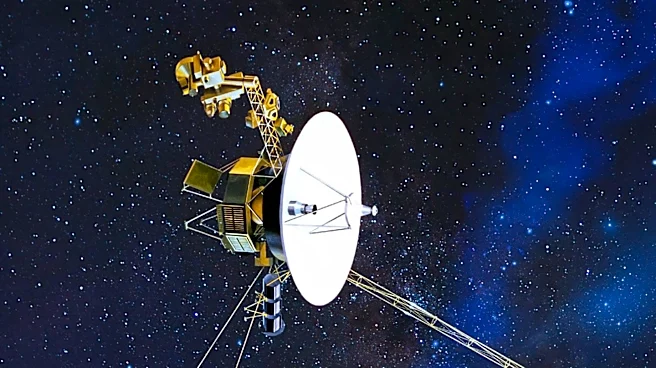
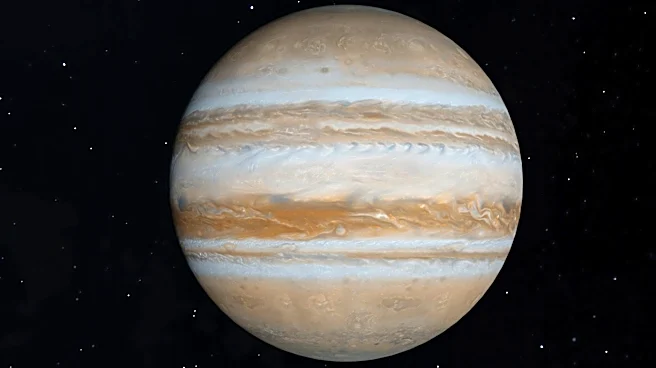
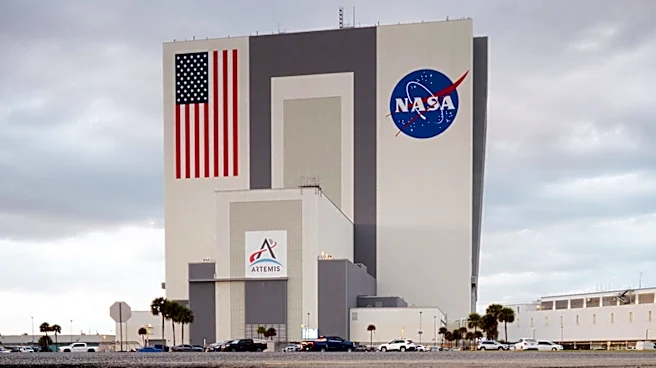
The National Aeronautics and Space Administration (NASA) is actively engaging the public by making its extensive library of space images and videos accessible through various platforms. NASA's Image and Video Library serves as the primary repository,
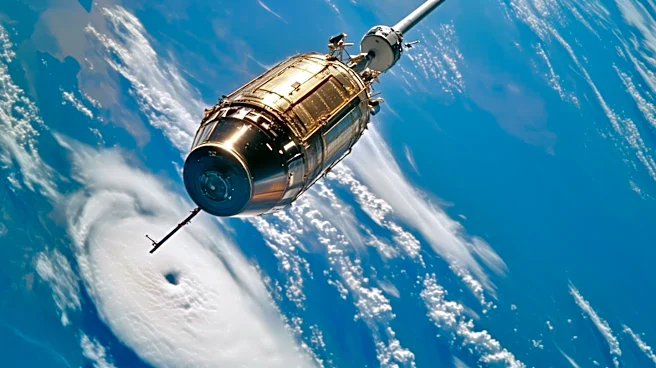
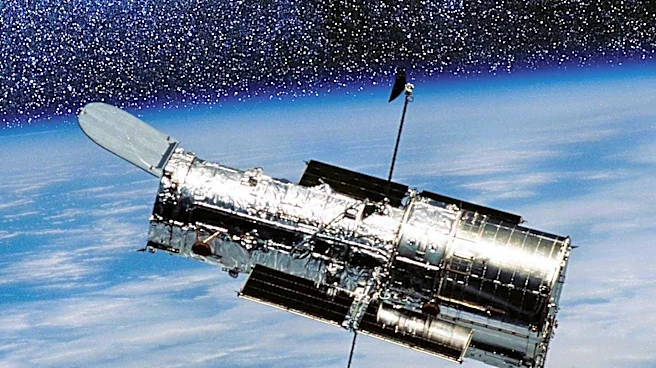
offering a comprehensive collection of media, including astronaut photos, space conferences, and satellite imagery. This library allows users to explore content by newest uploads or popular trends. Additionally, NASA Images provides a more organized, albeit less comprehensive, alternative for accessing recent content. The NASA Johnson Flickr page and NASA's social media accounts on platforms like X, Instagram, and Facebook further expand the reach of NASA's visual content. These platforms offer high-resolution images and videos, although downloading them at the best resolution can be challenging depending on the platform.
Why It's Important?
NASA's initiative to make its media library publicly accessible underscores the agency's commitment to transparency and public engagement. By releasing these images and videos into the public domain, NASA not only educates and inspires the public but also fosters a greater appreciation for space exploration and scientific discovery. This accessibility allows educators, researchers, and enthusiasts to utilize NASA's resources for educational and outreach purposes, potentially sparking interest in STEM fields among younger generations. Moreover, the availability of high-quality space imagery can enhance public understanding of NASA's missions and the broader universe, contributing to a more informed and engaged society.
What's Next?
As NASA continues to expand its media library, the agency may explore additional platforms and technologies to enhance accessibility and user experience. Future developments could include improved search functionalities, more interactive content, and collaborations with educational institutions to integrate NASA's resources into curricula. Additionally, as new missions and discoveries occur, NASA will likely update its library with fresh content, maintaining public interest and engagement. Stakeholders such as educators, scientists, and space enthusiasts will continue to benefit from these resources, potentially leading to new educational programs and public initiatives centered around space exploration.