





What's Happening?
Chinese exporters have expressed confidence in their resilience against U.S. tariff threats as President Trump prepares for a visit to Beijing. Despite previous tariff hikes, many Chinese firms have maintained their U.S. client base and expanded into
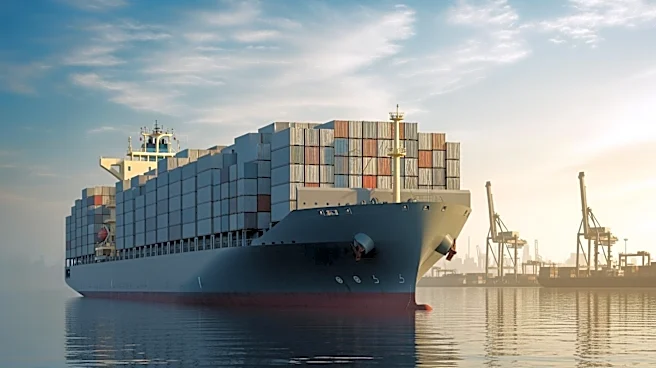
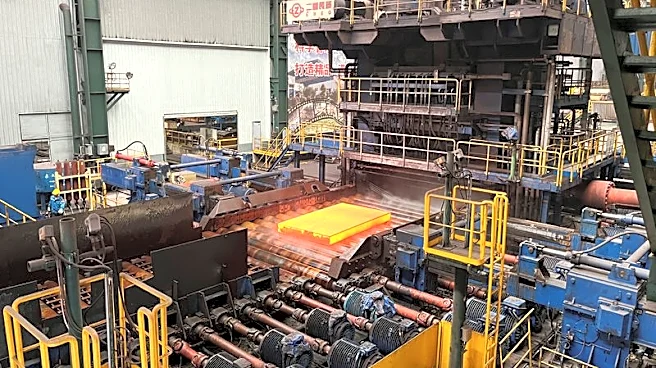
new global markets. This resilience is attributed to China's strong supply chains and product quality. Companies have adopted strategies to mitigate tariff impacts, such as passing costs to U.S. consumers and diversifying markets. China's national strategy of self-sufficiency and expansion into regions like Europe, South America, and Africa has bolstered its trade surplus, despite a decline in exports to the U.S.
Why It's Important?
The ability of Chinese exporters to withstand U.S. tariff pressures highlights the complexities of the global trade landscape. China's strategic expansion and self-sufficiency efforts underscore its role as a major player in international trade. The ongoing U.S.-China trade tensions have significant implications for global supply chains, affecting industries reliant on Chinese goods. The resilience of Chinese firms may influence U.S. trade policy and negotiations, as well as impact American businesses dependent on Chinese imports. The situation also reflects broader geopolitical dynamics, with potential consequences for international economic relations.
What's Next?
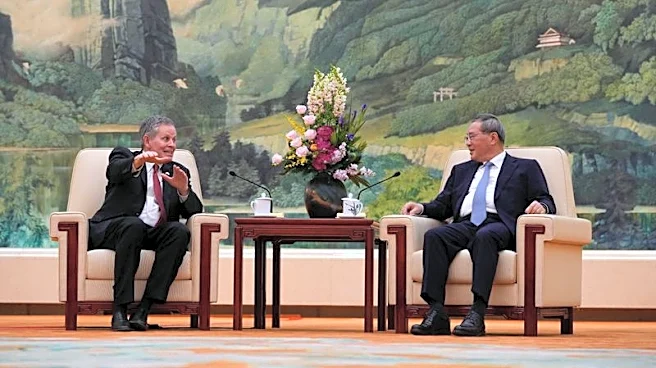
As President Trump visits Beijing, discussions on trade and tariffs are expected to be a focal point. Both countries may explore avenues for easing trade tensions, potentially involving commitments on tariffs and export controls. The outcome of these talks could shape future trade policies and economic relations between the U.S. and China. Businesses and investors will closely monitor developments, as any changes in trade dynamics could affect market conditions and strategic planning. The global community will also watch for potential shifts in trade alliances and economic strategies resulting from these negotiations.