




What's Happening?
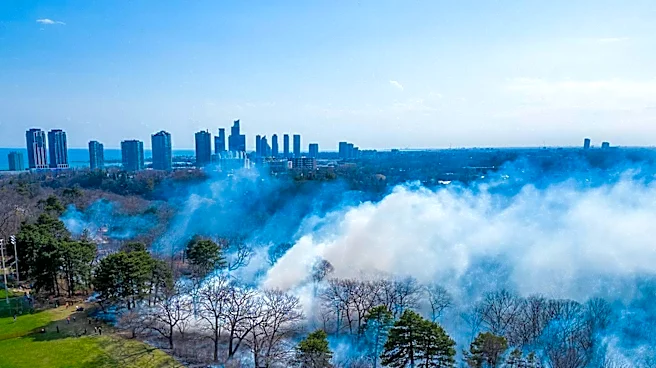
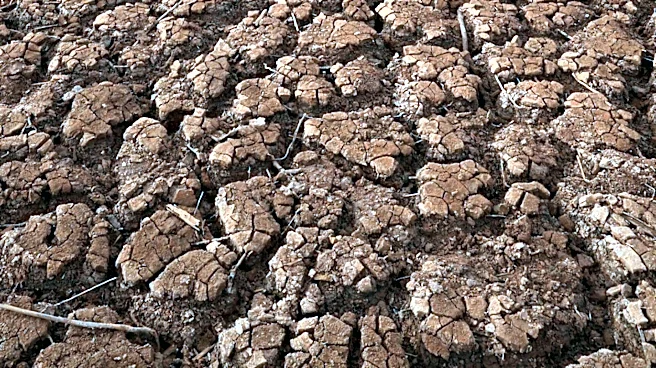
Dust storms originating from the exposed lakebed of the Great Salt Lake are becoming more frequent, posing health risks to residents in northern Utah. The lake's declining water levels have exposed over 55% of the lakebed, leading to increased dust storms that
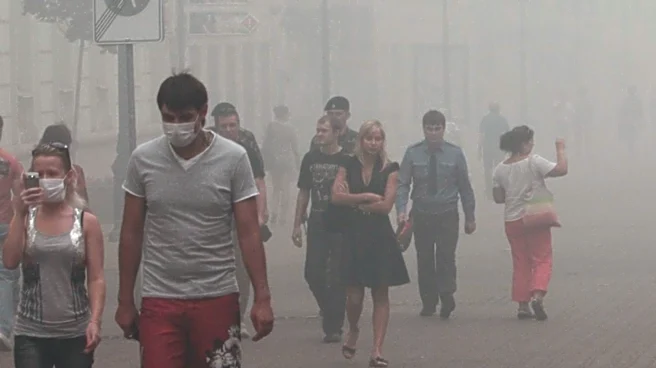
carry harmful pollutants such as heavy metals and pesticides. These dust storms can significantly worsen air quality, affecting vulnerable populations including the elderly and those with pre-existing health conditions. Researchers and state officials are working to monitor and mitigate the impact of these dust storms.
Why It's Important?
The increasing frequency of dust storms from the Great Salt Lake is a significant environmental and public health concern. Poor air quality can lead to respiratory issues and other health problems, impacting the quality of life for residents. The situation highlights the broader issue of water management and conservation in the region, as the lake's declining levels are largely attributed to water overconsumption. Addressing these challenges is crucial for protecting public health and ensuring the sustainability of the region's natural resources.
What's Next?
Efforts are underway to install additional dust monitoring stations to better understand the composition and impact of the dust storms. State officials are also exploring mitigation strategies to reduce dust emissions and improve air quality. Public awareness campaigns may be launched to educate residents on how to protect themselves during dust storms. Long-term solutions will likely involve addressing water usage and conservation to prevent further decline of the Great Salt Lake.