
What's Happening?
Venezuela's tourism sector is facing a severe crisis as thousands of tourists, including many from the U.S., are stranded due to an ongoing conflict involving U.S. military actions in the region. The situation
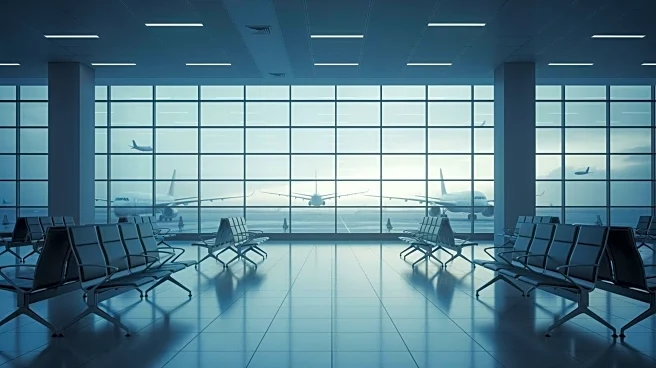
has led to widespread travel disruptions, with flight cancellations and airspace restrictions trapping visitors in Venezuela. The U.S. State Department has issued a shelter-in-place order for American citizens in Venezuela following military strikes in Caracas. The Federal Aviation Administration (FAA) has banned U.S. commercial flights over Venezuelan airspace, further complicating travel. The crisis has resulted in significant delays and confusion at airports, with many travelers unable to return home. The U.S. Embassy in Caracas remains closed, limiting consular support for stranded citizens.
Why It's Important?
The conflict and resulting travel disruptions highlight the vulnerabilities of global tourism to geopolitical tensions. The situation affects not only Venezuela but also neighboring countries, as the airspace ban and military activity create a bottleneck in regional travel. This has significant implications for the tourism industry, particularly during the post-Christmas travel season when many tourists are returning home. The economic impact is expected to be substantial, affecting airlines, cruise lines, and tourism-dependent economies in the region. The crisis underscores the need for international cooperation to ensure the safety and mobility of travelers during geopolitical conflicts.
What's Next?
As the conflict continues, the U.S. government and other nations are likely to focus on evacuation plans and diplomatic efforts to resolve the situation. Airlines and cruise operators will need to adjust their routes and schedules to avoid conflict zones, potentially leading to longer travel times and increased operational costs. Travelers are advised to remain flexible and stay informed about the evolving situation. The broader tourism industry may need to reassess its strategies for dealing with geopolitical risks and ensuring traveler safety.