






What's Happening?
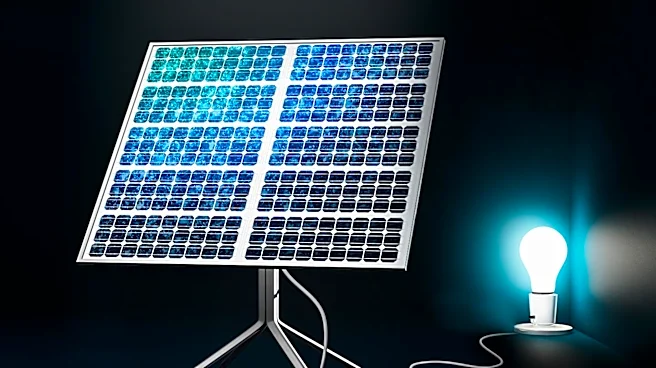
DIY plug-in solar systems, also known as balcony solar, are gaining traction in the United States. These systems, which allow individuals to generate their own electricity by plugging solar panels directly into a standard wall outlet, have been popular
in Europe for years. Historically, U.S. utility regulations treated these small-scale solar setups similarly to large rooftop arrays, requiring extensive permits and approvals. However, a growing number of U.S. states are now reclassifying plug-in solar as a small household appliance, simplifying the installation process. States like Virginia, Maine, Colorado, Maryland, New Jersey, Connecticut, Vermont, and New Hampshire have already legalized their deployment, with California and New York having legislation awaiting gubernatorial signature. This shift allows consumers to install these systems without utility pre-approval, provided they meet safety requirements, prevent circuit overloading, and shut down during power outages.
Why It's Important?
The increasing adoption of DIY plug-in solar systems in the U.S. signifies a significant shift towards democratizing energy production and offering consumers more control over their electricity costs. This technology transforms solar energy from a high-barrier capital improvement, often costing upwards of $15,000 and requiring professional installation, into an accessible consumer appliance available for as little as $300. This makes solar power attainable for renters and budget-conscious individuals who might not be able to invest in traditional rooftop installations. The move also has implications for energy independence, allowing households to offset their electricity bills and potentially reduce their reliance on the grid. The growing market is attracting interest from companies like EcoFlow, Bluetti, and Anker, leading to a wider selection of modular kits that can be expanded over time, further empowering consumers to build their own home energy systems.
What's Next?
The trend of states legalizing plug-in solar is expected to continue, with more legislation likely to be introduced across the U.S. The potential signing of legislation in California, a state with high residential electricity rates, could significantly accelerate adoption nationwide. As more states streamline regulations, the market for plug-in solar systems is anticipated to experience substantial growth. This will likely lead to increased competition among manufacturers, potentially driving down costs and expanding product offerings. Consumers can expect to see more advanced and modular systems that allow for greater customization and scalability. The long-term impact could include a more decentralized energy landscape, with a larger portion of electricity generated at the household level, contributing to overall energy resilience and potentially reducing the strain on traditional power grids.
Beyond the Headlines
Beyond the immediate economic and regulatory implications, the rise of DIY plug-in solar systems touches upon broader themes of individual empowerment and environmental responsibility. By making solar energy more accessible, these systems foster a sense of agency among consumers, allowing them to actively participate in reducing their carbon footprint and contributing to a cleaner energy future. This shift also challenges traditional utility models, which have historically maintained centralized control over energy production and distribution. The increased availability of affordable, user-installable solar solutions could lead to a more distributed energy infrastructure, potentially enhancing grid stability and reducing vulnerability to large-scale outages. Furthermore, it highlights a growing consumer demand for sustainable and self-sufficient living, pushing the boundaries of what is considered a 'utility' and empowering individuals to become micro-producers of energy.