





What's Happening?
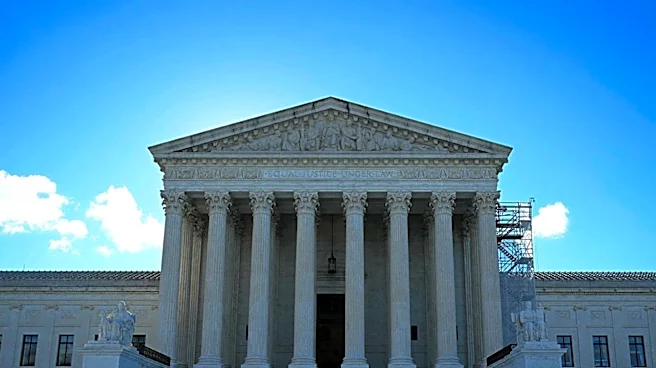
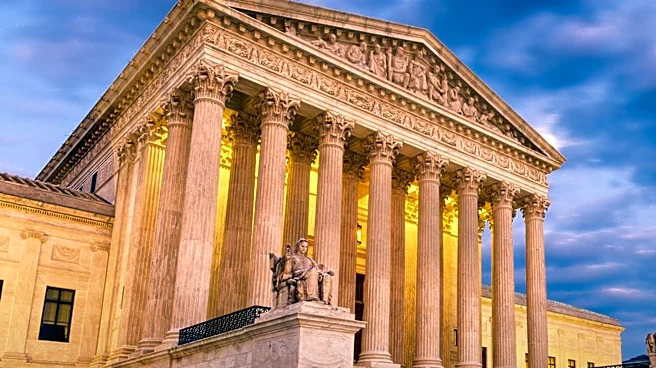
The Trump administration has requested the Supreme Court to intervene in a lawsuit, seeking permission to utilize a data system known as "Systematic Alien Verification for Entitlements" (SAVE) to review state voter rolls ahead of the midterm elections.
This request follows a June ruling by U.S. District Judge Sparkle Sooknanan, who determined that the Trump administration acted unlawfully in creating this centralized database. Judge Sooknanan stated that the SAVE database, which contains private information of Americans, was used by some states to incorrectly remove U.S. citizens from voter rolls. The judge found that the administration violated three federal laws in its attempt to implement the system, asserting that it "knowingly trampled on the privacy rights of American citizens in a manner that threatens the sacred right to vote." The Court of Appeals for the D.C. Circuit recently denied the Trump administration's request to stay the district court's block on the SAVE database. Solicitor General D. John Sauer has labeled Sooknanan's ruling as "indefensible" and a threat to election integrity, arguing that the judge exceeded her authority and that the voting rights groups lacked proper legal standing.
Why It's Important?
This legal challenge is significant as it directly impacts the integrity and accessibility of U.S. elections, particularly concerning voter registration and the potential for voter disenfranchisement. The Trump administration's push to use the SAVE database is part of a broader effort to identify instances of non-citizens voting, a claim that has largely been debunked as rare. The core issue revolves around the balance between ensuring election security and protecting the voting rights and privacy of U.S. citizens. If the Supreme Court allows the use of the SAVE system, it could lead to more widespread challenges to voter registrations based on citizenship status, potentially affecting a significant number of eligible voters. Conversely, upholding the lower court's decision would reinforce protections against what Judge Sooknanan described as federal overreach and violations of privacy rights. The outcome will set a precedent for how federal agencies can collect and use personal data for election-related purposes and could influence future debates on voter identification and registration processes.
What's Next?
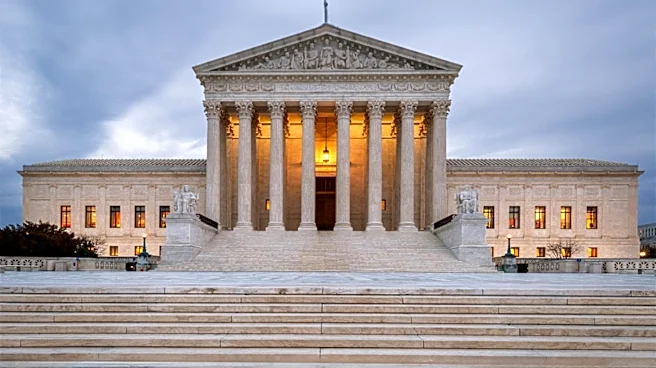
The Supreme Court will now consider the Trump administration's request to lift the stay on the SAVE database. The Court's decision will determine whether the system can be used to review state voter rolls for the upcoming midterm elections. If the Supreme Court grants the administration's request, states could proceed with using the SAVE database, potentially leading to increased scrutiny and challenges to voter registrations. This could prompt further legal actions from voting rights groups and civil liberties organizations, who would likely argue that such use could lead to the erroneous removal of eligible voters. Conversely, if the Supreme Court upholds the lower court's block, the Trump administration's efforts to implement this specific method of voter citizenship verification would be halted, at least for the immediate future. This would likely be seen as a victory for privacy advocates and those concerned about voter disenfranchisement, but could also lead to the administration exploring alternative methods for voter verification.
Beyond the Headlines
The legal battle over the SAVE database highlights deeper tensions surrounding voting rights, data privacy, and federal authority in the U.S. The case touches upon the fundamental right to vote and the government's role in ensuring election integrity without infringing on civil liberties. The use of large-scale databases for citizenship verification raises ethical questions about potential biases in data, the accuracy of records, and the risk of disproportionately affecting certain demographic groups. Beyond the immediate electoral implications, the Supreme Court's decision could influence the broader landscape of data governance and privacy protections in the digital age. It could also set a precedent for how executive orders are challenged and reviewed by the judiciary, particularly when they involve sensitive issues like personal data and constitutional rights. The outcome will contribute to the ongoing national discourse about the balance between security measures and individual freedoms in a democratic society.