







What's Happening?
As the United States approaches its 250th anniversary, a movement is emerging to ensure that the celebrations reflect a more inclusive narrative of American history. In Philadelphia, artists at the Huddle gallery are showcasing works that highlight the contributions
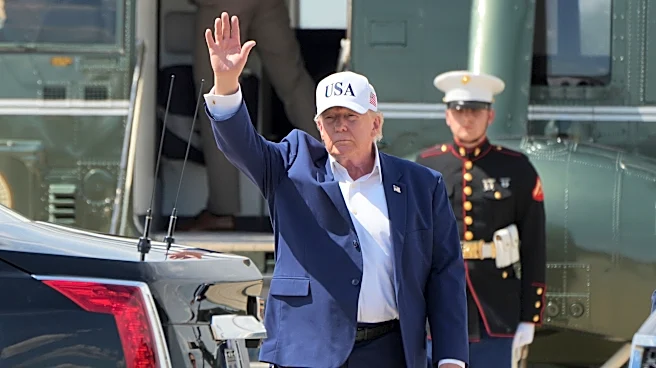
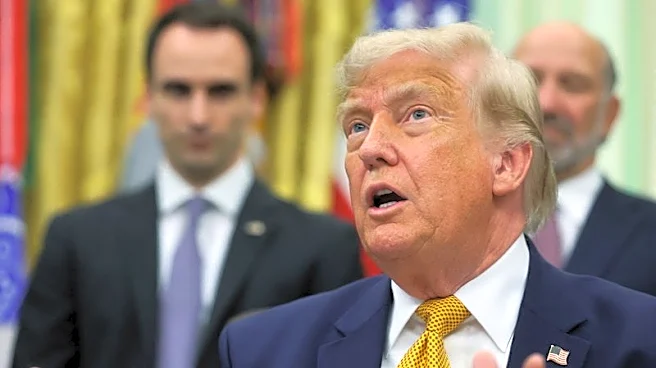
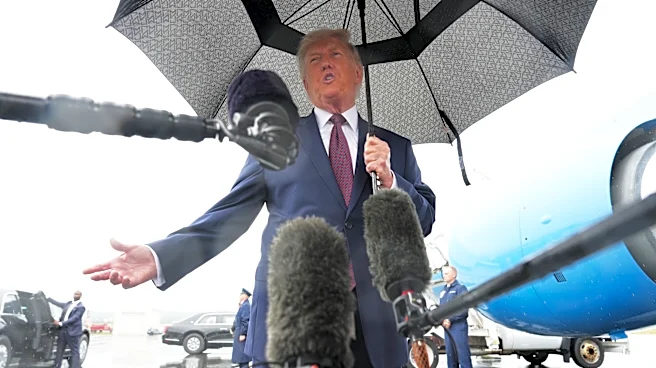
of LGBTQ+ activists from the 1970s to the present. This initiative is part of a broader effort to address what some see as an attempt by the Trump administration to gloss over or politicize the nation's complex history. Events like 'Reclamation Day' in Brooklyn, organized by the Black Liberation Indigenous Sovereignty Collective, aim to highlight marginalized voices and advocate for reparations and land returns for Native Americans. These efforts are juxtaposed against the Trump administration-backed Freedom 250, which plans large-scale events like a UFC fight at the White House and the Great American State Fair.
Why It's Important?
The movement to reshape the narrative of America's 250th birthday celebrations underscores a significant cultural and political divide in the country. By focusing on the stories of marginalized communities, these initiatives challenge the traditional narratives often highlighted in national celebrations. This push for inclusivity reflects broader societal debates about representation and historical accuracy. The efforts to include diverse voices in the semiquincentennial celebrations could influence public perception and policy, potentially leading to greater recognition of the contributions of historically marginalized groups. The tension between these inclusive efforts and the administration's plans highlights ongoing debates about national identity and the role of history in shaping contemporary society.
What's Next?
As the anniversary approaches, it is likely that more events and exhibitions will emerge, aiming to provide a more comprehensive view of American history. The response from political leaders and the public will be crucial in determining the impact of these initiatives. Organizations like Get Free and Next250 are planning further actions, including a 'Week of Repair' campaign and a national effort to write 'Letters to America.' These activities could foster dialogue and potentially influence future policy decisions regarding historical representation and education. The outcome of these efforts may also affect the political landscape, particularly if they resonate with a significant portion of the American public.
Beyond the Headlines
The movement to reshape America's 250th birthday celebrations raises important questions about the ethics of historical representation. By challenging the dominant narratives, these initiatives highlight the need for a more nuanced understanding of history that acknowledges both achievements and injustices. This approach could lead to long-term shifts in how history is taught and commemorated in the United States. Additionally, the focus on inclusivity and representation may inspire similar movements in other countries, prompting a reevaluation of national narratives and the role of marginalized communities in shaping history.