



What's Happening?
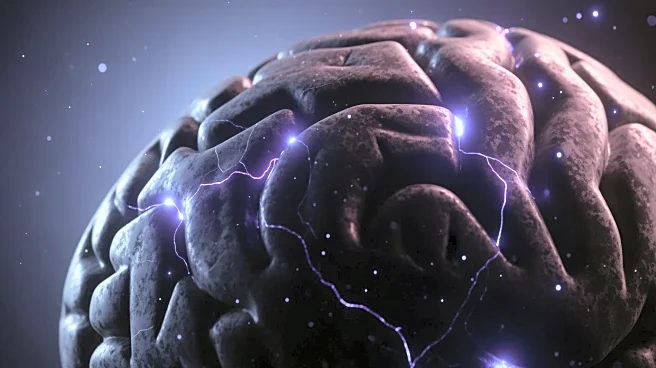
A recent study has identified 'brainquakes' as a significant factor in the disruption of brain connectivity among individuals with psychotic disorders such as schizophrenia and bipolar disorder. These brainquakes represent an imbalance between redundancy
and synergy within brain networks, affecting how brain cell circuits process information. The study involved detailed brain scans of 1,111 participants, including those with schizophrenia, bipolar disorder, and healthy controls. The findings revealed that individuals with psychotic disorders exhibited more irregular and random connectivity, likened to active volcanoes within the brain. This research provides a new perspective on the complexity and organizational states of the brain in psychotic conditions, although further studies are needed to understand the long-term impact of these brainquakes.
Why It's Important?
The discovery of brainquakes offers a potential breakthrough in understanding the underlying mechanisms of psychotic disorders, which affect a significant portion of the U.S. population. With approximately 3 in 100 people experiencing a psychotic episode in their lifetime, this research could lead to more effective treatments with fewer side effects. By identifying the patterns and frequency of brainquakes, scientists may develop better diagnostic tools and interventions to manage these conditions. The study also highlights the importance of identifying biomarkers and triggers, such as high-potency cannabis use, which can lead to psychotic episodes. This research could ultimately improve mental health outcomes and reduce the societal burden of psychotic disorders.
What's Next?
Further research is required to explore the long-term effects of brainquakes on cognitive function and their role in driving psychotic disorders. Scientists aim to track these disruptions over extended periods to better understand their impact on brain networks. Additionally, the study suggests the need for more comprehensive investigations into the triggers and biomarkers associated with psychotic episodes. As researchers continue to unravel the complexities of the brain, these findings may pave the way for innovative treatment approaches and preventive measures in mental health care.
Beyond the Headlines
The identification of brainquakes raises ethical considerations regarding the treatment and management of psychotic disorders. As scientists delve deeper into the brain's intricacies, questions about the balance between medical intervention and natural brain processes emerge. The study also underscores the cultural and societal implications of mental health disorders, emphasizing the need for increased awareness and support for affected individuals. Long-term shifts in mental health policy and public perception may result from these scientific advancements, potentially leading to more inclusive and compassionate approaches to mental health care.