


What's Happening?
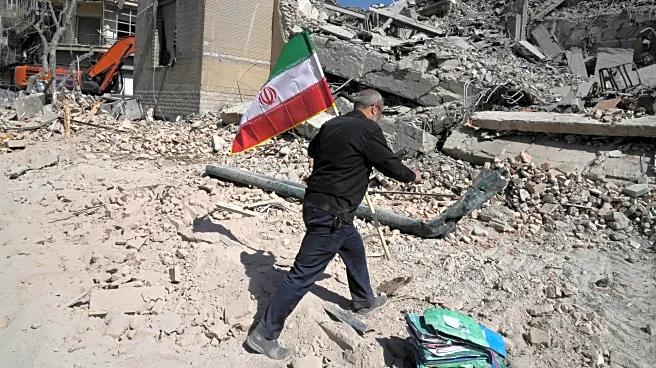
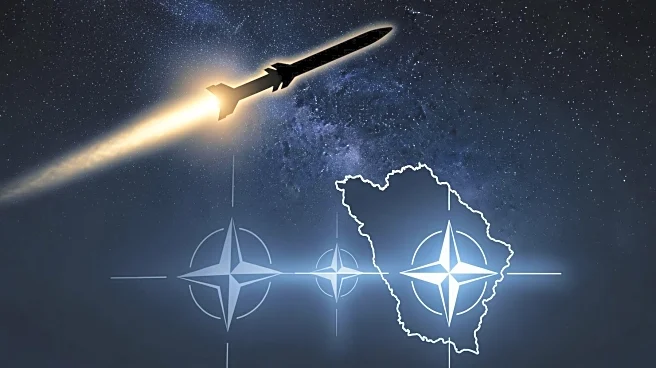
NATO has successfully intercepted a ballistic missile fired from Iran that was headed towards Turkish airspace. This marks the first intervention by the alliance to protect a member state since the recent escalation of hostilities involving the U.S. and
Israel against Iran. The missile was shot down by NATO air defenses in the eastern Mediterranean, preventing potential damage or casualties in Turkey. The incident has prompted Turkey to summon Iran's ambassador and issue warnings against further actions that could escalate the conflict.
Why It's Important?
This interception underscores NATO's commitment to defending its member states and highlights the growing complexity of the conflict involving Iran. The involvement of NATO could signal a shift in the dynamics of the conflict, potentially deterring further aggression from Iran. The situation also raises concerns about the security of the region and the potential for broader military engagements. The economic implications are significant, as regional instability can affect global markets and trade routes.
What's Next?
Turkey's response to the missile interception will be closely watched, as it may influence future diplomatic and military strategies. NATO's continued involvement could lead to increased military readiness and coordination among member states. The international community may push for diplomatic resolutions to prevent further escalation. Monitoring the situation, countries may adjust their foreign policies and alliances in response to the evolving conflict.