




What's Happening?
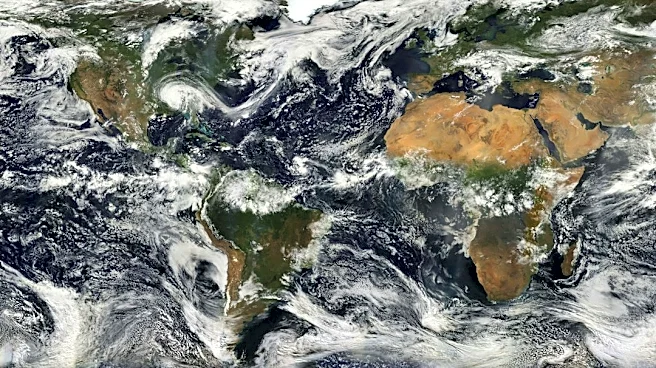
A 'Super El Niño' event, characterized by tropical Pacific Ocean surface waters approximately 2 degrees Celsius warmer than usual, is currently underway and is forecast to continue causing devastating consequences globally until at least March 2027. According
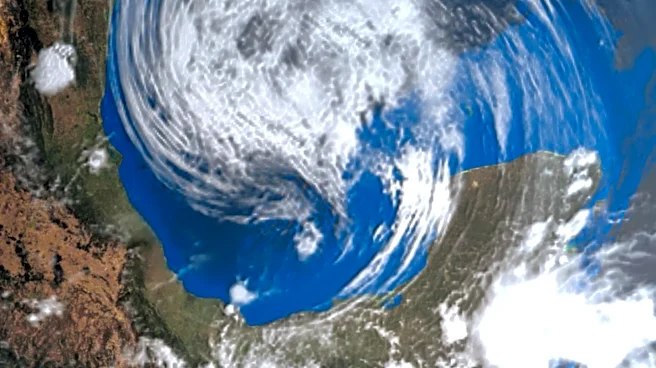
to meteorologists, this El Niño is one of the most historic episodes in modern observation records, with temperatures hitting 3.05°C above average in September 2026. El Niño episodes occur when the waters of the Central Pacific warm as equatorial trade winds weaken, allowing warm waters to spread eastward towards South America. This phenomenon significantly influences atmospheric steering currents and storm tracks, leading to altered seasonal precipitation patterns and coastal weather hazards. The current event is already causing coastal flooding and is expected to exacerbate extreme weather events worldwide, including severe drought in some regions and unusually heavy rainfall and flooding in others.
Why It's Important?
The ongoing 'Super El Niño' carries significant implications for global communities, particularly in terms of agriculture, infrastructure, and public health. The altered weather patterns, including prolonged droughts and intense rainfall, threaten crop yields and food security, as seen in predictions for Africa where some regions face below-normal rainfall during critical harvest seasons. Increased coastal and urban flooding, driven by warmer ocean temperatures and enhanced precipitation, poses risks to infrastructure and can lead to displacement and economic disruption. Furthermore, the event is expected to increase the incidence of waterborne and vector-borne diseases like dengue, malaria, and cholera in affected regions. The severity of this El Niño, combined with rising global temperatures due to anthropogenic CO2 emissions, suggests a future with more frequent and intense extreme weather events, demanding greater investment in disaster preparedness and climate adaptation strategies.
What's Next?
The 'Super El Niño' is projected to persist until at least March 2027, indicating a prolonged period of extreme weather conditions globally. Regions like Southern Africa are already mobilizing to deal with the anticipated impacts, with organizations coordinating disaster preparedness and response plans. However, historical data suggests that current buffer stocks may not be sufficient to prevent cost-of-living challenges and potential famine in some areas. In Europe, warmer-than-average conditions are predicted to last into February 2027, following a summer of heatwaves and flash floods. The ongoing event highlights the urgent need for multilateral processes to seriously address curbing CO2 emissions and for countries to invest in climate resilience measures such as rainwater harvesting, retrofitting homes, and improving food production strategies to mitigate future impacts.
Beyond the Headlines
The current 'Super El Niño' underscores a critical intersection of natural climate variability and human-induced climate change. While El Niño is a natural phenomenon, its severity is being exacerbated by rising global temperatures, leading to more extreme and devastating consequences. This event highlights the ethical imperative for international cooperation on climate action, as the impacts disproportionately affect vulnerable communities, particularly in regions like Africa and the Indian Ocean Islands, which face increased risks of famine, disease outbreaks, and infrastructure damage. The situation also brings to light the long-term shifts required in societal behavior, urban planning, and resource management to adapt to a changing climate, moving beyond short-term responses to systemic changes in how societies build, work, and travel to reduce their carbon footprint and enhance resilience.