



What's Happening?
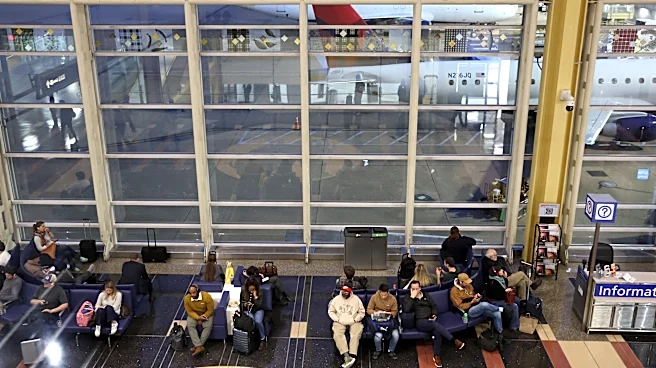
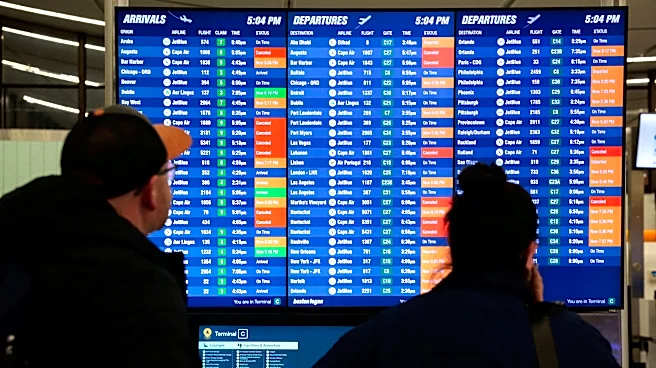
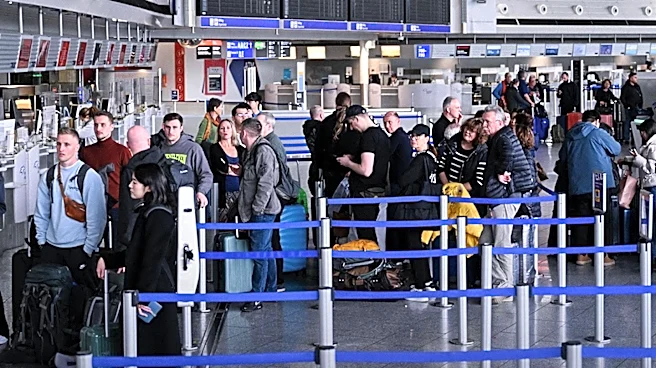
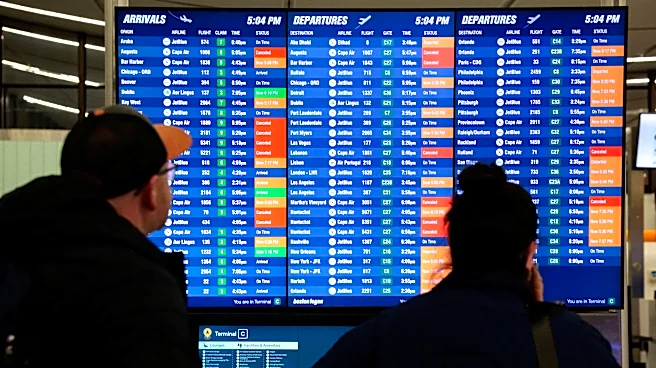
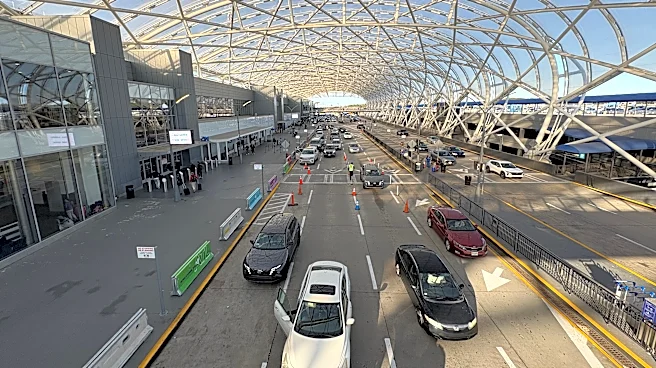
Travelers arriving at Hartsfield-Jackson Atlanta International Airport on Friday encountered significant challenges in securing transportation following a nationwide FAA ground stop that disrupted flights. A severe shortage of rental cars was reported,
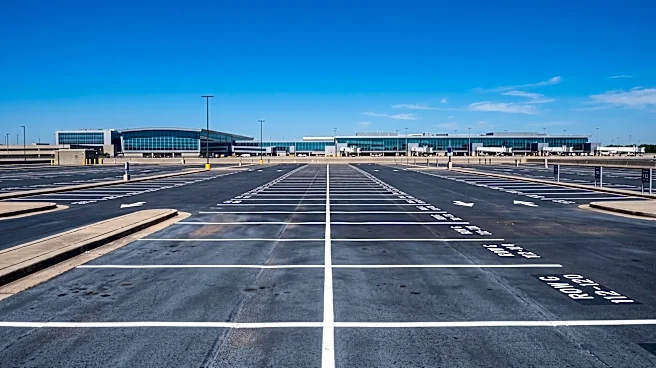
with Channel 2 Action News confirming that none of the eight rental car companies at the airport had vehicles available by late Friday afternoon. This scarcity forced many passengers to seek alternative solutions, including sharing rides with strangers and facing exorbitant rideshare prices. For instance, one group attempting to travel from Atlanta to Tampa received rideshare quotes ranging from $1,300 to $2,700. Some travelers, like Frankie Cistaro, resorted to teaming up with newly met individuals to share rides and costs. Others explored options like the Turo app to find available vehicles. The situation left many travelers uncertain about how they would reach their final destinations, highlighting the widespread impact of the FAA ground stop on ground transportation.
Why It's Important?
This incident underscores the vulnerability of the U.S. travel infrastructure to disruptions, particularly when multiple modes of transportation are affected simultaneously. A nationwide FAA ground stop, while primarily impacting air travel, created a cascading effect on ground transportation, revealing critical bottlenecks in rental car availability and rideshare capacity at major hubs like Atlanta. For U.S. businesses, such disruptions can lead to significant financial losses due as employees face delays or cancellations, impacting meetings, conferences, and project timelines. The surge in rideshare prices also highlights a lack of regulatory oversight or dynamic pricing mechanisms that could mitigate price gouging during emergencies. For the general public, the experience of being stranded with limited and expensive options erodes confidence in travel systems and can cause considerable personal stress and financial burden. This event serves as a critical case study for improving contingency planning and resource allocation in the event of widespread travel interruptions.
What's Next?
In the immediate aftermath of such a widespread travel disruption, authorities and transportation providers will likely review their emergency response protocols. Airlines may face increased pressure to provide more comprehensive ground transportation assistance to stranded passengers. Rental car companies might need to re-evaluate their fleet distribution and surge capacity planning for unexpected events. The incident could also spark discussions about the regulation of rideshare pricing during emergencies to prevent excessive charges. Travelers, in turn, may become more proactive in planning for contingencies, such as researching alternative transportation methods or travel insurance options. The FAA will undoubtedly conduct an internal review of the ground stop itself, but the ripple effects on ground transportation will likely prompt broader industry discussions on resilience and passenger support during large-scale disruptions.
Beyond the Headlines
Beyond the immediate logistical challenges, this event highlights a growing reliance on interconnected transportation systems and the fragility of these networks. The FAA ground stop, a rare occurrence, exposed how a single point of failure in air traffic control can paralyze an entire travel ecosystem. This interconnectedness means that disruptions in one sector quickly spill over into others, creating complex problems that require integrated solutions. The spontaneous cooperation among strangers to share rides and costs, while commendable, also points to systemic gaps in official emergency response mechanisms for ground transportation. This incident could serve as a catalyst for investing in more resilient infrastructure, developing clearer communication protocols between different transportation sectors, and exploring innovative solutions for passenger assistance during large-scale travel crises, ultimately aiming to minimize the economic and social impact of future disruptions.