

What's Happening?
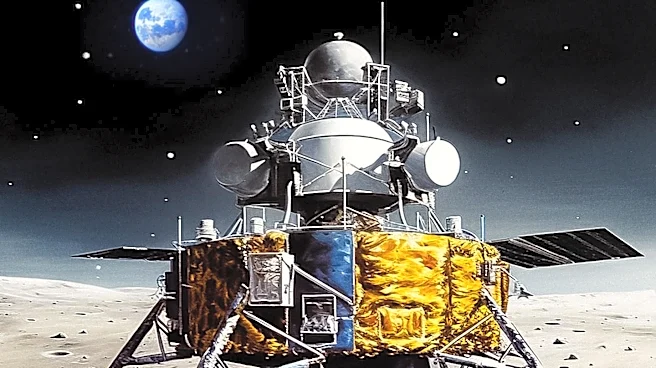
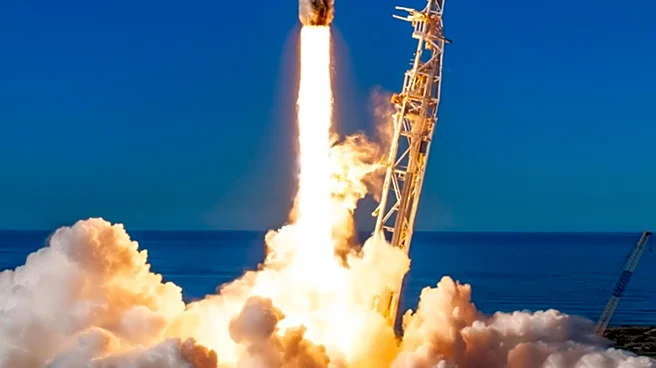
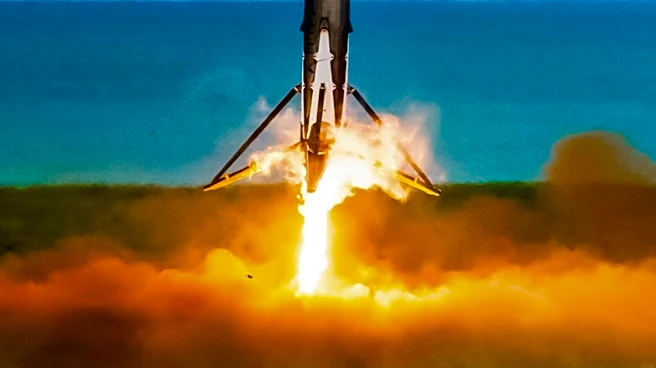
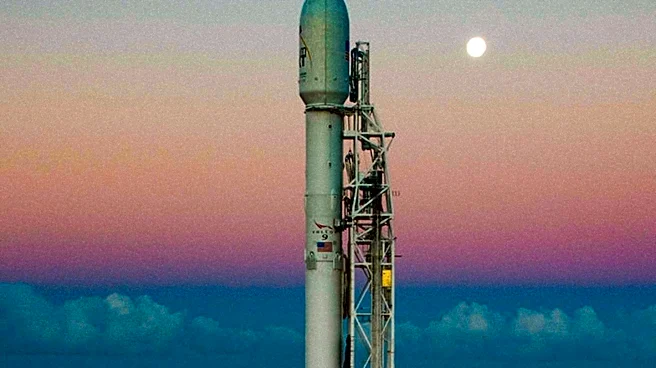
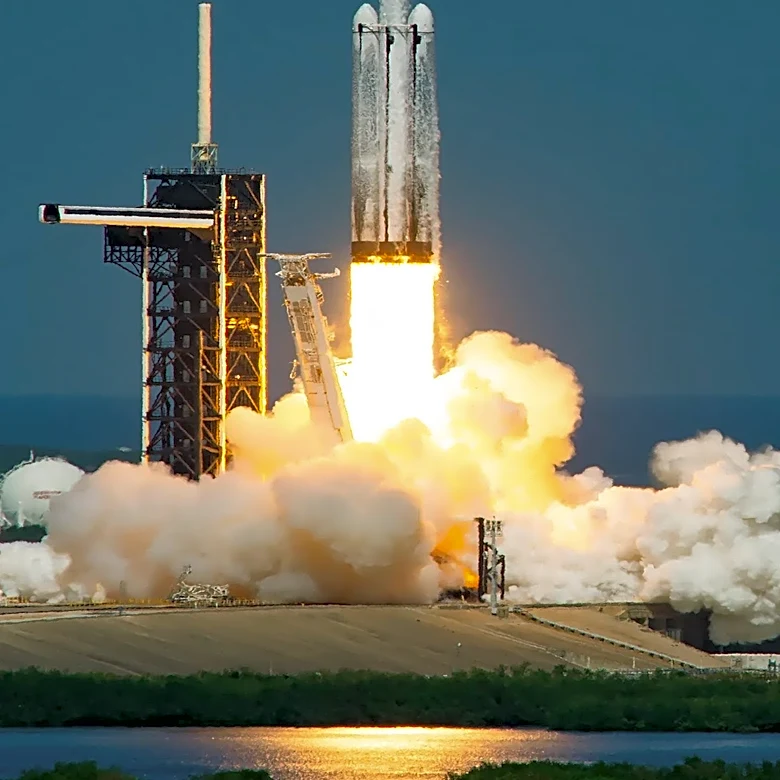
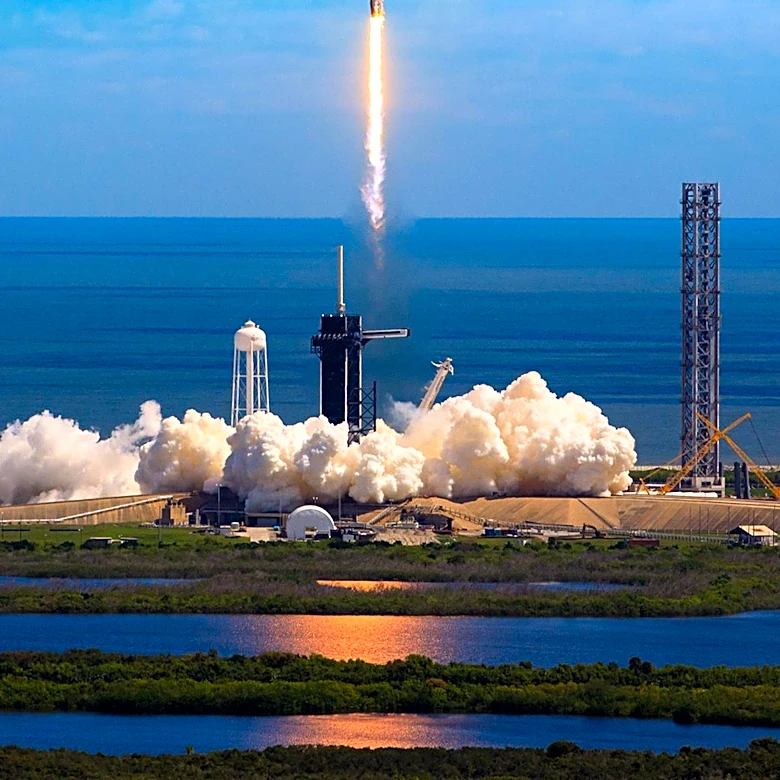
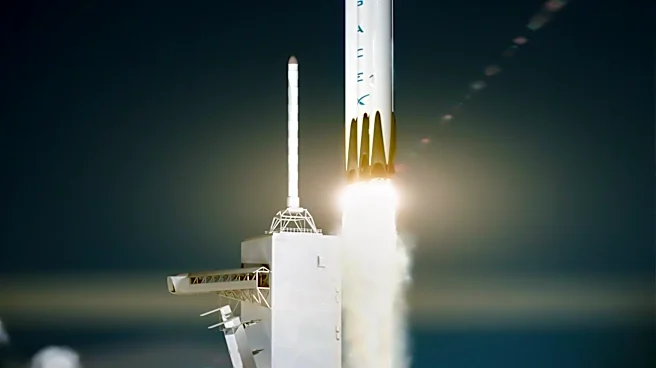
Astronomers are closely observing a SpaceX Falcon 9 rocket stage that is on a collision course with the moon. This rocket, which launched two satellites in January 2025, was left in an unstable orbit due to insufficient fuel to return to Earth or venture
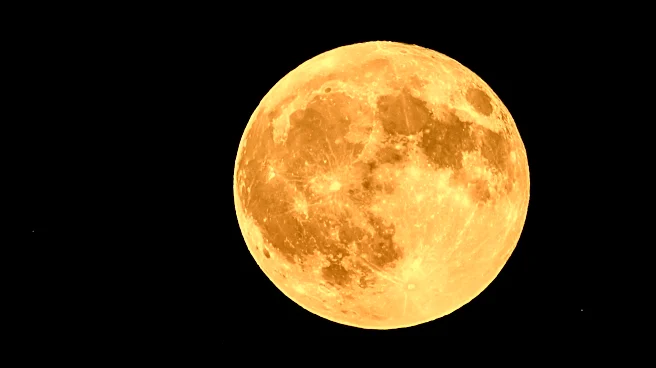
into deep space. The rocket stage is expected to impact the moon near the Einstein Crater on August 5 at 12:05 pm IST. Independent astronomer Bill Gray has been tracking the trajectory and confirmed the collision course by January 2026, after accounting for potential orbital changes over the year.
Why It's Important?
The impending impact of the SpaceX rocket stage on the moon highlights the challenges of space debris management and the potential consequences of leaving spent rocket stages in unstable orbits. This event underscores the need for improved strategies in space mission planning to prevent unintended impacts on celestial bodies. The incident also serves as a reminder of the growing amount of space debris and the importance of international cooperation in space exploration and debris mitigation efforts.
What's Next?
Following the impact, astronomers and space agencies may analyze the collision's effects on the moon's surface, potentially providing insights into lunar geology. The event could also prompt discussions on international policies regarding space debris and the responsibilities of private space companies in managing their missions' environmental impacts. Future missions may incorporate more robust plans for deorbiting or safely disposing of spent rocket stages to prevent similar occurrences.