







What's Happening?
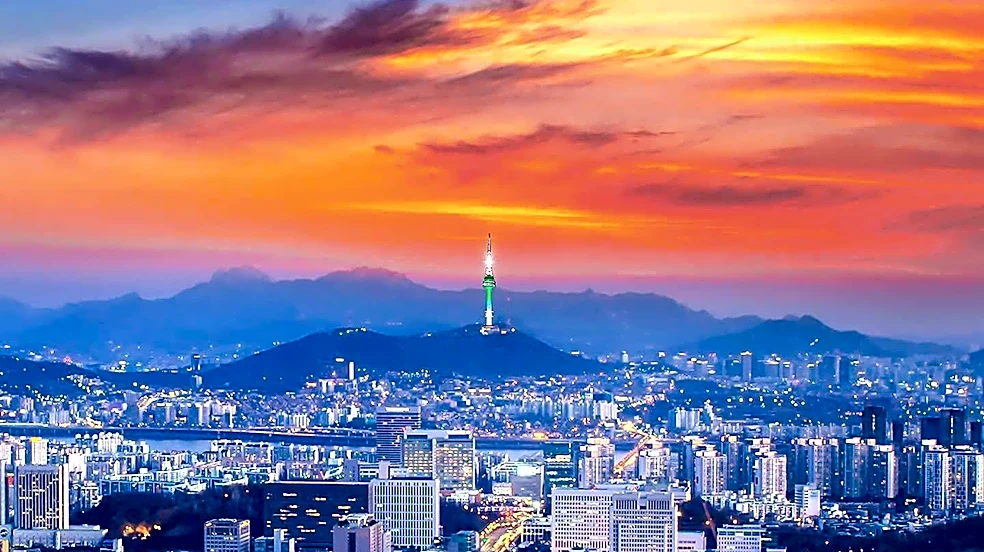
South Korea is embarking on a strategic initiative to develop five major tourism hubs around regional airports to distribute its record-breaking tourism boom beyond the capital city of Seoul. This plan was announced by Daehyun Kim, South Korea’s vice
minister of culture, sports and tourism, at the Global Tourism Economy Forum (GTEF) in Macao. Despite attracting 18.9 million foreign visitors in 2025, surpassing the 2019 peak of 17.5 million, the majority of this tourism is concentrated in Seoul. The new hubs will be established around Gimhae, Daegu, Cheongju, Muan, and Yangyang airports, aiming to allow tourists to travel directly to regional areas without passing through Seoul. The strategy also involves linking the 'K-wave' cultural phenomenon to rural destinations by transforming popular drama and movie filming locations, local festivals, and regional cuisine into unique tourism experiences. Over the past 13 years, this approach has led to the establishment of over 1,400 tourism-related local businesses across 147 regions.
Why It's Important?
This initiative by South Korea represents a significant shift in its national tourism strategy, aiming to decentralize the economic benefits of tourism. By developing regional airport hubs and promoting diverse local attractions, South Korea seeks to ensure that the economic advantages of its tourism boom, particularly from the 'K-wave,' are distributed more broadly across the country. This approach can lead to regional economic development, job creation, and the preservation of local cultures and environments. For the U.S., this strategy offers a case study in how to manage and expand tourism beyond traditional gateway cities. As the U.S. also faces challenges in distributing tourism benefits and managing visitor concentrations, South Korea's efforts to leverage cultural phenomena and improve regional accessibility could provide valuable insights. The success of this model could influence how other nations, including the U.S., plan their tourism infrastructure and marketing to achieve more equitable and sustainable growth.
What's Next?
The development of these five regional airport hubs will involve significant infrastructure investment and coordinated efforts in marketing and tourism product development. South Korea will likely focus on enhancing direct international flight connectivity to these regional airports and creating compelling tourism packages that highlight the unique cultural and natural attractions of each area. The continued integration of the 'K-wave' with regional tourism is expected to attract a diverse range of international visitors. Other Asian countries, such as China, are also pursuing similar strategies of promoting secondary cities as tourism destinations, indicating a broader regional trend. The U.S. and other nations will be observing the outcomes of these initiatives to understand their effectiveness in diversifying tourism flows and fostering regional economic growth. This could lead to increased competition for international tourists as more destinations globally enhance their regional offerings.
Beyond the Headlines
The South Korean initiative reflects a deeper understanding of sustainable tourism development, moving beyond mere visitor numbers to focus on the quality of experience and the equitable distribution of economic benefits. By intentionally linking the 'K-wave' to rural destinations, South Korea is leveraging its soft power to create authentic and immersive cultural experiences, which can foster a deeper connection between tourists and local communities. This strategy also addresses potential issues of over-tourism in capital cities by redirecting visitors to less-explored regions, thereby preserving the integrity of popular sites and enhancing the overall visitor experience. The long-term implications include a more robust and diversified tourism economy, reduced environmental impact in concentrated areas, and increased cultural exchange. This approach could inspire a re-evaluation of tourism development models in the U.S., encouraging a focus on regional assets and cultural narratives to create more sustainable and enriching travel experiences.