
What's Happening?
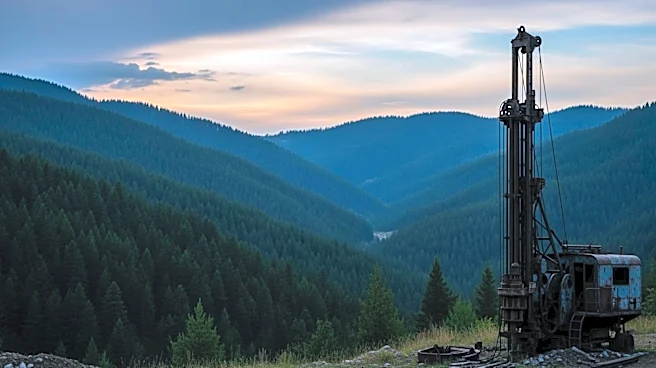
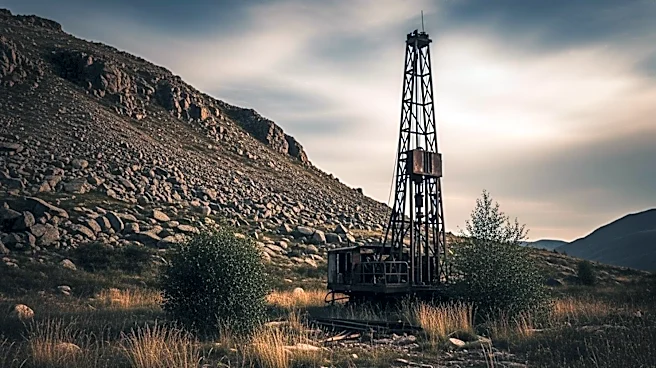
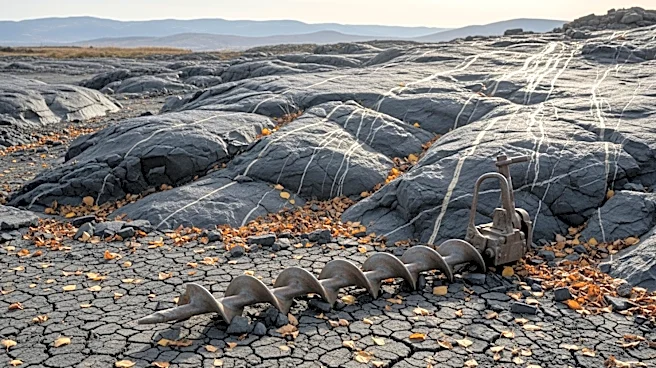
A mining company based in Rapid City, Pete Lien & Sons, has decided to cancel its graphite drilling project in the Black Hills of South Dakota. This decision follows significant opposition from Native
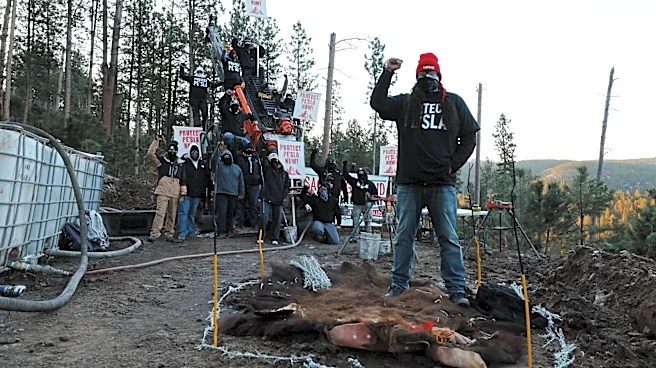
American tribes and a temporary restraining order that halted the project. The opposition was primarily due to the project's proximity to Pe'Sla, a sacred site for Sioux tribes, which is used for ceremonies and buffalo grazing. The tribes, along with environmental groups, filed lawsuits against the U.S. Forest Service, alleging violations of the National Historical Preservation Act and the National Environmental Protection Act. They argued that the Forest Service improperly granted permits without conducting an environmental review. The Black Hills, a region with historical significance and ongoing disputes over land rights, has been a focal point of tension between mining interests and tribal claims.
Why It's Important?
The cancellation of the graphite drilling project highlights the ongoing conflict between industrial development and indigenous land rights in the United States. The Black Hills are considered unceded territory by the Sioux tribes, based on the 1868 Treaty of Fort Laramie, which the U.S. government later violated. This case underscores the importance of respecting tribal sovereignty and environmental laws, as well as the power of collective action by indigenous and environmental groups. The decision may set a precedent for future land defense efforts, emphasizing the need for thorough environmental assessments and respect for sacred sites. It also reflects broader societal shifts towards recognizing and addressing historical injustices faced by Native American communities.
What's Next?
While Pete Lien & Sons has withdrawn its current plan, the broader issue of land rights in the Black Hills remains unresolved. The Sioux tribes continue to assert their claim to the land, rejecting compensation offered by the U.S. government. This ongoing dispute may lead to further legal and political actions as tribes seek to protect their cultural heritage and natural resources. Additionally, the case may influence future regulatory practices, prompting more rigorous environmental reviews and consultations with indigenous groups before approving similar projects. Stakeholders, including government agencies and mining companies, may need to engage in more meaningful dialogue with tribal leaders to find mutually acceptable solutions.
Beyond the Headlines
The situation in the Black Hills reflects deeper cultural and ethical considerations regarding the treatment of indigenous peoples and their lands. It raises questions about the balance between economic development and the preservation of cultural and environmental heritage. The case also highlights the role of advocacy groups in amplifying indigenous voices and challenging governmental decisions that may overlook historical and cultural contexts. As awareness of these issues grows, there may be increased pressure on policymakers to address historical grievances and ensure that development projects do not infringe on indigenous rights.