






What's Happening?
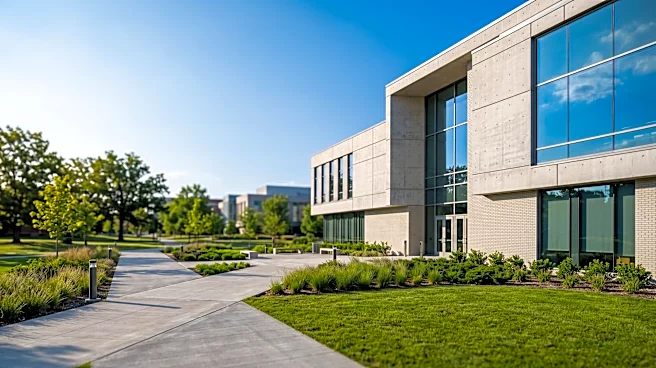
The North Chatham Free Library in upstate New York has gained significant attention for its upcoming 'Bye Bye AI' event, designed to help patrons remove artificial intelligence features from their phones and laptops. The initiative was spearheaded by
Shea Wert, the library's sole full-time librarian, in response to community demand and concerns about AI. The event flyer went viral on Facebook, attracting widespread interest from individuals far beyond the small hamlet. This 'Bye Bye AI' class follows a previous 'AI for seniors' class that covered basic AI concepts. The library also offers weekly tech support drop-in hours. The concept for the 'Bye Bye AI' class was inspired by another librarian, Hannah Cyrus, who has successfully offered similar classes and published on the role of libraries in facilitating technology rejection. Wert noted that many patrons, particularly older adults, express frustration with new AI features automatically integrated into services they already use, such as Gmail's auto-replies and auto-completes.
Why It's Important?
This initiative highlights a growing public sentiment regarding the pervasive integration of AI into everyday technology and the desire for greater user control. The viral response to a small-town library's offering indicates a broader, unaddressed need for digital literacy that extends beyond simply adopting new technologies to understanding how to manage or opt-out of them. For the U.S. technology industry, this suggests a potential backlash or at least a demand for more transparent and user-configurable AI features. Companies developing AI-powered tools might need to consider user preferences for control and privacy more carefully, as a segment of the population actively seeks to disengage from these features. The library's role in this context expands beyond traditional information access to include digital empowerment and consumer advocacy, potentially influencing how other community institutions approach technology education.
What's Next?
The 'Bye Bye AI' event is scheduled to take place soon, and its success or challenges will likely be closely watched by other libraries and community organizations. Given the viral reaction, the North Chatham Free Library may face a larger turnout than anticipated, potentially leading to discussions about scaling such initiatives or providing resources for other libraries to replicate the program. The experience could also inform future library programming, potentially leading to more classes focused on digital privacy, data control, and critical engagement with technology. Furthermore, the widespread interest might prompt technology companies to re-evaluate their default AI settings and offer more explicit options for users to disable or customize AI features, especially those that are perceived as intrusive or frustrating. The ongoing dialogue between users and technology providers regarding AI integration is expected to evolve, with community-led initiatives like this playing a role in shaping public discourse.
Beyond the Headlines
The 'Bye Bye AI' movement, as exemplified by this library initiative, touches upon deeper ethical and cultural dimensions of technology adoption. It underscores a growing tension between technological advancement and individual autonomy, particularly concerning the subtle and often automatic integration of AI into daily digital interactions. The preference for a 'dumbphone' by librarian Shea Wert, while she also uses AI for work, illustrates a nuanced perspective on technology: not outright rejection, but a conscious choice about its role in personal life. This movement could signal a broader cultural shift towards digital minimalism or a more critical approach to technology consumption, where users actively seek to curate their digital environments rather than passively accept default settings. It also raises questions about digital equity and access, as those less tech-savvy, often older adults, are disproportionately affected by unwanted AI features and rely on community resources for assistance. The role of public libraries as trusted, neutral spaces for navigating complex technological landscapes is reinforced by such initiatives.