


What's Happening?
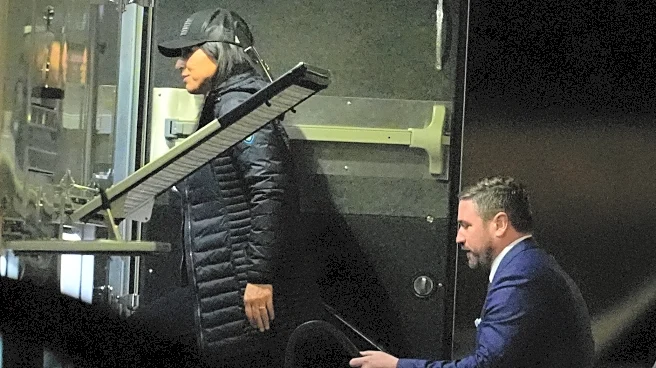
Karen Bennett, a former member of the Georgia House of Representatives, has pleaded guilty to making false statements to collect federal unemployment benefits during the COVID-19 pandemic. Bennett, who resigned from her position shortly before being charged,
admitted to falsely claiming $13,940 in unemployment benefits. Her plea was anticipated following her waiver of indictment earlier this month. Bennett, who has served since 2012, was also found to have failed to disclose additional income from her role as a minister in the African Methodist Episcopal Church. The federal government had provided special unemployment benefits during the pandemic to individuals who lost their jobs due to COVID-19, requiring weekly certification of unemployment status. Bennett's sentencing is scheduled for April 15, and her lawyers have indicated she will repay the amount collected. Prosecutors have agreed not to seek prison time or supervised release.
Why It's Important?
This case highlights the broader issue of fraud in the distribution of pandemic-related unemployment benefits, which were designed to support those genuinely affected by job losses during the COVID-19 crisis. Bennett's actions undermine public trust in government officials and the integrity of public assistance programs. The case also underscores the challenges faced by authorities in ensuring that emergency funds reach those in need without being exploited. The incident may prompt stricter oversight and reforms in the administration of such benefits to prevent future abuses. Additionally, it raises questions about the ethical responsibilities of public officials and the consequences of their actions on public perception and policy.
What's Next?
A special election has been called by Governor Brian Kemp to fill Bennett's vacated seat in House District 94, with the election set for March 10. If no candidate secures a majority, a runoff will occur on April 7. The outcome of this election could influence the political landscape in the district and potentially impact legislative priorities. Meanwhile, another Democratic House member, Sharon Henderson, faces similar charges, and a review commission is expected to advise on her suspension pending trial. These developments may lead to increased scrutiny of elected officials and their conduct, potentially affecting future elections and legislative sessions.