
What's Happening?
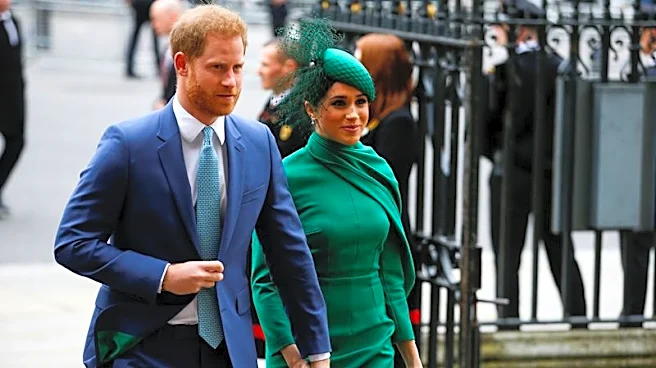
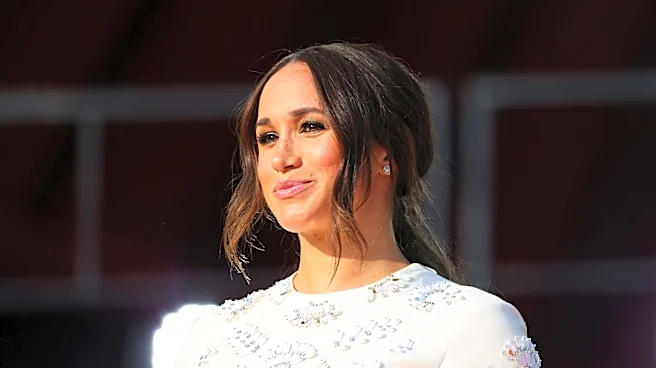
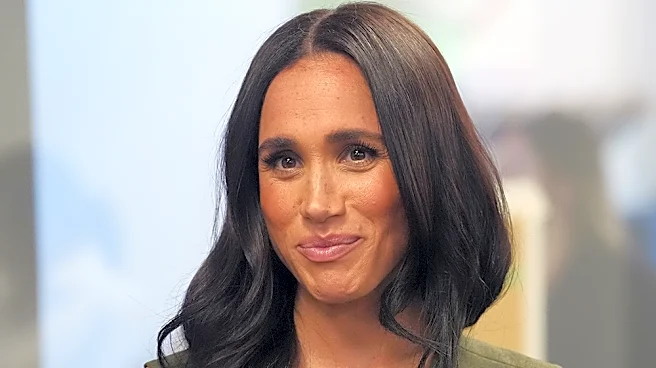
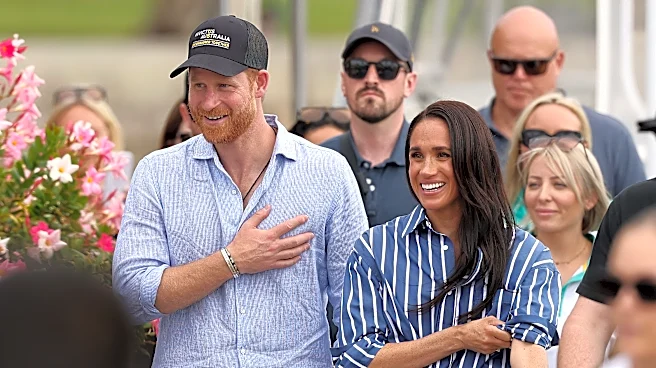
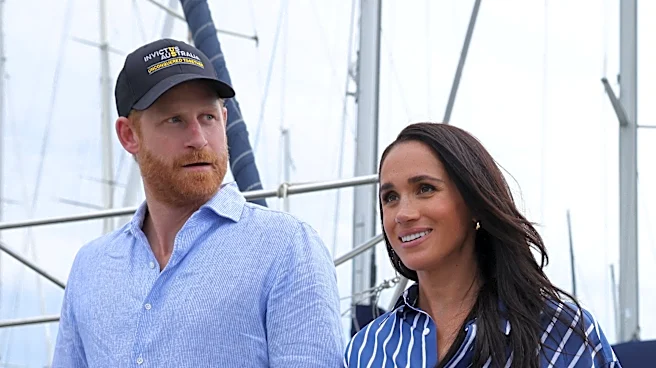
Several allies of President Trump have publicly mocked Prince Harry and Meghan Markle on social media following reports that the couple is returning to the United Kingdom. The Duke and Duchess of Sussex's
decision to move back to the UK, six years after relocating to the U.S., is reportedly influenced by their 'disillusionment with the current White House,' as stated by People magazine. The Sun reported that Prince Harry, 41, and Meghan Markle, 45, along with their children Archie, seven, and Lilibet, five, will return to Britain for an 'extended period of time' as their children are enrolled in a British school. Katie Miller, wife of White House deputy chief of staff Stephen Miller, commented on X, linking to the People article and stating, 'They are moving back to Britain because they don’t like President Trump.' Miller also made unsubstantiated claims that Meghan 'always just wanted to be a celebrity' and that the couple was 'broke.' Conservative personality Megyn Kelly also weighed in, responding to a post about 'Megxit' being 'reversed' by saying, 'We’ve done our time here in America my dear friend!' Despite the speculation, other reports suggest the couple's return is primarily to be closer to Harry's family, particularly his father, King Charles.
Why It's Important?
This situation highlights the ongoing political polarization in the U.S. and how it can intersect with public figures, even those from outside American politics. The comments from President Trump's allies, particularly those from individuals with close ties to the White House like Katie Miller, reflect a broader narrative often used to criticize those perceived as opposing the current administration. The mocking tone and unsubstantiated claims, such as Meghan Markle's alleged desire for celebrity status or the couple being 'broke,' contribute to a charged political discourse. This event also underscores the scrutiny faced by public figures, where personal decisions are often interpreted through a political lens, especially when linked to perceived political affiliations. The involvement of prominent conservative media personalities like Megyn Kelly further amplifies these narratives within specific political echo chambers, potentially influencing public opinion among their followers regarding both the royal couple and the political landscape.
What's Next?
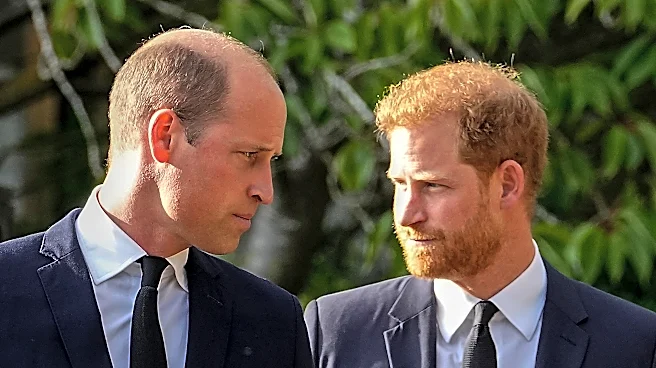
The Duke and Duchess of Sussex are expected to return to Britain later this month. While their exact residence and their children's school remain undisclosed for privacy reasons, it has been reported that they will not be moving into a royal residence. King Charles has reportedly been informed of their intentions and is said to 'welcome' the prospect of spending more time with his son and grandchildren on a private and personal basis, especially as he undergoes cancer treatment. However, the King has also reportedly made it clear that there will be 'no alteration' to Harry and Meghan’s position or status as private individuals and non-working members of the royal family. This suggests that while family ties may be strengthened, their official roles within the monarchy will not change. The public and media will likely continue to monitor their return and any further comments from political figures or media personalities regarding their move.
Beyond the Headlines
The narrative surrounding Prince Harry and Meghan Markle's reported return to the UK, particularly the comments from President Trump's allies, reveals deeper cultural and political undercurrents. The swift and often critical reactions from certain political factions in the U.S. to the couple's perceived 'disillusionment' with the White House illustrate how public figures, regardless of their nationality, can become symbols in America's polarized political landscape. The use of social media by political figures to disseminate opinions and criticisms, sometimes without evidence, highlights the challenges of distinguishing fact from speculation in the digital age. Furthermore, the ongoing scrutiny of the couple's personal and financial lives, as seen in claims about Meghan's motivations or their financial status, reflects a broader societal tendency to scrutinize and judge public figures, often through a lens colored by political leanings or cultural biases. This incident also touches upon the complex relationship between celebrity, media, and politics, where personal choices can be weaponized in broader ideological battles.