




What's Happening?
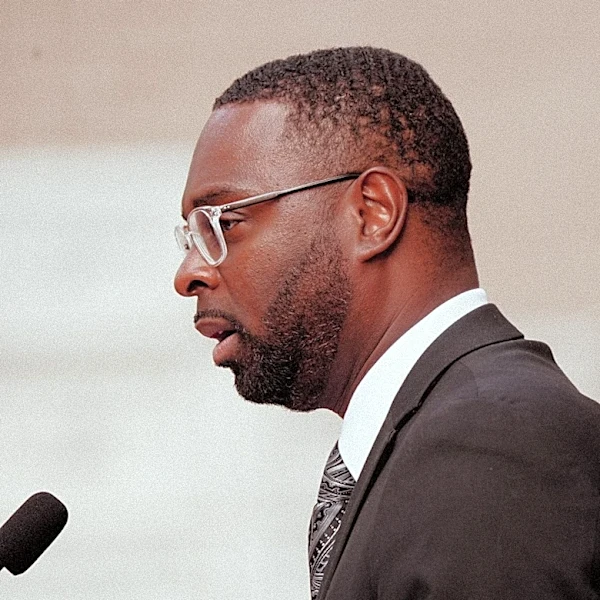
Nic Anderson, Vice President of Public Policy at the National Religious Broadcasters (NRB), has been a key advocate for the AM Radio for Every Vehicle Act (H.R. 979), which is scheduled for a vote in the House of Representatives during the week of September
14. This legislation aims to mandate that new passenger vehicles include access to AM broadcasting at no additional cost to consumers and ensure AM radio remains easily accessible on vehicle dashboards. The NRB, along with other partners, has been pushing for this bill for over three years, following decisions by several automakers to remove AM receivers from new vehicles, particularly electric models. Anderson emphasizes that this is not just an AM radio issue but a broader concern for free, local, over-the-air broadcasting, highlighting its importance for Christian communicators, emergency warnings, and life-saving information during power outages or natural disasters. The bill has garnered significant bipartisan support, with 317 House cosponsors and 61 Senate cosponsors.
Why It's Important?
The potential passage of the AM Radio for Every Vehicle Act carries significant implications for public safety, media accessibility, and the future of traditional broadcasting in the U.S. AM radio has historically served as a crucial communication channel during emergencies when cellular networks and power grids fail, providing essential information and warnings to the public. Its removal from new vehicles could jeopardize this vital public safety function, especially in rural areas or during widespread disasters. For religious broadcasters, as highlighted by Nic Anderson, AM radio is a primary means of disseminating their message, offering spiritual guidance and community support. Furthermore, the debate over AM radio's inclusion in vehicles reflects a larger trend of traditional broadcast media competing with subscription-based streaming services for dashboard space. If automakers can remove AM radio due to cost or convenience, it sets a precedent that could eventually impact FM radio and other free broadcast signals, potentially limiting consumer choice and access to diverse content.
What's Next?
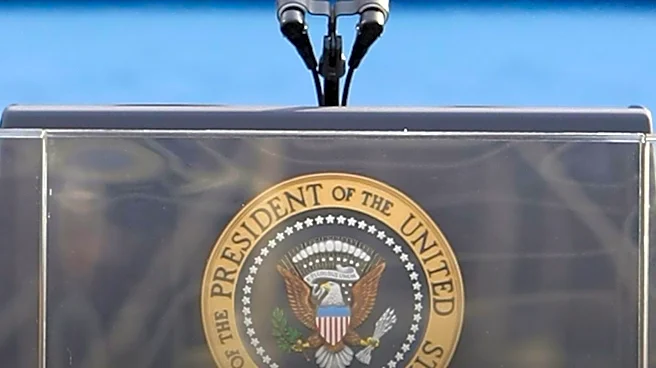
The House of Representatives is expected to consider H.R. 979 under suspension of the rules, a procedure typically used for legislation with broad bipartisan support, requiring a two-thirds majority for passage. If the House passes the bill, it will then move to the Senate. While House passage would be a significant milestone, the Senate must pass identical legislative text for the bill to reach the president's desk. Senate leaders have several options, including taking up the House-passed bill directly, moving their own companion bill, or finding another legislative vehicle. There is optimism that a strong House vote will create momentum for Senate action. President Trump has previously expressed support for the bill and is reportedly prepared to sign it into law. The timeline for Senate action is tight, given the upcoming midterm elections, but advocates are pushing for a vote before the lame-duck session.
Beyond the Headlines
The discussion surrounding the AM Radio Act extends beyond mere technological preference, touching upon fundamental questions of public service, media diversity, and the role of government in regulating consumer access to information. The argument that AM radio is a 'legacy feature' overlooks its enduring utility as a resilient communication tool in crisis situations, a role that modern, internet-dependent technologies cannot always fulfill. The push to retain AM radio in vehicles also highlights the ongoing tension between technological advancement and the preservation of established infrastructure that serves critical societal functions. Moreover, the strong advocacy from religious broadcasters underscores the cultural and community significance of AM radio, particularly for niche audiences who rely on it for specific content. The outcome of this legislative effort could set a precedent for how future technological shifts are managed in relation to public interest and the accessibility of diverse media platforms.