


What's Happening?
The transition from conventional fossil-fuel-based energy systems to renewable, decentralized, and low-carbon alternatives in the U.S. requires significant institutional change, according to a detailed analysis. This transformation extends beyond mere
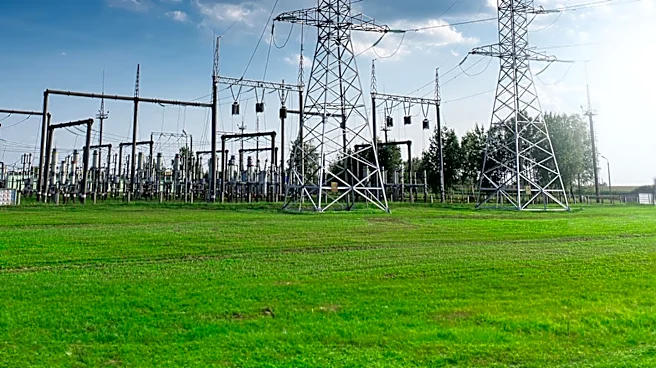
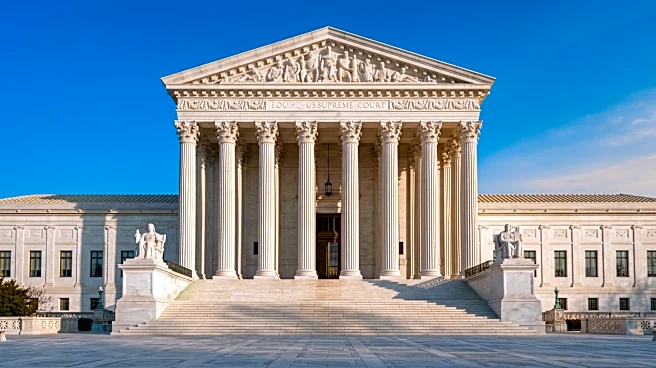
technological substitution, demanding a re-evaluation and restructuring of laws, regulatory bodies, administrative structures, market institutions, and decision-making processes. Historically, electricity regulators focused on tariffs, licensing, and service standards for centralized generation. However, the rise of renewable energy, battery storage, distributed generation, and smart grids necessitates new regulatory and governance arrangements. This includes addressing issues like grid access, network regulation, renewable energy procurement, and the protection of consumers and affected communities. The shift also introduces new challenges related to the variability of renewable generation, requiring institutions to develop rules for balancing, forecasting, storage, and demand response. The U.S. Supreme Court cases, such as *Massachusetts v. Environmental Protection Agency* (2007) and *West Virginia v. Environmental Protection Agency* (2022), highlight the ongoing legal and institutional debates surrounding the application of existing environmental laws to emerging climate problems and the scope of administrative authority in this evolving landscape.
Why It's Important?
This institutional transformation is crucial for the successful and equitable implementation of clean energy policies across the U.S. The existing regulatory frameworks, largely designed for centralized, fossil-fuel-based systems, are often ill-equipped to handle the complexities of a decentralized, renewable energy future. Without adapting these institutions, the U.S. risks hindering the deployment of essential clean energy technologies, creating market inefficiencies, and failing to meet climate obligations. The shift impacts various stakeholders: traditional utilities face restructuring of governance and financial models, while new market participants like prosumers and aggregators require legal recognition and integration. Furthermore, the transition has significant social implications, particularly for communities dependent on fossil fuel industries, necessitating mechanisms for a 'just transition' that includes worker retraining and regional development. The legal battles surrounding environmental regulations, as seen in Supreme Court decisions, underscore the profound impact on public policy and the balance of power between administrative agencies and the judiciary in shaping the nation's energy future.
What's Next?
The ongoing energy transition will likely lead to continued evolution in U.S. energy law and policy. This will involve the creation and restructuring of energy regulators to address new challenges such as renewable energy integration, electricity market reform, and the regulation of storage and electric vehicles. There will be a continuous need to balance regulatory independence with accountability, ensuring transparency and public participation in decision-making processes. Furthermore, the legal system will need to adapt to new economic relationships between generators, consumers, utilities, and investors, potentially leading to new market designs that reward flexibility, capacity, and ancillary services. The role of courts will remain critical in clarifying legal boundaries and interpreting existing statutes in the context of emerging climate and energy challenges. The U.S. will also need to address institutional path dependency, where existing structures and interests may resist changes that reduce their authority or economic viability, requiring deliberate institutional adaptation and coordination among various regulatory bodies and governmental entities.
Beyond the Headlines
The institutional changes driven by the energy transition extend beyond mere regulatory adjustments, touching upon fundamental ethical, legal, and cultural dimensions. The concept of 'energy justice' becomes paramount, addressing who benefits from clean energy, subsidies, and infrastructure, and whose interests and vulnerabilities are recognized in decision-making processes. This involves ensuring distributive justice, procedural justice, and recognition for all communities, particularly those historically marginalized or disproportionately affected by environmental burdens. The increasing digitalization of the energy grid introduces new institutional questions concerning data ownership, cybersecurity, privacy, and algorithmic decision-making, requiring regulators to develop technical and institutional capabilities beyond traditional tariff regulation. The challenge lies in transforming institutions designed for a centralized, predictable energy system into flexible, adaptive entities capable of managing a complex, decentralized, and dynamic energy landscape, all while upholding public interest, environmental protection, and social equity. The ongoing legal interpretations by the Supreme Court regarding environmental regulations highlight the deep-seated constitutional questions about delegated legislative power and administrative authority in shaping the nation's response to climate change.