
What's Happening?
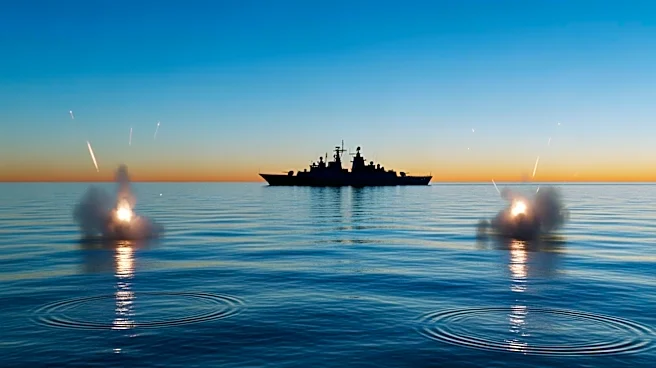
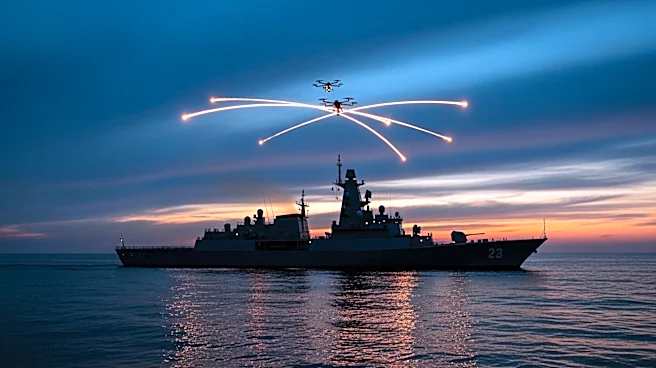
Iran's navy has claimed it fired warning missiles and drones at US warships in the Gulf of Oman, accusing the US Navy of harassing maritime traffic and seizing vessels. However, the United States Central
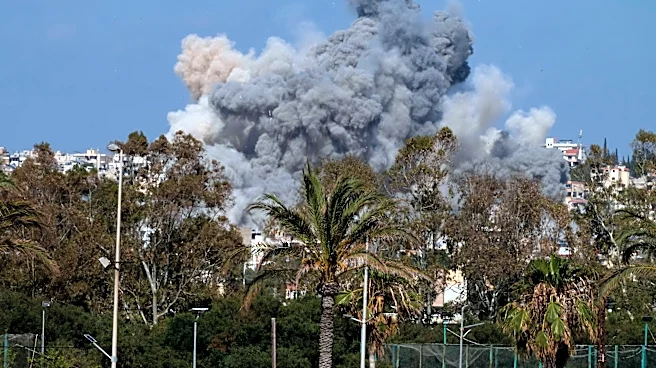
Command (CENTCOM) denied these claims, stating that no attacks occurred and emphasizing that US forces continue to operate freely in the region. This exchange occurs amid heightened tensions over maritime security, with the US enforcing sanctions on Iranian oil shipments and Iran threatening shipping routes. The US has also conducted strikes on Iranian targets in response to perceived threats.
Why It's Important?
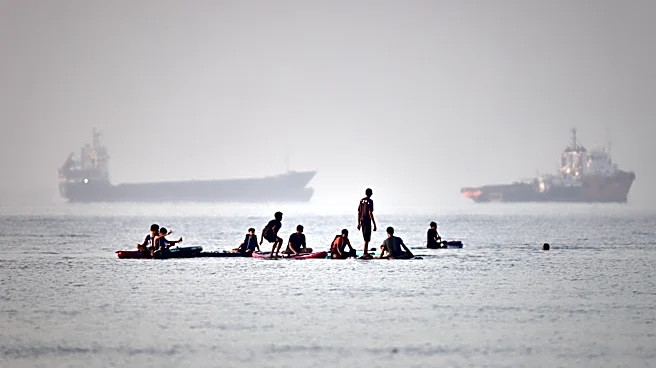
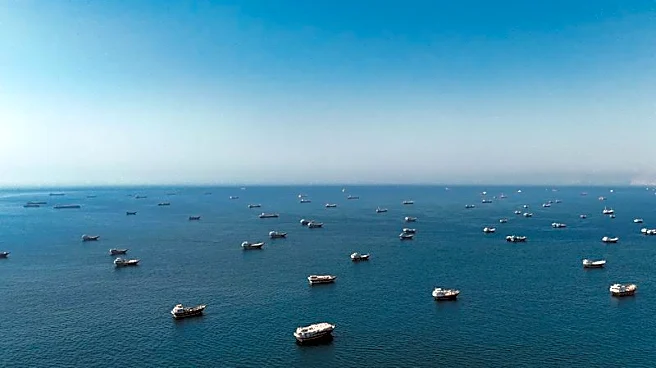
The Gulf of Oman and the Strait of Hormuz are critical maritime routes for global oil transportation. Any conflict in this region can have significant implications for global energy markets and international relations. The US and Iran's ongoing tensions could lead to disruptions in oil supply, affecting global prices and economic stability. The situation also highlights the challenges of enforcing international sanctions and maintaining maritime security in a volatile region. The potential for miscommunication or accidental engagements increases the risk of escalation.
What's Next?
The US and Iran are likely to continue their military posturing in the region, with both sides seeking to assert control over strategic maritime routes. Diplomatic efforts may be necessary to de-escalate tensions and prevent further incidents. The international community, particularly countries reliant on Gulf oil, will be closely monitoring developments. The US's continued enforcement of sanctions and Iran's responses will shape the future of regional security and economic stability.