






What's Happening?
The U.S. Department of Agriculture (USDA) has confirmed the first detection of the flesh-eating parasite, New World screwworm, in U.S. wildlife. The initial case was identified in an elk in Pecos County, Texas, which was reported after being harvested
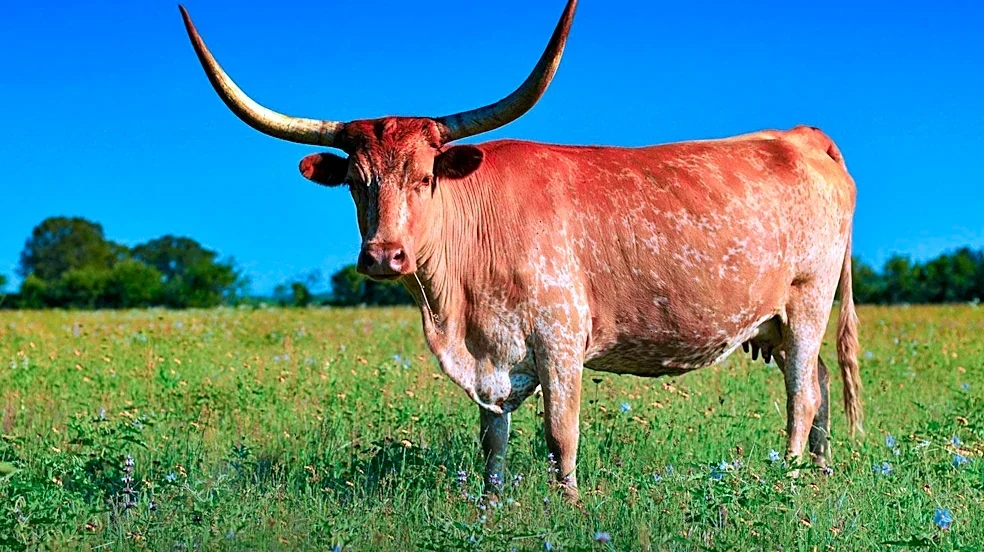
by a hunter. Separately, authorities in New Mexico confirmed a case in a beef cow in Otero County. In response, the Texas Animal Health Commission will modify an existing infested zone, and the USDA, along with the Texas Parks and Wildlife Department, is increasing wildlife surveillance in the affected area. New Mexico authorities have established a minimum 12.4-mile (20 km) radius infested zone around the affected animal's location, requiring inspection and treatment of animals before movement within or out of the area. This parasite was previously eradicated from the U.S. decades ago but has been moving north from Central America through Mexico.
Why It's Important?
The re-emergence of the New World screwworm in U.S. wildlife and livestock poses a significant threat to the nation's agricultural economy and natural ecosystems. The parasite's ability to infest open wounds in warm-blooded animals can lead to severe health issues, including death, if left untreated. The U.S. had previously banned Mexican cattle imports for over a year to prevent the screwworm's entry, a measure that tightened U.S. cattle supplies and contributed to record-high beef prices for American consumers. While trade resumed in August at an Arizona port as part of a phased reopening, these new detections could jeopardize the stability of livestock trade and potentially lead to further restrictions. The economic impact could be substantial, affecting ranchers, meat producers, and ultimately, consumer prices for beef.
What's Next?
Federal and state officials are expanding surveillance and fly-trapping efforts around the affected locations in Texas and New Mexico to identify additional cases and determine the extent of the parasite's spread. The established infested zones will require strict adherence to inspection and treatment protocols for animals. Future actions may include further restrictions on animal movement, increased biosecurity measures, and potential re-evaluation of import policies, particularly concerning livestock from regions where the screwworm is endemic. The USDA and state agricultural departments will likely continue to collaborate on eradication strategies to prevent the widespread establishment of the parasite, which could involve extensive monitoring and control programs.