




What's Happening?
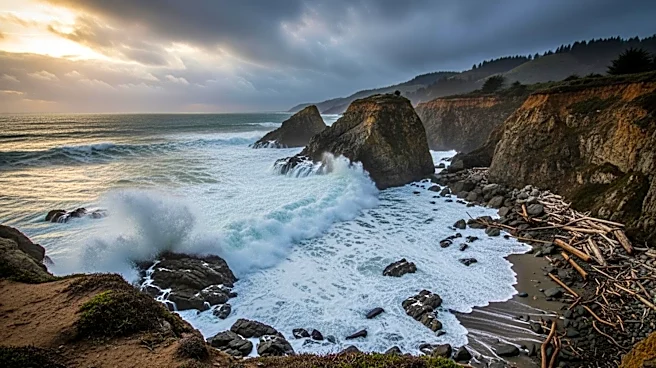
A historic El Niño is causing significant damage along the California coast, particularly affecting the Pacifica Pier, which has been deemed unsafe due to severe cracking from decades of wave action. U.S. Rep. Sam Liccardo has called for the federal government
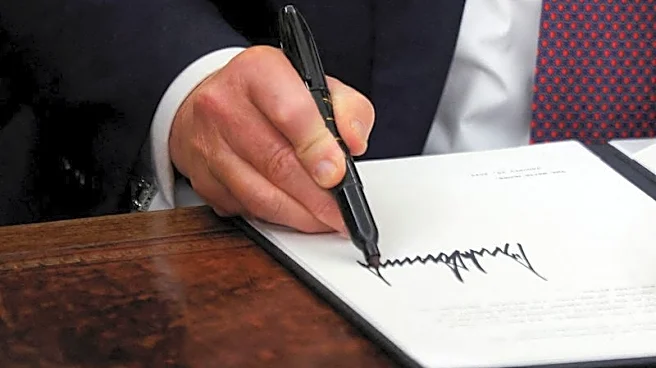
to release $50 million in climate resilience funding that was promised by the Biden administration but later terminated by the Trump administration in 2025. The city of Pacifica, which has been on the shortlist for the Building Resilient Infrastructure and Communities program, is seeking additional funds to protect coastal bluffs and repair the pier. Local politicians and community members are urging state and federal governments to provide the necessary financial and regulatory support to combat the ongoing coastal emergencies exacerbated by climate change.
Why It's Important?
The situation highlights the increasing vulnerability of coastal infrastructure to climate change-induced phenomena like El Niño, which brings larger waves, elevated sea levels, and powerful storms. The damage to the Pacifica Pier and other coastal structures underscores the urgent need for investment in climate resilience to protect public infrastructure and communities. The lack of funding and support could lead to significant economic and social impacts, as coastal areas are vital for tourism, recreation, and local economies. The ongoing challenges also raise questions about the sustainability of current infrastructure and the need for strategic planning to address future climate risks.
What's Next?
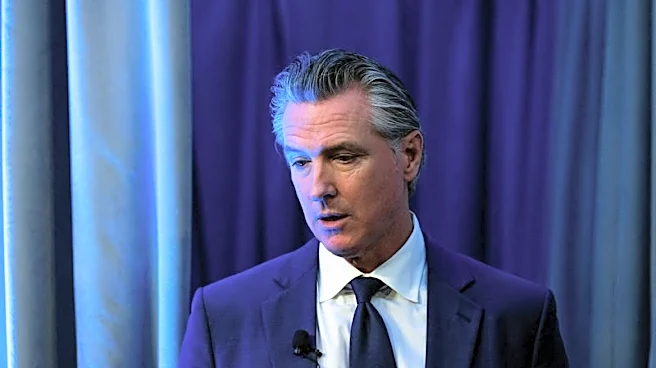
Local leaders are advocating for immediate action, including a state of emergency declaration by Governor Gavin Newsom, to expedite funding and repairs. The federal government’s response to these calls will be crucial in determining the future of coastal resilience efforts in California. Additionally, the situation may prompt broader discussions on national climate policy and infrastructure investment, as other regions face similar challenges. The outcome of these efforts could set a precedent for how the U.S. addresses climate-related infrastructure vulnerabilities in the coming years.
Beyond the Headlines
The ongoing damage and funding challenges highlight the ethical and policy dilemmas of deciding which infrastructure to protect and which to abandon. As climate change continues to intensify, communities will need to balance the costs and benefits of maintaining vulnerable structures. This situation also emphasizes the importance of distinguishing between public and private benefits in infrastructure investments, as public piers provide essential access and recreational opportunities for diverse communities.