





What's Happening?
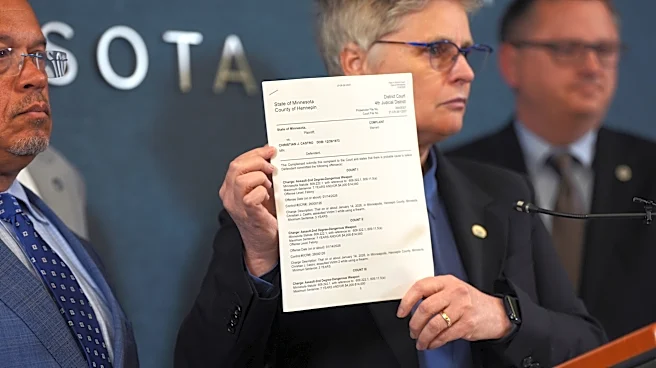
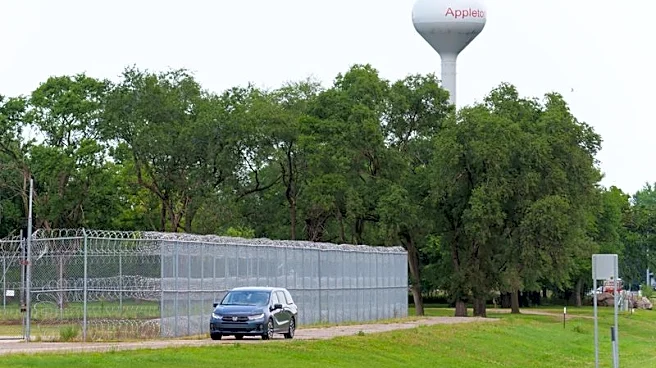
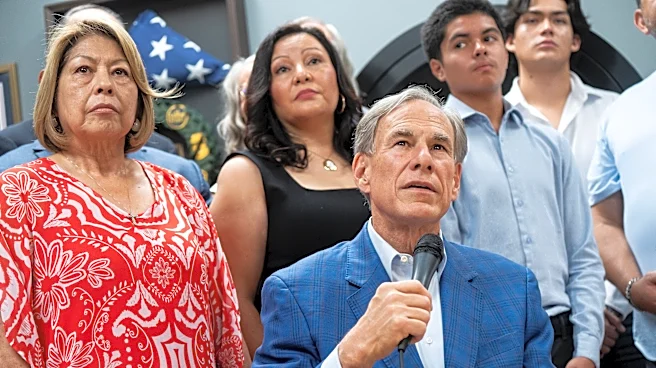
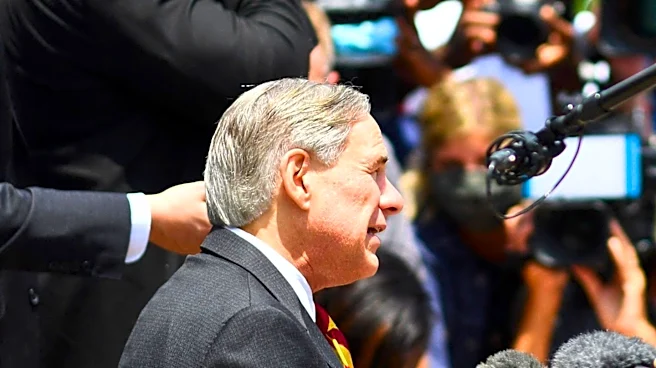
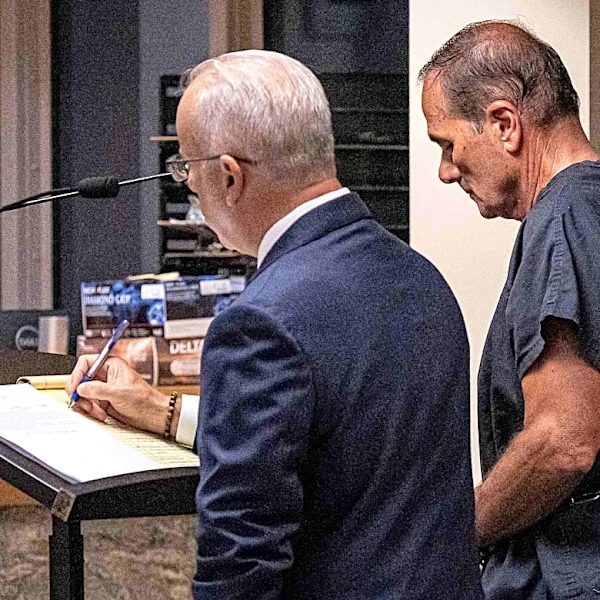
Texas Governor Greg Abbott has refused to sign an extradition warrant for Christian Castro, an Immigration and Customs Enforcement (ICE) officer, sought by Minnesota authorities. Castro was released from a detention center in Brownsville, Texas, despite
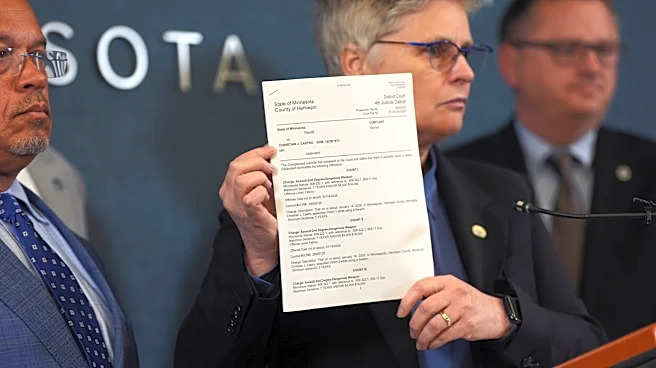
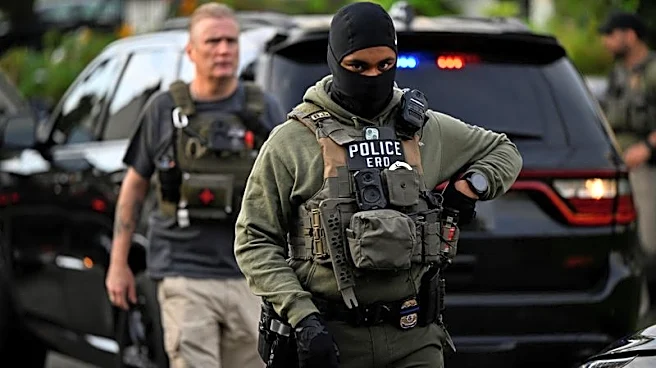
Minnesota's request for his return to face charges of assault and falsely reporting a crime. Minnesota officials allege Castro shot a man and lied about it during a January immigration crackdown in Minneapolis. A federal judge also declined to block Castro's release or compel Governor Abbott to sign the warrant. This decision by Governor Abbott introduces a political dimension into the routine extradition process, which typically sees thousands of fugitives transferred between states without issue. The standoff highlights a growing tension between states, particularly as they diverge on various legal and social issues.
Why It's Important?
This incident is significant because it challenges the established legal framework of interstate extradition in the U.S. Under federal law, states generally have limited discretion to reject extradition requests from other states. Governor Abbott's refusal, citing an ongoing investigation into fraud in Minnesota's social service programs, injects politics into a process traditionally governed by legal precedent. Legal experts warn that this could set a dangerous precedent, potentially allowing criminal defendants to evade justice by seeking refuge in states whose governors are politically aligned with their cause or opposed to the requesting state's policies. The case also underscores the ongoing debate surrounding the actions of federal agents, with the Trump administration arguing for 'absolute immunity' for ICE agents acting in their official capacity. This conflict could lead to increased friction between states, particularly as legal differences on issues like abortion and gender-affirming care become more pronounced, potentially creating 'sanctuary states' for individuals wanted in other jurisdictions.
What's Next?
Christian Castro, though released in Texas, remains a fugitive subject to arrest in Minnesota and other states. The legal battle is likely to continue, with Minnesota authorities potentially exploring further avenues to secure his extradition. The decision by Governor Abbott could prompt other governors to similarly refuse extradition requests they oppose, leading to more interstate conflicts. Legal scholars anticipate that such disputes will become more frequent as states continue to diverge on various policy issues. The case may also lead to calls for clarification or reform of federal extradition laws to prevent political interference. The Trump administration's stance on ICE agents' immunity could also be further tested in court, potentially influencing future cases involving federal officers accused of crimes while on duty.
Beyond the Headlines
The refusal to extradite an ICE officer has deeper implications for the principle of federalism and the balance of power between state and federal governments. It raises questions about the extent to which a state governor can unilaterally obstruct a legal process initiated by another state, especially when federal law typically mandates cooperation. This situation could exacerbate political polarization, transforming legal procedures into battlegrounds for ideological differences. The argument of 'absolute immunity' for federal agents, if broadly accepted, could also erode accountability and public trust in law enforcement. Furthermore, the incident highlights the vulnerability of the extradition system to political manipulation, potentially undermining the uniform application of justice across state lines and creating a patchwork of legal enforcement based on political will rather than legal obligation. This could have long-term consequences for the rule of law and inter-state relations in the U.S.