
What's Happening?
The number of new immigrants settling in major metropolitan areas in the United States has significantly decreased, according to a Brookings Institution analysis of U.S. Census Bureau data. This trend is attributed to the Trump administration's restrictive
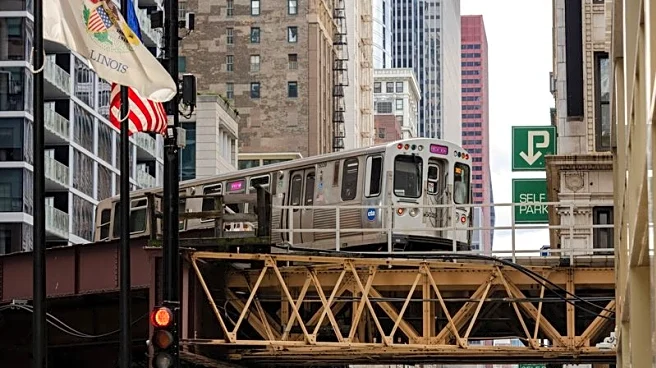
immigration policies, which have included mass deportation campaigns, reduced refugee admissions, and the revocation of temporary statuses for many immigrants. Major cities like New York, Los Angeles, and Chicago have experienced a steep decline in net immigration, with reductions of 62 percent or more. The Washington region also saw a 44 percent drop. These declines have contributed to a slowdown in overall population growth in these areas, which had previously been recovering from pandemic-related declines.
Why It's Important?
The decline in immigrant settlement in major U.S. cities has significant implications for urban workforce growth and economic vitality. Cities like New York and Los Angeles, which traditionally serve as hubs for international migration, are experiencing reduced population growth, potentially impacting local economies and labor markets. The shift may also affect the demographic composition and cultural diversity of these urban areas. Additionally, the broader trend of reduced immigration could influence national economic growth, as immigrants contribute to various sectors, including technology, healthcare, and service industries. The changes reflect a broader policy shift that began under the Biden administration and has intensified under President Trump, highlighting the ongoing debate over immigration policy in the U.S.
What's Next?
As the Trump administration continues to implement restrictive immigration policies, further declines in immigrant settlement in major cities are likely. This could lead to increased pressure on local governments to address potential labor shortages and economic challenges. Additionally, the policy direction may prompt legal challenges and advocacy efforts from immigrant rights groups seeking to reverse or mitigate the impact of these measures. The upcoming elections could also influence future immigration policies, depending on the political landscape and public sentiment towards immigration.
Beyond the Headlines
The decline in immigrant settlement in major cities may have long-term cultural and social implications, potentially altering the multicultural fabric of urban areas. The reduction in diversity could impact community dynamics, cultural exchanges, and the vibrancy of city life. Furthermore, the shift may lead to increased migration to smaller cities and rural areas, potentially redistributing economic opportunities and challenges across the country. The ongoing policy changes also raise ethical questions about the treatment of immigrants and the balance between national security and humanitarian considerations.