



What's Happening?
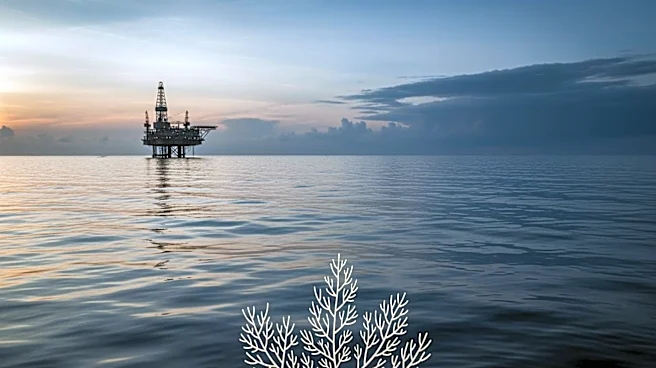
Environmental groups have filed a lawsuit against the Trump administration following its approval of BP's ultra deep-water drilling project in the Gulf of Mexico. The lawsuit, filed on the 16th anniversary of the Deepwater Horizon oil spill, challenges
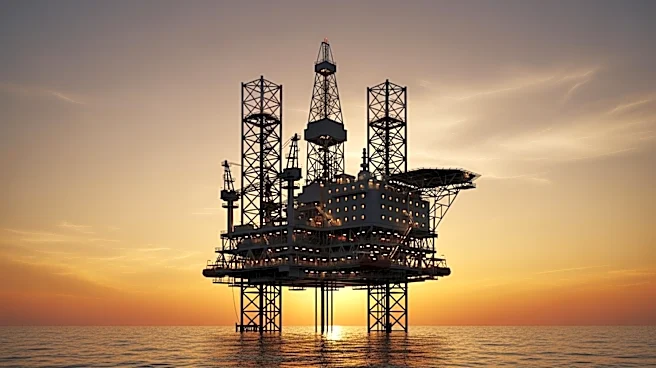
the approval of BP's $5 billion Kaskida project, which is expected to produce 80,000 barrels of crude oil per day. The plaintiffs argue that the approval lacks necessary information and fails to ensure safe drilling practices, posing risks to health, ecosystems, and local industries. The lawsuit names the U.S. Interior Department and other federal agencies as defendants, seeking a review of the project's approval.
Why It's Important?
The lawsuit highlights ongoing tensions between environmental protection efforts and fossil fuel development in the U.S. The approval of the Kaskida project is part of a broader push by the Trump administration to increase domestic oil production, which has significant implications for environmental policy and energy security. The Gulf of Mexico is a critical region for U.S. oil production, and decisions regarding drilling projects can have far-reaching impacts on local economies, ecosystems, and national energy strategies. The case underscores the challenges of balancing energy needs with environmental stewardship and the potential for legal battles to shape future policy directions.
What's Next?
The lawsuit could lead to a court-ordered review of the project's approval process, potentially delaying or altering its implementation. The outcome may influence future regulatory approaches to offshore drilling and environmental assessments. Stakeholders, including environmental groups, industry representatives, and policymakers, will likely engage in debates over the project's merits and risks. The case may also prompt broader discussions on the role of fossil fuels in the U.S. energy mix and the transition to renewable energy sources.