




What's Happening?
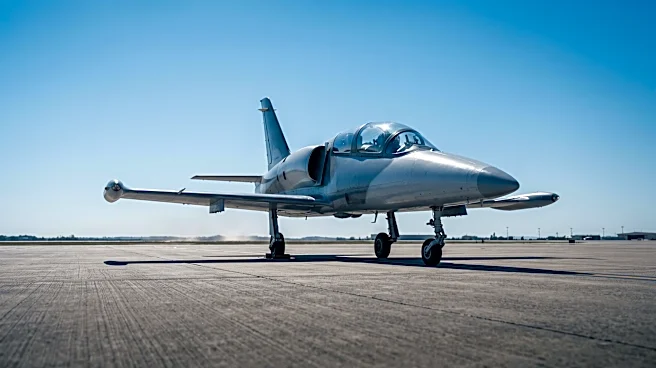
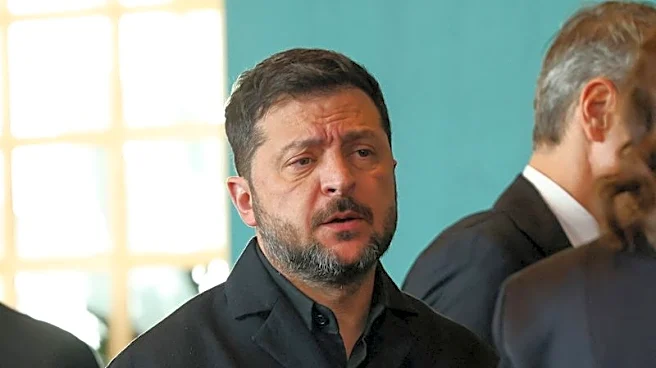
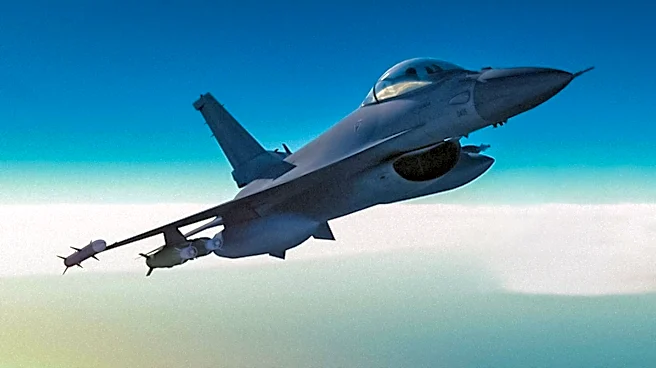
Ukrainian President Volodymyr Zelenskyy has stated that Ukraine requires a two-and-a-half-fold increase in the number of F-16 fighter jets operational in the air at any given time. This demand stems from the frequent maintenance requirements of the aircraft,
which are not new. Zelenskyy conveyed this during a meeting with journalists on Friday, as reported by European Pravda, citing Interfax-Ukraine. He also announced his online participation in the upcoming meeting of the Ukraine Defence Contact Group, also known as the Ramstein format. The President emphasized the urgent need for F-16s and discussed the challenges of their continuous maintenance, noting that approximately half of Ukraine's F-16 fleet is often undergoing repairs in Europe. Belgium is reportedly planning to send three F-16 jets to Ukraine this year, pending approval from France.
Why It's Important?
This call from President Zelenskyy highlights the critical need for sustained and enhanced air power in Ukraine's defense efforts. The F-16s are crucial for air superiority and ground support, and their limited operational availability due to maintenance issues directly impacts Ukraine's military capabilities. A significant increase in the number of active F-16s would bolster Ukraine's ability to counter Russian aggression, protect its airspace, and support ground operations more effectively. The reliance on older aircraft necessitates more frequent maintenance, creating a logistical challenge that impacts combat readiness. This situation underscores the ongoing dependency on international partners for military aid and the complexities of integrating and maintaining advanced Western military hardware in an active conflict zone. The request also signals a potential escalation in the type and quantity of military assistance Ukraine is seeking from its allies.
What's Next?
President Zelenskyy's participation in the upcoming Ukraine Defence Contact Group meeting will likely involve further discussions on securing additional F-16s and other air defense systems, such as PAC-2s and PAC-3s, from European partners. Ukraine will continue to press its allies, particularly the United States, for increased military support to address the operational challenges posed by the F-16s' maintenance needs. The approval process for Belgium's planned F-16 delivery by France will be a key immediate development to watch. Future discussions will also focus on long-term solutions for maintaining and servicing these advanced aircraft to ensure their sustained operational readiness. The outcome of these diplomatic and military negotiations will significantly influence Ukraine's air defense strategy and its ability to conduct offensive and defensive operations.
Beyond the Headlines
The persistent need for more F-16s and the challenges associated with their maintenance reveal a broader strategic issue concerning the sustainability of military aid to Ukraine. The reliance on older models of advanced weaponry, while necessary, places a considerable burden on logistics, training, and financial resources. This situation could lead to a re-evaluation of military aid packages, potentially shifting towards providing newer equipment or establishing more robust in-country maintenance and repair facilities. Furthermore, the request for more F-16s and air defense systems underscores the evolving nature of modern warfare, where air superiority remains a decisive factor. It also highlights the ethical and political dilemmas faced by Western nations in balancing their support for Ukraine with the potential for escalation and the strain on their own military inventories.