





What's Happening?
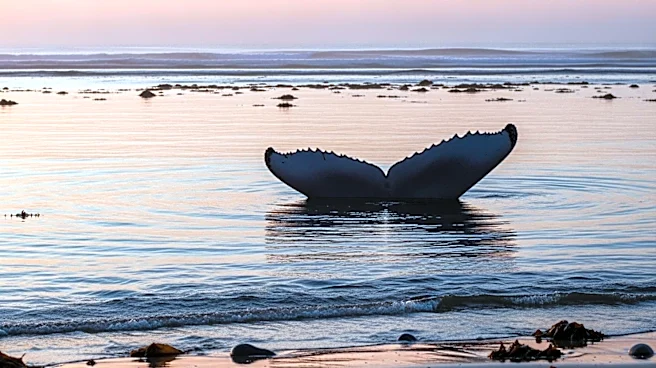
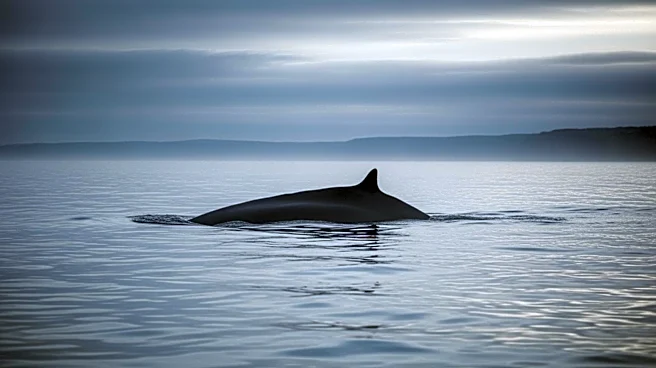
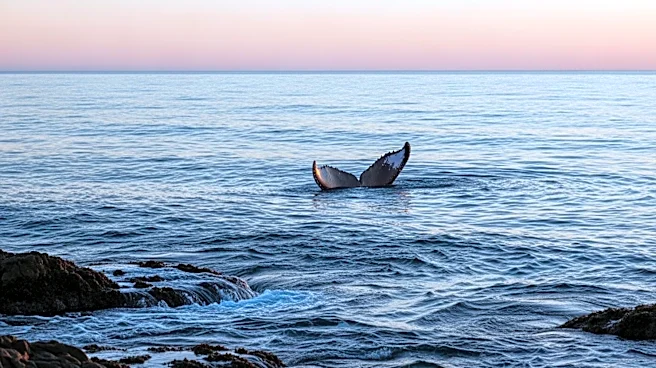
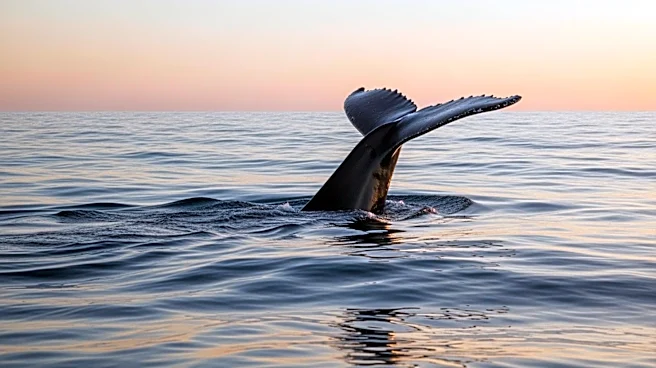
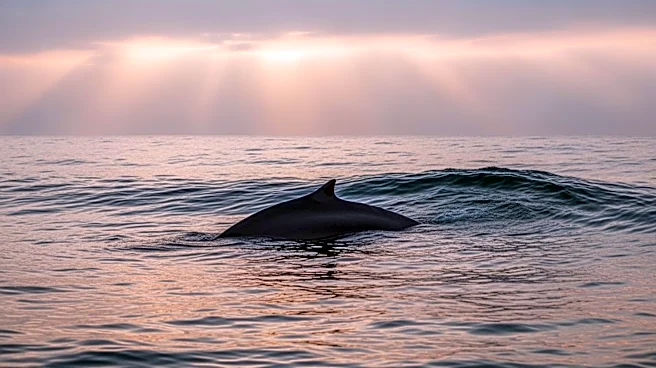
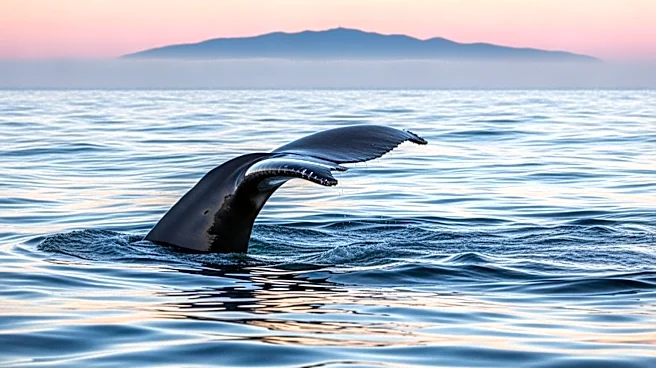
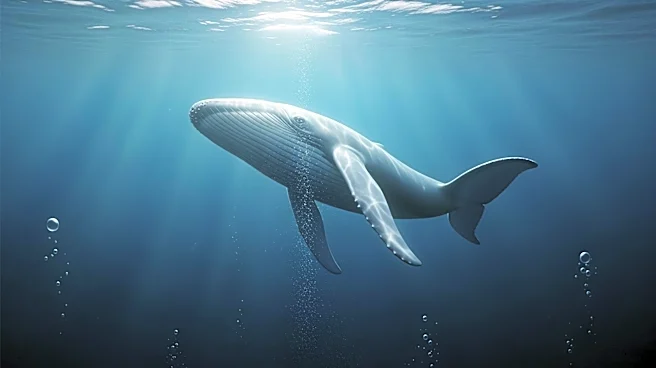
A young humpback whale, affectionately named 'Timmy' or 'Hope', was found dead off the coast of Denmark, marking the end of a high-profile European rescue effort. Timmy had previously been stranded in Germany, where rescue attempts were made to save the whale.
The Danish Environmental Protection Agency confirmed the whale's identity through a tracking device. Despite efforts to save Timmy by coaxing it into a barge and transporting it to deeper waters, the whale did not survive. The rescue mission, led by German entrepreneurs, was defended by Mecklenburg-Western Pomerania’s environment minister, Till Backhaus, who emphasized the importance of giving the whale a chance at recovery.
Why It's Important?
The death of Timmy highlights the challenges and ethical considerations involved in wildlife rescue operations. The rescue mission, although well-intentioned, raises questions about the effectiveness and potential stress caused by human intervention in such cases. The situation underscores the need for careful consideration of scientific advice in wildlife rescue efforts, as well as the emotional and financial investments involved. The incident also draws attention to the broader issue of marine life conservation and the impact of human activities on marine ecosystems.
What's Next?
There are currently no plans to remove Timmy's body or conduct a necropsy to determine the exact cause of death. The incident may prompt discussions among environmental agencies and conservationists about the protocols and decision-making processes in future wildlife rescue operations. It also serves as a reminder of the importance of balancing human compassion with scientific guidance in conservation efforts.