



What's Happening?
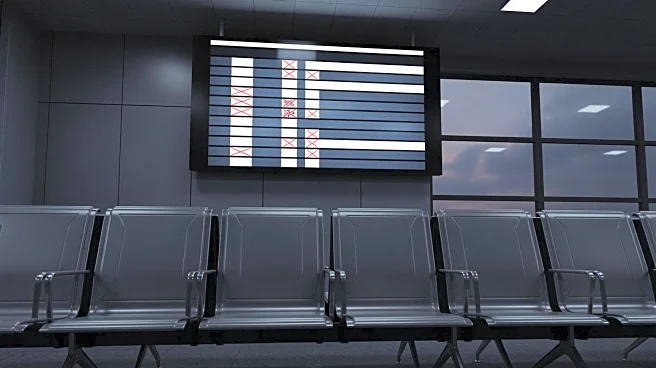
Delta and United Airlines have suspended their flight services between the United States and Tel Aviv due to escalating tensions in the Middle East. This decision comes as the U.S. State Department has issued urgent advisories for Americans in over a dozen
Middle Eastern countries to evacuate immediately. The suspension of flights has left many Americans stranded overseas, unable to return home amidst the ongoing conflict involving Iran. The airlines' decision reflects heightened security concerns and the unpredictable nature of the current geopolitical situation in the region.
Why It's Important?
The suspension of flights by major U.S. airlines like Delta and United highlights the severe impact of geopolitical tensions on international travel and the safety of American citizens abroad. This development underscores the vulnerability of global transportation networks to regional conflicts and the potential for significant disruptions in international mobility. For the U.S. government, ensuring the safe return of its citizens becomes a priority, potentially requiring diplomatic or logistical interventions. The situation also affects the airlines' operations and financial performance, as they navigate the complexities of international conflict zones.
What's Next?
In response to the flight suspensions, the U.S. government may need to coordinate with other countries or private entities to facilitate the safe evacuation of stranded Americans. This could involve chartering special flights or negotiating safe passage through less affected regions. Airlines will likely continue to monitor the situation closely, adjusting their operations based on security assessments and diplomatic developments. The ongoing conflict may also prompt broader discussions on travel advisories and the role of airlines in crisis situations.