




What's Happening?
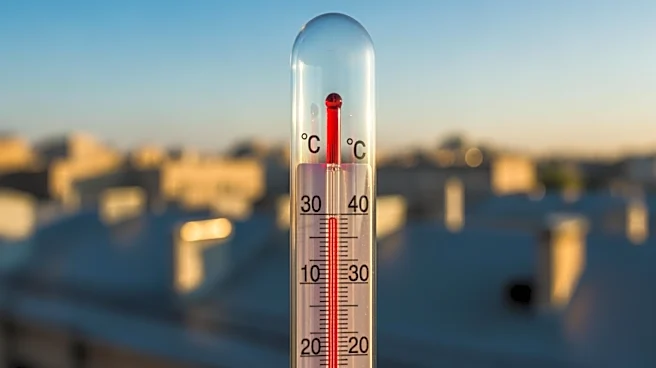
The Capital Weather Gang has reported that the Washington D.C. area is experiencing unseasonably warm temperatures due to an area of high pressure. The forecast predicts temperatures reaching the low to mid-70s today, with a significant warm-up expected
early next week. Highs are anticipated to reach the 80s on Monday, near 90 on Tuesday, and into the 90s by Wednesday and Thursday, potentially threatening record highs. The weather is characterized by mostly sunny skies, with occasional high cloudiness and wind gusts. The warm front passing through the region may bring a slight chance of showers, but overall, the conditions are expected to remain dry and warm.
Why It's Important?
The forecasted warm temperatures in the D.C. area are significant as they may break historical records for daytime maximum and minimum temperatures. This unusual heat wave could impact local residents, prompting them to take precautions such as applying sunscreen and staying hydrated. The warm weather may also affect energy consumption, as increased use of air conditioning could lead to higher electricity demand. Additionally, the early onset of summer-like temperatures could influence local agriculture and outdoor activities, potentially altering planting schedules and event planning.
What's Next?
As the week progresses, the D.C. area is expected to continue experiencing unseasonably warm conditions, with temperatures remaining in the upper 80s and low 90s. The forecast suggests that these temperatures will persist, accompanied by plenty of sunshine. Residents should prepare for the possibility of record-breaking heat and take necessary measures to stay cool and safe. There is also a chance of showers later in the week, which could provide some relief from the heat.
Beyond the Headlines
The current weather pattern in the D.C. area may be indicative of broader climate trends, as unseasonably warm temperatures become more frequent. This could have long-term implications for local ecosystems, water resources, and infrastructure. The increased frequency of heat waves may necessitate changes in urban planning and public health strategies to mitigate the effects of extreme temperatures on vulnerable populations.