






What's Happening?
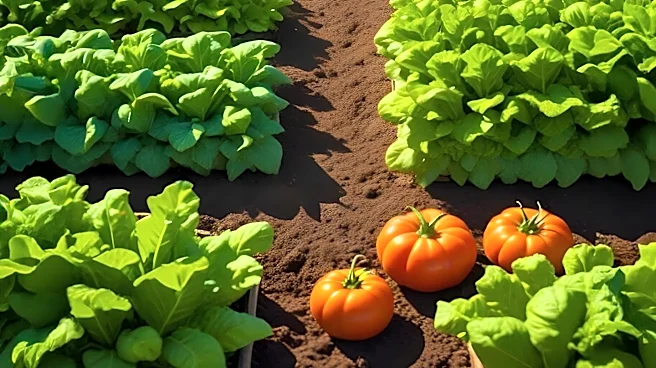
The city of Richmond, Virginia, has been actively developing community gardens across its neighborhoods for several years through its Richmond Grows Gardens urban agriculture program, initiated in 2011. This initiative transforms city-owned properties
into green spaces, aiming to support sustainability goals, enhance access to fresh food, and utilize vacant city parcels. Currently, there are 30 active gardens spanning various neighborhoods, from Church Hill to the Southside. While the city provides materials and infrastructure like water, sheds, garden beds, and tools, the gardens are not directly funded by the city. Priority for these resources is determined by an 'equity lens.' The program also fosters partnerships with organizations such as the Community ToolBank of Richmond and the Community Foundation for a greater Richmond. Despite the program's growth, there's an acknowledgment that many residents are unaware of how to get involved, and there's a lack of central coordination and a network for sharing produce across neighborhoods.
Why It's Important?
Richmond's community garden program is a significant urban agriculture initiative that addresses several critical aspects of community well-being and urban development. By converting vacant lots into productive green spaces, the city is not only beautifying neighborhoods but also promoting environmental sustainability. The focus on providing access to fresh food is particularly important for addressing food deserts and improving public health in underserved areas. The gardens foster community engagement and social cohesion, offering residents opportunities to connect with their food sources and neighbors. The program's reliance on community stewardship, while empowering, also highlights challenges in scaling such initiatives without direct city funding and centralized coordination. The 'Richmond Inspire' 10-year plan aims to give the city a clearer identity and service surrounding urban agriculture, indicating a long-term commitment to these benefits, but also acknowledging current limitations in outreach and integration with the broader food system.
What's Next?
The city of Richmond, through its 'Richmond Inspire' 10-year plan, is working to enhance the visibility and accessibility of its community gardens. This includes efforts to better inform residents about how to utilize the gardens and get involved. There are plans to expand the program to include kitchens at new community centers, which could further integrate fresh produce into community life and provide educational opportunities. Additionally, there will be investments in staff, volunteers, and training programs to strengthen the urban agriculture network. The program also aims to address the current lack of a network for sharing garden produce across neighborhoods and to establish clearer guidelines for farmers' markets associated with the gardens. These steps are intended to create a more cohesive and impactful urban agriculture system, moving beyond the current patchwork process and making it easier for newcomers to participate.
Beyond the Headlines
The Richmond Grows Gardens program, while focused on local food production and community engagement, also touches upon deeper societal and economic implications. The emphasis on 'foodways'—the cultural and social aspects surrounding food—highlights the program's role in preserving heritage and fostering a sense of identity within diverse communities. For instance, the sweet potato project and the recreation of traditional Appalachian pole beans demonstrate how these gardens can become living archives of culinary history and cultural memory. Furthermore, the discussion about the sustainability of volunteer-based gardens versus larger urban farms raises questions about the long-term viability and economic models for urban agriculture. While community gardens serve as an entry point for learning about food cultivation and building social connections, the need for larger parcels of land and revenue-generating models suggests a potential shift towards more economically sustainable urban farming initiatives that can feed entire neighborhoods and contribute to local economies.