
What's Happening?
The eastern two-thirds of the United States is set to experience unseasonably cold weather during the first half of May, with temperatures dropping significantly due to cold air masses from Canada. This
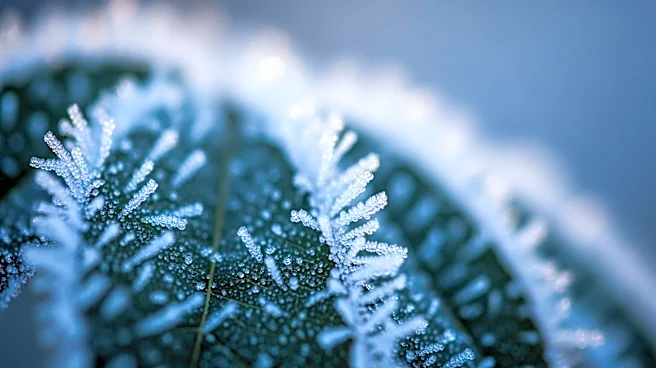
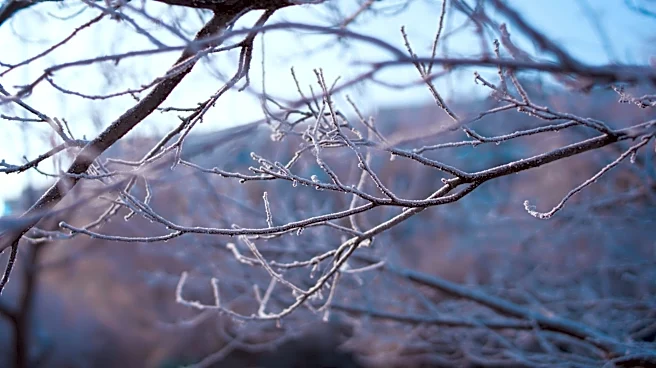
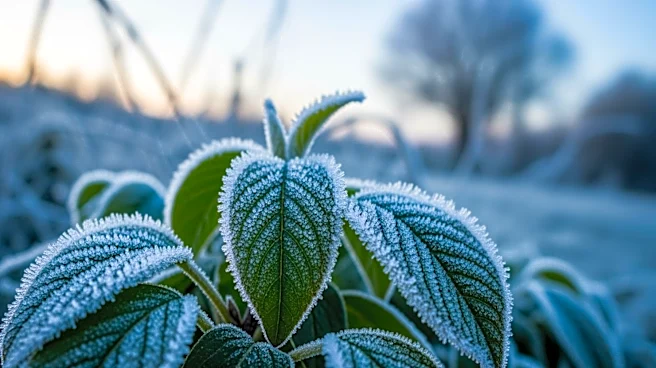
weather pattern is attributed to a wavy jet stream, which is expected to bring late-season freezes that could damage or kill sensitive vegetation. The National Weather Service has issued warnings about potential frost damage to outdoor plants and possible harm to unprotected plumbing. This cold spell follows an unusually warm March and April, with March being the warmest on record for the contiguous U.S. The cold air will initially affect the Midwest, parts of the Plains, Rockies, and interior Northeast and New England, impacting approximately 17 million people. A second wave of cold air is expected to bring freezing temperatures and possibly wet snow to Northern states.
Why It's Important?
The unexpected cold snap poses a significant threat to agriculture and gardening in the affected regions, as late-season freezes can severely damage crops and ornamental plants that have already begun to bloom. This could lead to economic losses for farmers and gardeners who rely on these plants for income or personal use. Additionally, the cold weather could disrupt outdoor activities and increase heating costs for residents in the affected areas. The contrast between the warm temperatures experienced in March and April and the sudden cold in May highlights the variability of weather patterns and the challenges they pose to planning and preparedness.
What's Next?
As the cold air moves through the eastern U.S., residents and farmers are advised to take precautions to protect sensitive vegetation and outdoor plumbing. This may include covering plants and insulating pipes. The National Weather Service will continue to monitor the situation and provide updates as necessary. After the cold spell, temperatures are expected to moderate, but a rapid transition to summer-like warmth is unlikely. Stakeholders in agriculture and local governments will need to assess the impact of the cold weather and plan for potential recovery efforts.