






What's Happening?
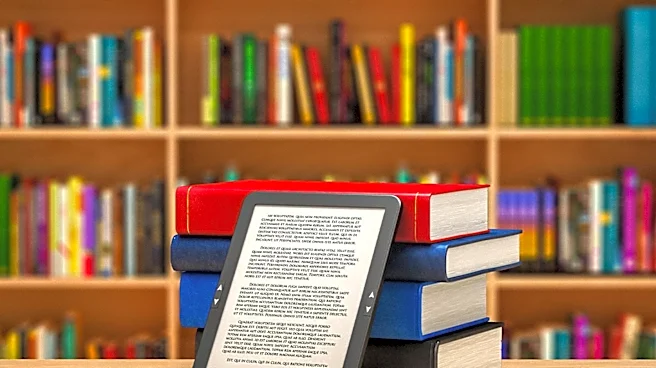
Abe Eyman, a St. Paul resident and data scientist, has initiated a project to repurpose obsolete Amazon Kindles and other e-readers by loading them with public domain and openly licensed e-books. These modified devices are then distributed through Little
Free Libraries. This initiative comes as Amazon ends support for older Kindle models, rendering them unsuitable for purchasing new e-books directly from the platform. Eyman collects these older devices, loads them with dozens of classic and contemporary titles that are free to distribute, and places them in Little Free Libraries for community members to take. His first modified Kindle, placed in his own Little Free Library, was taken within days. The project has received informal approval from Daniel Gumnit, Executive Director of Little Free Library, who noted that these libraries are often used to share various items beyond traditional printed books, responding to community needs. Eyman's selection of books includes titles like "The Adventures of Huckleberry Finn," "Don Quixote," and "The Great Gatsby," as well as modern works like M.L. Wang's "Destiny's Edge," which the author authorized for free distribution.
Why It's Important?
This initiative addresses several significant issues, including technological waste and access to literature. By repurposing obsolete e-readers, Eyman is contributing to the reduction of electronic waste, a growing environmental concern. Many older devices, though no longer supported by manufacturers for new content purchases, remain functional for reading pre-loaded materials. Furthermore, the project enhances access to books for individuals who may not have the means to purchase e-readers or e-books, or who prefer digital formats. It democratizes access to literature, particularly classic works that are in the public domain, making them readily available to a wider audience through community-based sharing points. This effort also highlights the potential for creative solutions to bridge the digital divide and promote literacy, leveraging existing community infrastructure like Little Free Libraries. The project demonstrates how individuals can innovate to extend the lifespan of technology and foster cultural enrichment within their communities.
What's Next?
The success of Eyman's initial distribution suggests a potential for expansion of this model. Other individuals or community groups might adopt similar initiatives, collecting and repurposing obsolete e-readers for broader distribution. The project could inspire partnerships with local libraries or technology recycling programs to scale up the collection and preparation of devices. There might also be increased awareness and discussion around the longevity and planned obsolescence of electronic devices, prompting consumers and manufacturers to consider more sustainable practices. As more older e-readers become unsupported, the pool of devices available for such projects will grow, potentially leading to a more widespread movement. The informal endorsement from Little Free Library's executive director could also encourage other stewards to welcome or even initiate similar digital sharing efforts within their own library networks, further integrating technology into community book-sharing practices.
Beyond the Headlines
Eyman's project touches upon deeper themes of digital equity, sustainability, and the evolving nature of literacy. In an increasingly digital world, access to e-reading devices and digital content is crucial, yet not universally available. This initiative provides a tangible way to bridge that gap, offering digital reading experiences to those who might otherwise be excluded. It also challenges the consumerist cycle of constant upgrades and disposability, advocating for a more circular economy where technology is reused and repurposed. The project subtly redefines the concept of a 'library' in the digital age, extending its reach beyond physical books to include digital formats, while still maintaining the community-centric, sharing ethos of Little Free Libraries. It underscores the idea that reading, regardless of format, remains a fundamental aspect of personal and community development, and that creative solutions can ensure its accessibility in an ever-changing technological landscape.