
What's Happening?
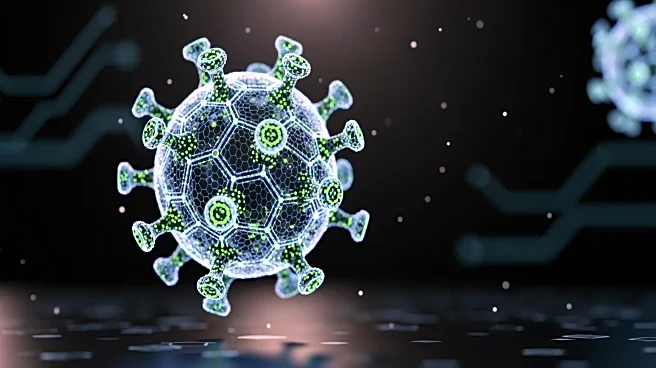
Recent advancements in artificial intelligence (AI) have enabled the creation of viral genomes from scratch, raising concerns about biosecurity. AI tools, such as genome-language models, can design new
viral genomes that resemble natural viruses, making it difficult to predict their behavior. A study led by Microsoft Research highlights the potential for AI-designed proteins to evade DNA synthesis safety checks. While these AI-built viruses, known as bacteriophages, are currently used for medical purposes, the dual-use nature of this technology poses significant risks if misused.
Why It's Important?
The ability of AI to create viruses from scratch presents both opportunities and risks. On one hand, it could accelerate the development of antibiotics and vaccines, offering new solutions for antibiotic-resistant infections. On the other hand, the potential misuse of this technology for creating biological weapons poses a serious threat to global security. The study emphasizes the need for robust biosecurity measures, including improved DNA synthesis screening and international collaboration to establish safety standards. These measures are crucial to prevent the misuse of AI in biological research.
What's Next?
As AI technology continues to advance, there will be increased efforts to enhance biosecurity protocols and screening processes. Governments and international organizations are likely to implement stricter regulations and guidelines to ensure the safe use of AI in biological research. Collaboration between researchers, companies, and regulators will be essential to develop effective safety measures and prevent the misuse of AI-generated viruses. Additionally, ongoing research and development in AI-driven medical solutions will continue, with a focus on balancing innovation with safety.