



What's Happening?
Oxfam, a British-based NGO, will halt its operations in Gaza following the Israeli Diaspora Affairs Ministry's decision to revoke the registration of 37 international aid groups, including Oxfam, for non-compliance with new data-sharing requirements.
These requirements mandate NGOs to provide personal information of their employees working in Palestinian territories, which Oxfam refused, citing humanitarian and data protection principles. The organization has been involved in water and wastewater infrastructure projects in Gaza. Additionally, Oxfam's former CEO, Halima Begum, alleged that the organization faced internal pressure to label the Israel-Gaza conflict as genocide without sufficient legal review, a claim Oxfam denies.
Why It's Important?
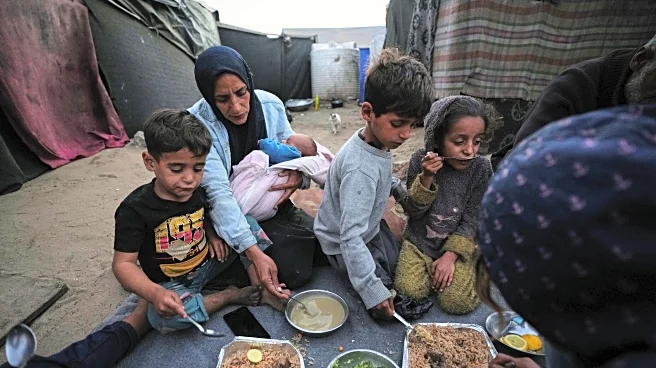
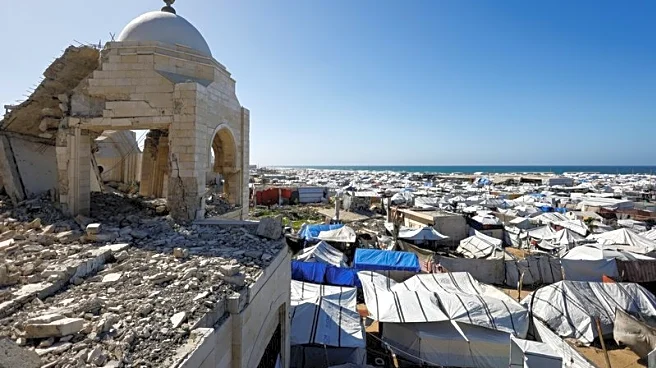
The cessation of Oxfam's operations in Gaza could significantly impact humanitarian aid delivery, particularly in water and sanitation projects. The broader move by Israel affects 37 NGOs, potentially disrupting various aid efforts in the region. The controversy surrounding Oxfam's internal pressures highlights the complex dynamics and challenges faced by international NGOs operating in politically sensitive areas. The situation underscores the tension between humanitarian principles and governmental regulations, which could lead to reduced aid effectiveness and increased suffering for the affected populations.
What's Next?
Oxfam and other affected NGOs may need to reassess their operational strategies in the region, potentially increasing reliance on local partners to continue their work. The Israeli government's stance on NGO operations could lead to further diplomatic discussions or legal challenges. The broader implications for international aid organizations operating in conflict zones may prompt a reevaluation of data-sharing policies and humanitarian principles to ensure compliance without compromising aid delivery.