






What's Happening?
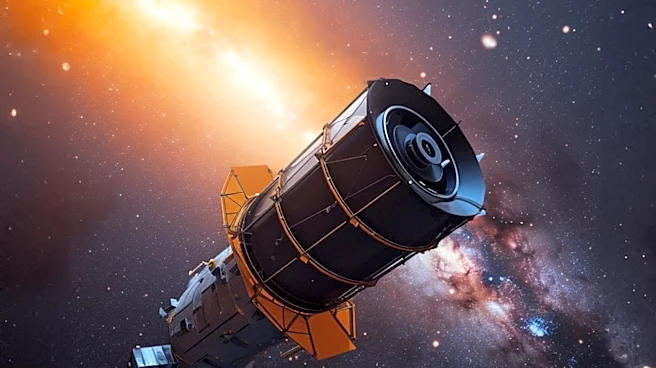
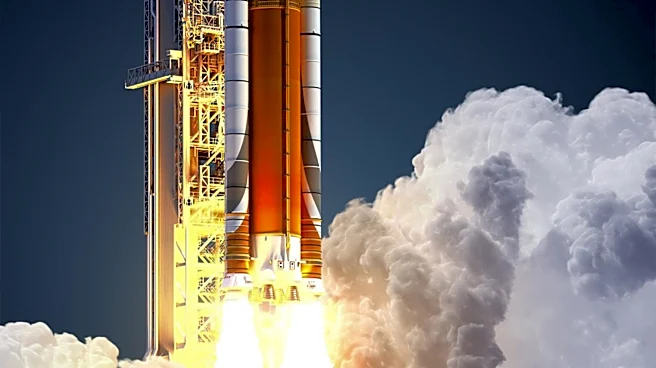
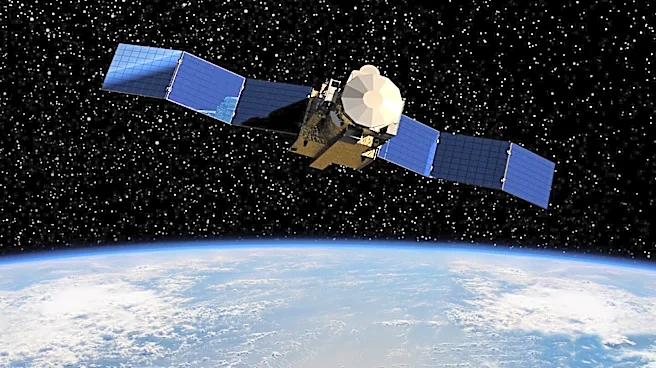
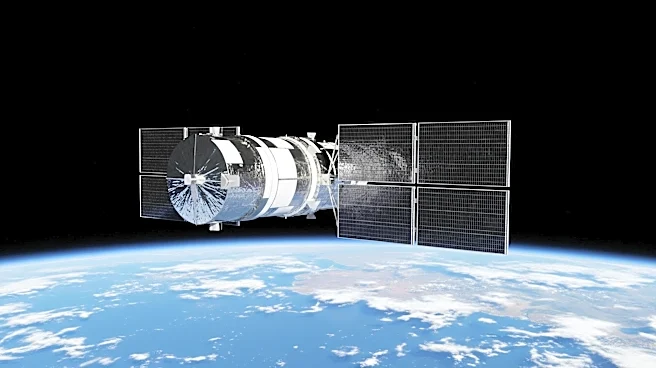
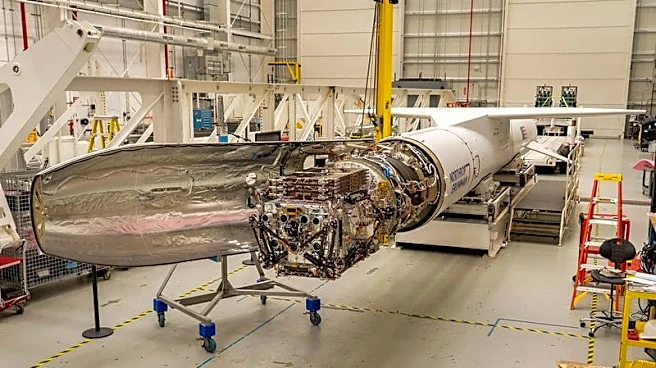
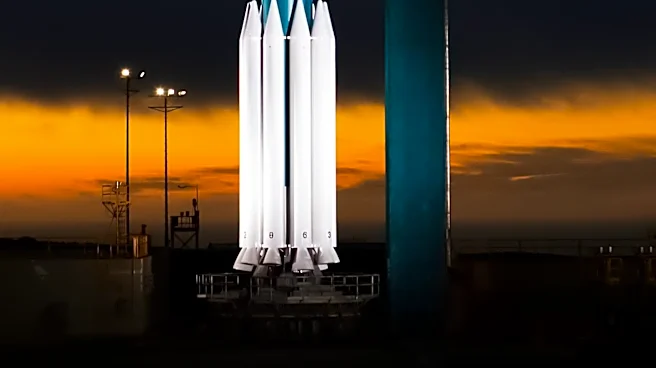
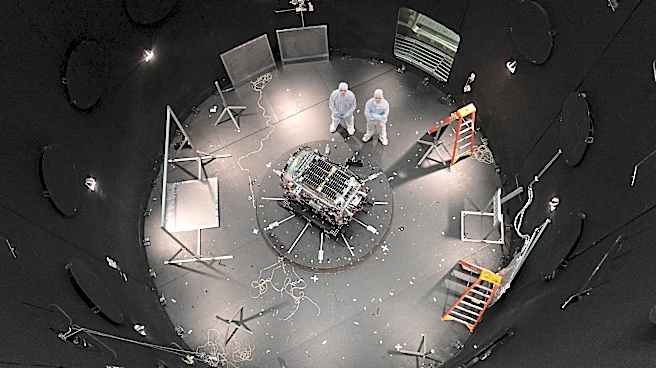
NASA's satellite rescue mission faced an unexpected delay due to a last-minute launch problem. The mission, which was set to deploy a satellite aimed at rescuing and repairing other satellites in orbit, encountered technical difficulties that prevented
the launch from proceeding as scheduled. This mission is part of NASA's ongoing efforts to maintain and extend the operational life of satellites, which are crucial for various applications including communication, weather monitoring, and scientific research. The delay highlights the complexities and challenges involved in space missions, where even minor technical issues can lead to significant setbacks.
Why It's Important?
The delay in NASA's satellite rescue mission underscores the importance of satellite maintenance and repair in ensuring the continuity of services that rely on satellite technology. Satellites play a vital role in modern infrastructure, supporting everything from GPS navigation to global communications. A successful rescue mission would not only extend the life of existing satellites but also reduce the need for launching new ones, thereby saving costs and minimizing space debris. The delay may impact industries and sectors that depend on satellite data, emphasizing the need for robust contingency plans and technological advancements in satellite repair and maintenance.
What's Next?
NASA is expected to address the technical issues that caused the delay and reschedule the launch. The agency will likely conduct thorough diagnostics and testing to ensure the satellite is ready for deployment. Stakeholders, including satellite operators and industries reliant on satellite data, will be closely monitoring the situation. The success of this mission could pave the way for more advanced satellite repair technologies, potentially revolutionizing how satellites are maintained in orbit.