



What's Happening?
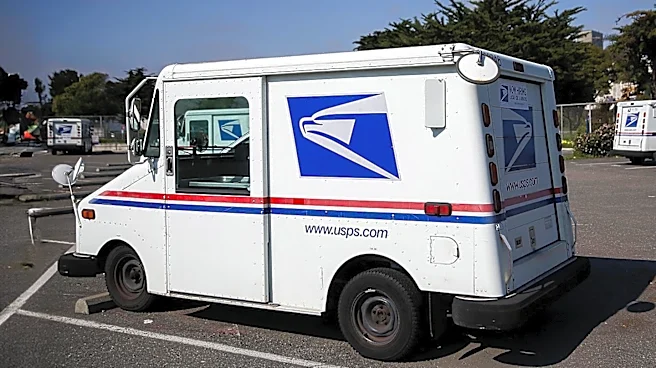
U.S. Representatives Jill N. Tokuda (HI-02) and James Moylan (GU-At Large) have led a bipartisan, bicameral group of lawmakers in urging Postmaster General David Steiner to reverse recent changes to USPS Ground Advantage service. Effective October 1,
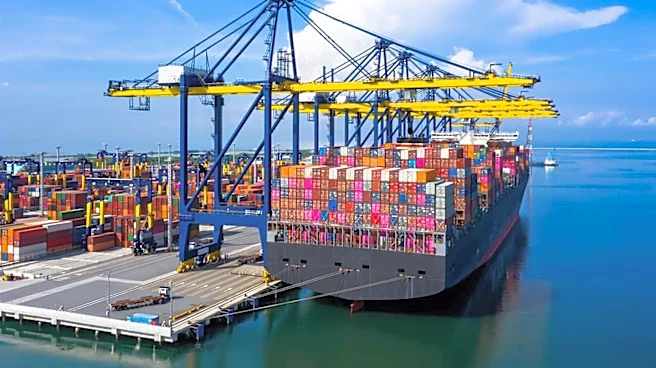
2026, the USPS began transporting Ground Advantage packages weighing less than one pound primarily by boat instead of air between the contiguous United States and noncontiguous states and U.S. territories. This policy shift is projected to extend delivery times for communities in the Pacific and Caribbean to 10 days or more, nearly doubling the standard five-day domestic delivery window. Lawmakers argue that this change exacerbates existing concerns about prolonged delivery times and rising postal rates, disproportionately affecting island communities that rely on mail service for essential goods like medications and household items not readily available locally.
Why It's Important?
This policy change by the USPS has significant implications for residents and businesses in noncontiguous states and U.S. territories. For these communities, reliable mail service is often a critical lifeline, providing access to necessities that are otherwise unavailable. The extended delivery times and increased costs could lead to severe disruptions in access to essential goods, impacting public health, economic stability, and overall quality of life. Small businesses in these regions may also face increased operational challenges due to slower supply chains and higher shipping expenses. The lawmakers' intervention highlights a broader concern about equitable service provision by a federal agency, particularly for geographically isolated populations, and underscores the ongoing tension between USPS operational efficiency goals and its public service mandate.
What's Next?
The bipartisan group of lawmakers has formally requested Postmaster General David Steiner to respond by November 25, 2026, regarding their plea to restore air transportation for eligible lightweight Ground Advantage packages. They are urging the USPS to reconsider the policy's disproportionate impact on noncontiguous states and U.S. territories. The outcome of this request will determine whether the USPS will revert to its previous air transport method for these packages or maintain the current boat-based system. Depending on the USPS's response, lawmakers may pursue further legislative or administrative actions to address the concerns of their constituents. The situation could also prompt broader discussions about the USPS's service standards and its commitment to providing timely and reliable service across all U.S. jurisdictions.
Beyond the Headlines
The USPS decision to shift lightweight package transport from air to sea for noncontiguous regions reflects a broader strategic effort by the Postal Service to manage costs and improve financial stability. However, this move inadvertently highlights the unique logistical challenges and vulnerabilities faced by island and remote communities within the U.S. It brings to the forefront the ethical dilemma of balancing fiscal responsibility with the universal service obligation of a public utility. The policy could inadvertently deepen economic disparities and create a two-tiered postal service system, where mainland residents receive faster, more efficient service compared to those in remote areas. This situation also underscores the critical role of congressional oversight in ensuring that federal agencies uphold their mandates without disproportionately burdening specific populations, especially those already facing geographical disadvantages.