



What's Happening?
The Supreme Court of India has issued an order addressing the 'digital arrest' scams, which have seen a decline in complaints according to the Indian Cybercrime Coordination Centre. The Court noted the decrease in complaints from 123,672 in 2024 to 58,249
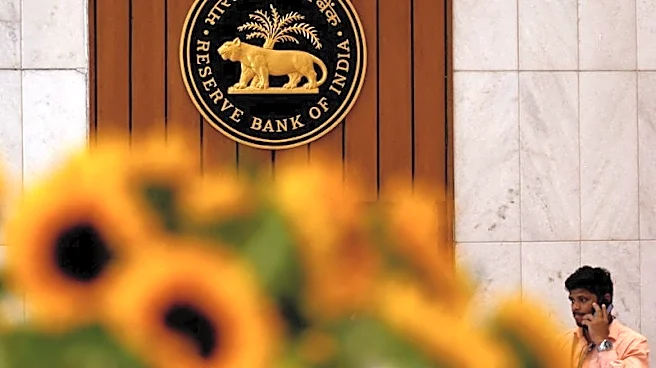
in 2025, and 16,377 in the first half of 2026. Despite this, the Court emphasized the need for continued vigilance and directed the Reserve Bank of India to implement procedures for temporary debit holds on mule accounts. The Court also called for the establishment of cybercrime coordination centers and the operationalization of e-Zero FIRs. The scams, often run from overseas 'scam compounds' in Myanmar and Cambodia, have targeted senior citizens and professionals, exploiting their fear of legal trouble.
Why It's Important?
The Supreme Court's intervention highlights the ongoing threat of cybercrime and the need for robust measures to protect citizens. The decline in complaints suggests some success in combating these scams, but the persistence of such crimes indicates that more needs to be done. The scams have significant financial implications, with victims losing substantial amounts of money. The Court's directives aim to enhance the detection and prevention of such scams, potentially reducing financial losses and increasing public confidence in digital transactions. The involvement of international networks in these scams underscores the need for cross-border cooperation to effectively tackle cybercrime.
What's Next?
The implementation of the Supreme Court's directives will be crucial in strengthening India's cybercrime response. The Reserve Bank of India and other stakeholders will need to collaborate to ensure the effective execution of the proposed measures. There may be increased efforts to raise public awareness about cybercrime and the importance of digital security. International cooperation, particularly with countries like Myanmar and Cambodia, will be essential to dismantle the networks behind these scams. The success of these initiatives could serve as a model for other countries facing similar challenges.