





What's Happening?
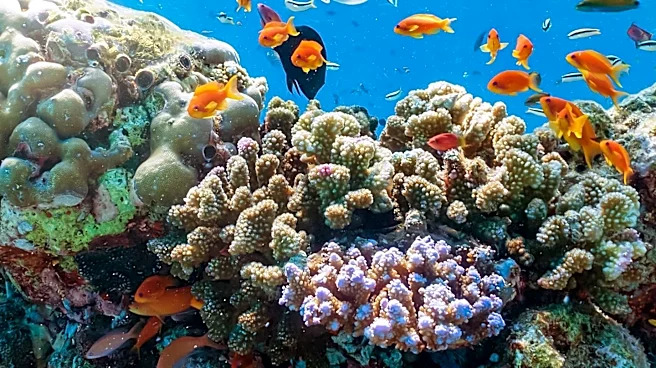
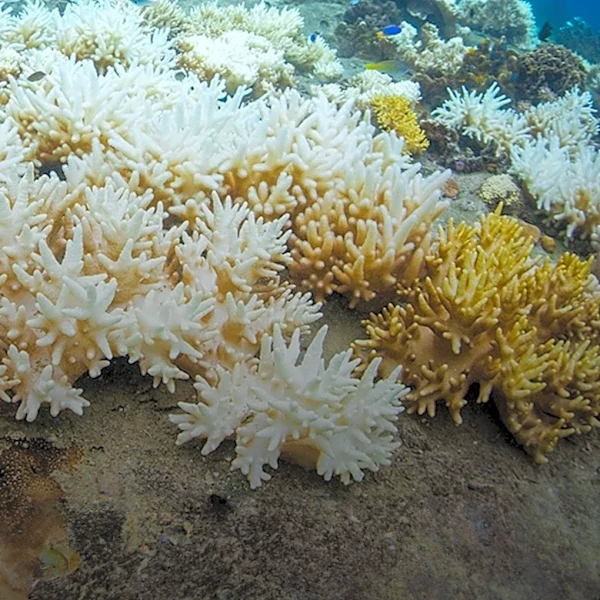
A recent study conducted by Universiti Malaysia Terengganu (UMT) has found that microplastics are present in nearly two-thirds of coral samples taken from Pulau Redang Marine Park, a protected area in Malaysia. Researchers collected 200 coral fragments
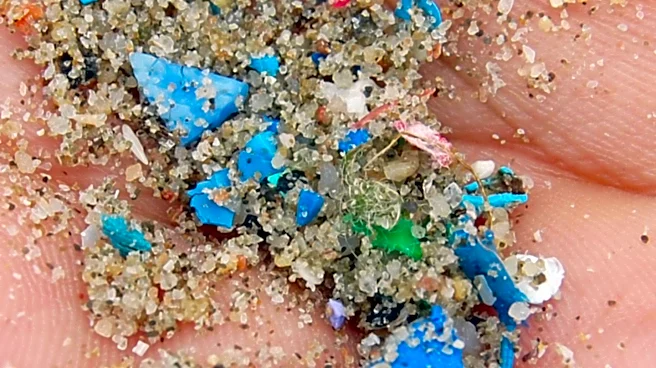
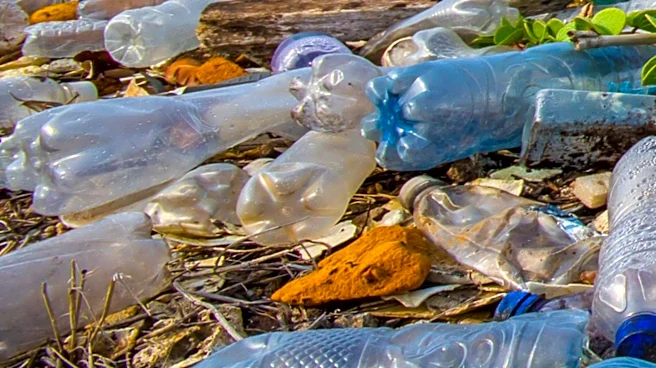
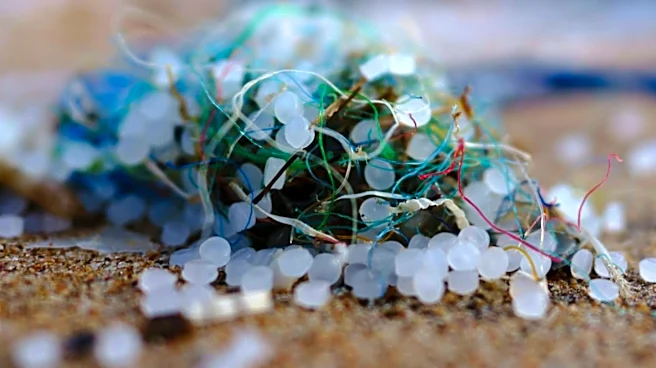
from five reef sites within the park and discovered microplastics in 64% of them. The primary plastic identified was polyethylene terephthalate (PET), commonly used in single-use drinking bottles. Black microplastics, potentially linked to water sports gear, were also frequently found. The study, published in the journal Regional Studies in Marine Science, indicates that these tiny plastic particles, measuring 5 millimeters or smaller, have settled into the skeletons of corals. Sites closer to tourist hotspots exhibited higher levels of contamination, with Long Beach, the busiest tourist area, recording 1.31 microplastic particles per gram of coral, significantly more than the 0.54 recorded at Chagar Hutang, a turtle nesting site. The researchers noted that corals entangled in plastic debris or fibers contained nearly three times more microplastics in their skeletons.
Why It's Important?
This study highlights the pervasive nature of plastic pollution, even within designated marine protected areas, underscoring the global challenge of microplastic contamination. The presence of microplastics in coral skeletons raises concerns about the long-term health and resilience of coral reef ecosystems, which are vital for marine biodiversity and coastal protection. While the UMT scientists are still uncertain about the full ecological impacts on coral health, previous research suggests that exposure to microplastics can accelerate coral degradation. The findings emphasize that traditional conservation efforts, such as fishing restrictions and tourism management, are insufficient to protect marine environments from microplastic pollution, which can be carried by ocean currents and generated by nearby human activities. This necessitates a broader approach to waste management and pollution prevention to safeguard critical marine habitats worldwide.
What's Next?
Further research is needed to fully understand the long-term ecological impacts of microplastics on coral health and the broader marine ecosystem. The UMT scientists have indicated that this will be a key area for future studies. The findings also reinforce the urgent need for more effective strategies to prevent plastic waste from entering marine environments, especially in areas surrounding marine protected zones. This could involve stricter regulations on single-use plastics, improved waste collection and recycling infrastructure, and public awareness campaigns to reduce plastic consumption. International efforts to combat plastic pollution, such as ongoing UN plastics treaty talks, will likely draw upon such regional studies to inform policy and intervention strategies aimed at mitigating the global microplastic crisis.
Beyond the Headlines
The study's revelation that microplastics are prevalent even in protected marine areas challenges the effectiveness of current conservation boundaries against pervasive pollutants. It suggests a fundamental flaw in how human activities are managed in relation to natural ecosystems, where the mobility of microplastics transcends geographical limits. The identification of PET as a primary contaminant points directly to consumer habits and the widespread use of single-use plastics, highlighting a societal dependency that has far-reaching environmental consequences. This situation underscores the ethical responsibility of industries and consumers to adopt more sustainable practices and for policymakers to implement comprehensive, systemic changes rather than relying solely on localized protection measures. The study implicitly calls for a re-evaluation of what 'protection' truly means in an era of globalized pollution.