





What's Happening?
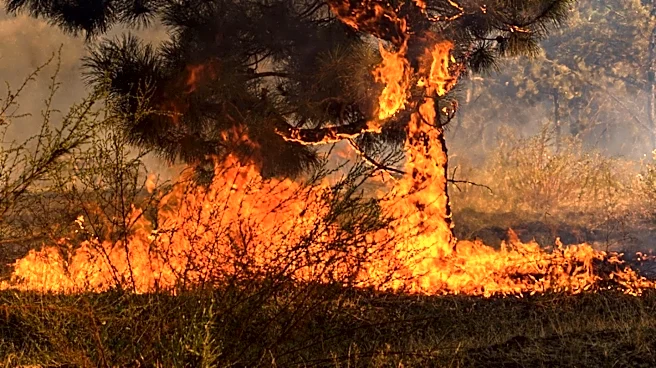
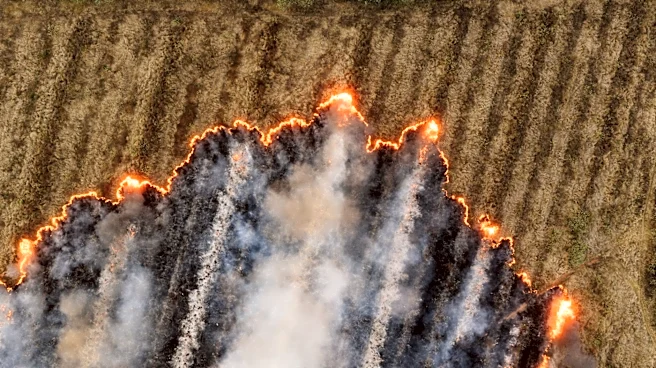
A human-caused fire, named the Harley Fire, broke out near Garland, Utah, leading to immediate evacuations and the temporary closure of Interstate 15. The fire, which started as a house fire and spread to surrounding areas, has burned an estimated 200-300
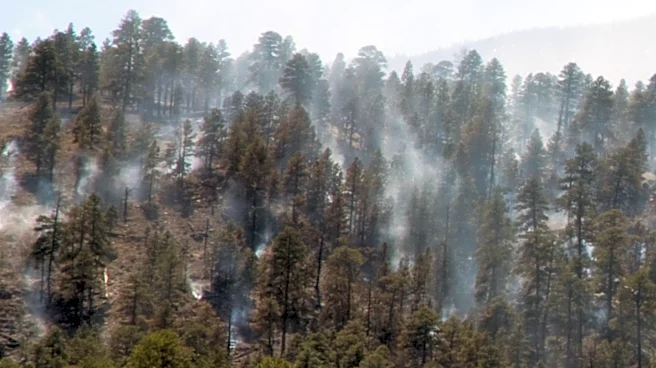
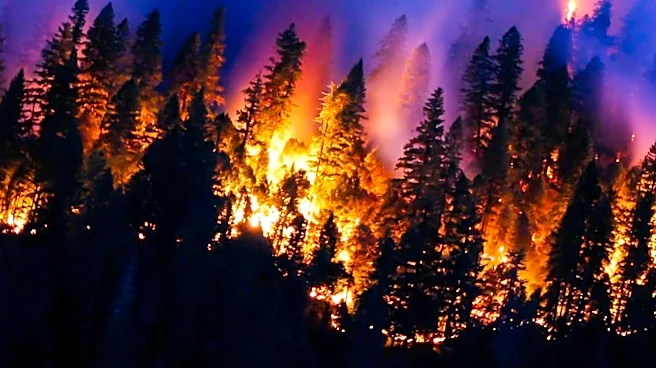
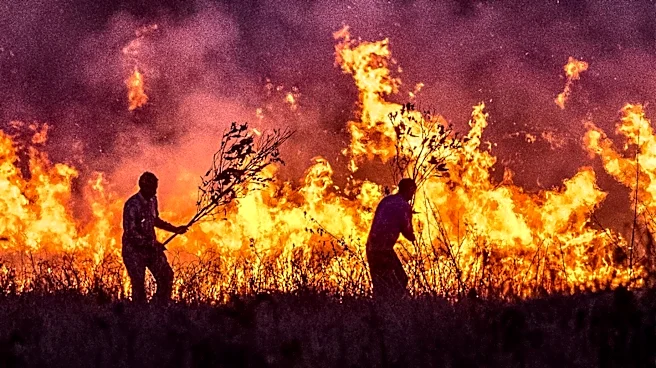
acres north of Tremonton and west of Garland along I-15. While all lanes of I-15 have since reopened, evacuation orders remain in effect for residents on Harley Drive, and those on Radio Hill are on "READY" status, prepared for potential evacuation. In total, 10 homes have been evacuated, with an evacuation center established at the Garland Armory. Firefighters are actively working to secure the perimeter of the fire, which currently has 0% containment. Critical infrastructure, including power lines, roadways, and water systems, are threatened by the blaze. The power to Garland and Tremonton was deactivated due to the fire, and Canal Road/7600 West remains closed. Hot, dry, and windy conditions are fueling the fire. This incident marks the third fire in Box Elder County within 24 hours, following the Little Mountain Fire (600 acres) and the Salt Wells Fire (585 acres). The cause of the Harley Fire is under investigation.
Why It's Important?
The Harley Fire and the concurrent blazes in Box Elder County underscore the severe wildfire risk facing Utah, particularly during periods of hot, dry, and windy conditions. The immediate impact on residents, including evacuations and potential loss of property, highlights the direct threat to public safety and community stability. The closure of Interstate 15, a major transportation artery, disrupts commerce and travel, affecting local and regional economies. Furthermore, the threat to critical infrastructure such as power lines and water systems can lead to widespread service disruptions, impacting daily life and potentially hindering emergency response efforts. The deactivation of power lines, for instance, can leave thousands without electricity, affecting homes, businesses, and essential services. The frequency of these fires within a short period suggests a heightened vulnerability to wildfires, which can be exacerbated by climate change and human activity. The strain on firefighting resources, with multiple fires burning simultaneously, also raises concerns about the capacity to manage large-scale incidents effectively. This situation emphasizes the need for robust wildfire prevention strategies, rapid response capabilities, and community preparedness in fire-prone regions.
What's Next?
Firefighters will continue their efforts to contain the Harley Fire, focusing on establishing and holding dozer lines around the perimeter, especially as strong winds associated with an approaching storm system are anticipated. The investigation into the fire's cause will proceed, which could lead to findings that inform future prevention strategies. Residents under evacuation orders will await updates from the Garland Fire Department regarding when it is safe to return home. The affected critical infrastructure, including power lines, will require assessment and reactivation once conditions allow, which may involve temporary power outages for Garland and Tremonton. Local authorities will also monitor the other fires in Box Elder County to ensure they remain under control. Public awareness campaigns on wildfire prevention, particularly regarding human-caused fires, may be intensified. The state and local governments will likely review their emergency response protocols and resource allocation in light of these multiple incidents to enhance preparedness for future wildfire seasons. The long-term recovery for affected areas will involve assessing damages, providing support to displaced residents, and potentially implementing measures to mitigate future risks.
Beyond the Headlines
The recurring wildfires in Utah, including the Harley Fire, point to a deeper environmental and societal challenge: the increasing interface between human development and wildlands, coupled with changing climate patterns. The term "human-caused fire" highlights the significant role of human activity in igniting these destructive events, whether through negligence or accident. This raises ethical questions about individual and collective responsibility in fire prevention and land management. The economic implications extend beyond immediate property damage to include long-term costs associated with firefighting, ecosystem restoration, and potential impacts on tourism and natural resource industries. Culturally, wildfires can profoundly affect communities, leading to displacement, loss of cherished landscapes, and psychological trauma. The need for proactive measures, such as defensible space around homes, stricter regulations on outdoor activities during high-risk periods, and community-wide education, becomes paramount. Furthermore, the incident underscores the complex interplay between natural hazards and critical infrastructure, necessitating integrated planning and investment in resilient systems to protect essential services from environmental threats. The ongoing battle against wildfires in Utah is a microcosm of a larger national struggle to adapt to a more fire-prone future.