







What's Happening?
Miami-Dade Sheriff Rosie Cordero-Stutz and Brett Skiles, the Special Agent in Charge for the FBI in Miami, have announced a significant reduction in crime across Miami-Dade County, attributing the success to their enhanced collaboration. In an exclusive
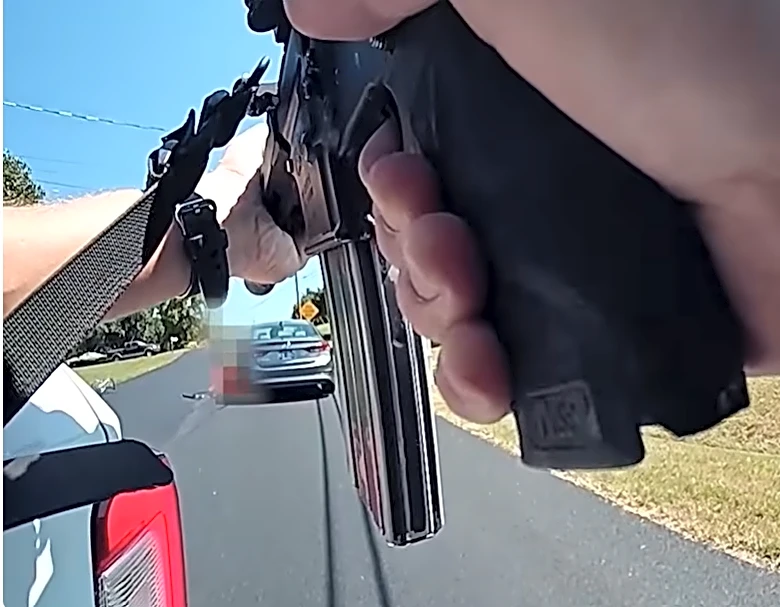
interview, Sheriff Cordero-Stutz highlighted that while crime is down nationally, local numbers are particularly impressive since she became Sheriff in January 2025. Homicides in Miami-Dade decreased by 26% from 106 in 2024 to 78 in 2025. Robberies saw a 16% drop, from 1,157 in 2024 to 967 in 2025. Aggravated assaults fell by 12%, from 2,191 to 1,933, and burglaries decreased by 7%, from 1,180 to 1,101. For the first seven months of this year, homicides are down 45% and aggravated assaults are down 32%. This collaboration includes a joint operation called 'Operation Viper' in May, which targeted illegal drugs, firearms, and violent crimes, leading to 21 arrests and the confiscation of 7 illegal firearms.
Why It's Important?
This report signifies a positive trend in public safety for Miami-Dade County, demonstrating the effectiveness of inter-agency cooperation in combating crime. The substantial reduction in various crime categories, particularly homicides and violent assaults, directly impacts the quality of life for residents and can foster greater community trust in law enforcement. The collaboration between local and federal agencies, as exemplified by 'Operation Viper,' allows for a more comprehensive approach to crime fighting, leveraging both state and federal resources and statutes. This model could serve as a blueprint for other jurisdictions facing similar challenges, highlighting the benefits of shared intelligence, coordinated efforts, and the application of federal penalties where appropriate to deter criminal activity.
What's Next?
Sheriff Cordero-Stutz and Special Agent Skiles expressed their commitment to continuing this collaborative approach to further curb crime in Miami-Dade. They emphasized the importance of community involvement, urging the public to report suspicious activities and provide information, including cell phone videos or Ring camera footage, to law enforcement. The ongoing success of this partnership will likely depend on sustained communication, resource sharing, and adaptive strategies to address evolving criminal trends. Future initiatives may include expanding joint operations, enhancing intelligence gathering, and strengthening community outreach programs to maintain and build upon the current crime reduction momentum. The focus will remain on proactive measures and leveraging all available tools to ensure public safety.
Beyond the Headlines
The reported crime reduction goes beyond mere statistics; it reflects a potential shift in community dynamics and the effectiveness of law enforcement strategies. A sustained decrease in crime can lead to increased economic development, improved property values, and a stronger sense of community well-being. However, it also raises questions about the long-term sustainability of such reductions and the underlying socio-economic factors that contribute to crime. The emphasis on community cooperation highlights the critical role of citizens in public safety, fostering a shared responsibility between law enforcement and residents. This success story could also influence policy discussions at state and national levels regarding funding for inter-agency task forces and the implementation of similar collaborative models in other high-crime areas.