






What's Happening?
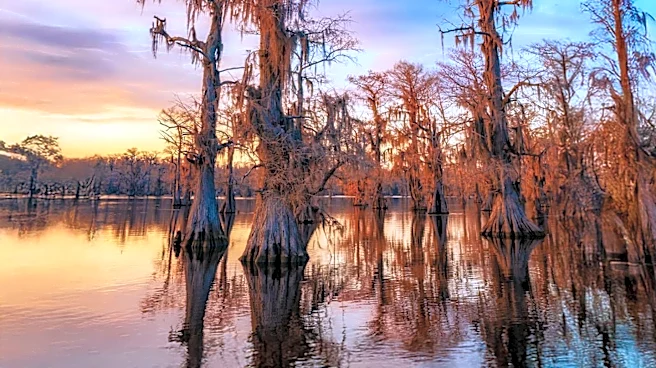
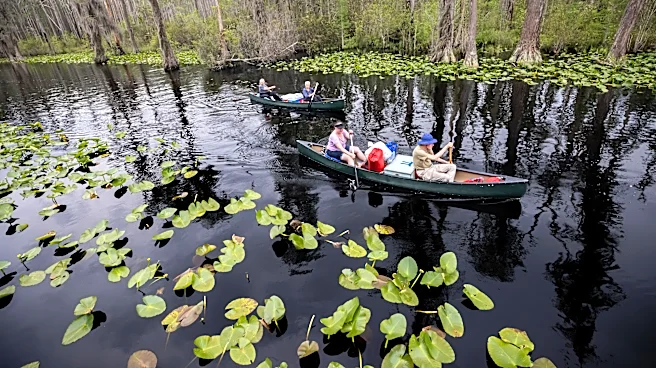
The Okefenokee Swamp in Georgia has been officially designated as a UNESCO World Heritage site. This decision was made by the World Heritage Committee during its 48th annual session in Busan, South Korea. The swamp, which is already recognized as a National
Wildlife Refuge, is the first site in Georgia to receive this prestigious status. The Okefenokee Swamp is known for its rich biodiversity and cultural history, including its significance to the Muscogee (Creek) Nation and other Native American tribes. Tracie Revis, a citizen of the Muscogee (Creek) Nation, emphasized the enduring connection of her people to the land, despite historical displacements. The swamp's addition to the World Heritage List places it alongside other globally recognized sites such as the Grand Canyon and the Great Barrier Reef.
Why It's Important?
The designation of the Okefenokee Swamp as a UNESCO World Heritage site underscores its global significance both ecologically and culturally. This recognition is likely to enhance conservation efforts and increase tourism, providing economic benefits to the region. It also highlights the importance of preserving natural habitats and respecting the cultural heritage of Indigenous peoples. The swamp's new status may lead to increased funding and international support for its protection, ensuring that its unique ecosystem and cultural history are preserved for future generations. This development also brings attention to the broader efforts of Indigenous communities to maintain their historical ties to ancestral lands.
What's Next?
Following its designation as a World Heritage site, the Okefenokee Swamp is expected to see increased interest from tourists and conservationists alike. Local authorities and conservation groups may need to implement strategies to manage the anticipated rise in visitors while ensuring the protection of the swamp's delicate ecosystem. Additionally, there may be further discussions on how to involve Indigenous communities in the management and preservation of the site, recognizing their historical and cultural connections to the land. The designation could also prompt other regions to seek similar recognition for their natural and cultural sites, potentially leading to a broader movement for conservation and cultural preservation.