





What's Happening?
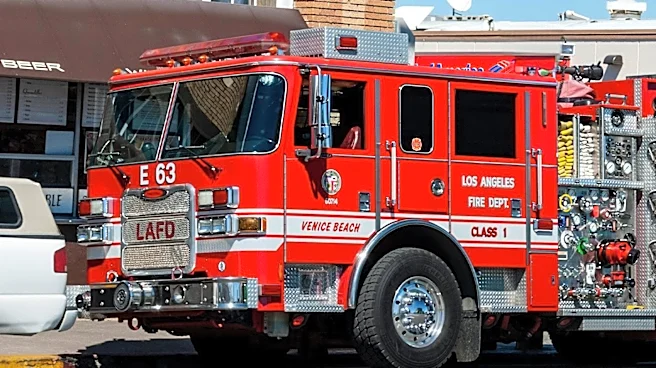
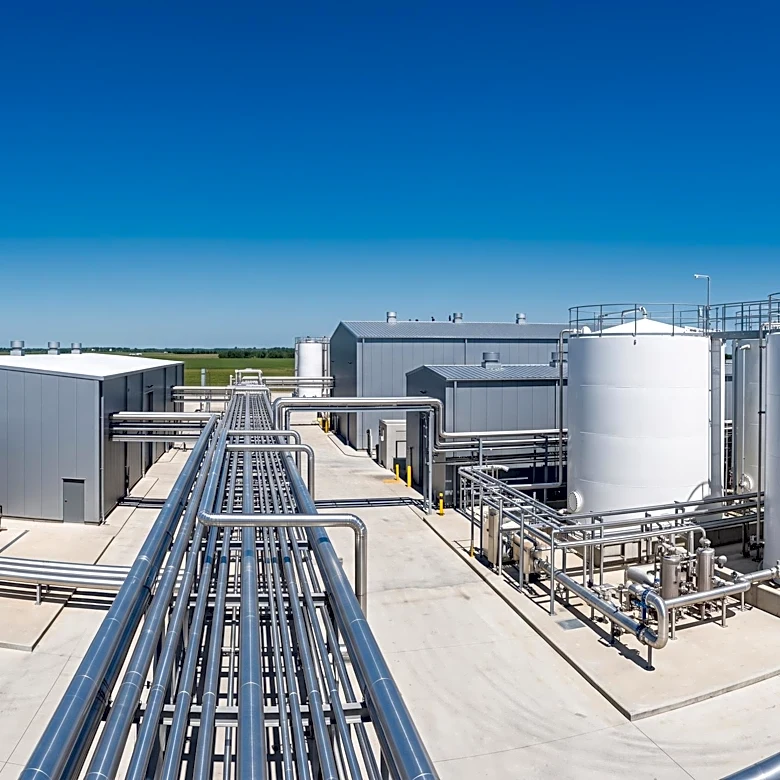
Lineage, the world's largest cold storage company, is under increased scrutiny following a fire at its 480,000-square-foot cold storage warehouse in Boyle Heights, Los Angeles. The fire, which began on June 17, resulted in 85 million pounds of rotten
meat needing removal and caused significant environmental and community impact, including odor complaints and a shelter-in-place order. Despite missing deadlines set by Mayor Karen Bass, Lineage announced it is in the final stages of cleanup. The incident has drawn attention to the company's safety record, with CBS News reporting over $4.5 million in federal penalties since 2014 and 34 building fires throughout its history. The fire's cause is still under investigation, but it started while contractors were servicing a rooftop solar array. This event occurs amidst a broader market reset in the U.S. cold storage sector, where new construction has peaked, but net absorption has fallen, leading to rising vacancy rates nationally.
Why It's Important?
The Boyle Heights fire highlights critical issues within the U.S. cold storage industry, particularly concerning safety, environmental impact, and urban planning. The incident has prompted Mayor Bass to call for accountability and support Assembly Bill 817, which would require closer review for cold storage developers and mandate a 'contingency fund' for industrial accidents. This legislative push could significantly alter development regulations for industrial facilities, especially those near residential areas and schools, potentially increasing costs and complexities for developers. The fire also underscores the vulnerability of the food supply chain, as cold storage facilities are essential for preserving fresh food. The industry's leading lobbying group, Global Cold Chain Alliance, and various agriculture and food producer groups oppose the bill, arguing it could deter investment and exacerbate existing capacity challenges in California's food supply chain. The event also brings to light the aging infrastructure of cold storage in regions like Los Angeles, which has the oldest average age of industrial buildings in the country.
What's Next?
The cleanup of the Boyle Heights facility is nearing completion, but the legal and political fallout is just beginning. Mayor Bass has directed city attorneys to place a lien on the property and pursue all legal options for cost recovery and penalties, indicating a prolonged legal battle for Lineage. The proposed Assembly Bill 817, supported by Mayor Bass, will face continued debate in the California State Senate. Its passage could lead to stricter regulations and financial obligations for cold storage developers across the state, potentially influencing similar legislation in other regions. The industry will likely continue to push back against such measures, citing concerns about investment and supply chain capacity. For Lineage, while Wall Street analysts view the incident as isolated, the company will need to navigate ongoing litigation and public scrutiny, which could impact its reputation and future expansion plans, particularly in California.
Beyond the Headlines
The Boyle Heights fire exposes deeper societal and environmental implications beyond immediate cleanup and legal battles. The incident highlights the disproportionate impact of industrial accidents on communities, particularly those in urban cores like Boyle Heights, which are often located near critical infrastructure. The push for Assembly Bill 817 reflects a growing demand for corporate responsibility and environmental justice, challenging the traditional balance between industrial development and community well-being. The debate over the bill also reveals a tension between economic development and environmental protection, with food producers and distributors concerned about potential disincentives for investment in a crucial sector. This event could serve as a catalyst for a broader reevaluation of industrial zoning laws and safety protocols nationwide, especially as e-commerce and convenience spending continue to drive demand for logistics and cold storage facilities in densely populated areas. The long-term shift could see increased community involvement in industrial planning and a greater emphasis on resilient and environmentally conscious supply chain infrastructure.