
What's Happening?
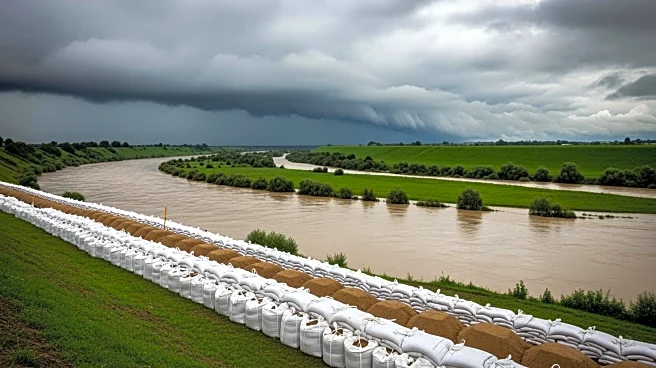
A recent report by Willis Towers Watson (WTW) highlights a potential tenfold increase in flood-related economic losses in Southeast Asia due to extreme weather events. The Natural Catastrophe Review 2026
indicates that future flooding could result in losses exceeding $10 billion, a significant rise from the $1 to $2 billion range typical over the past decade. The report attributes this increase to warmer oceans and shifting storm patterns, which make past weather models unreliable for predicting future risks. The region, including countries like the Philippines, Myanmar, and Vietnam, is particularly vulnerable to climate change impacts. The report also emphasizes the importance of risk-layered disaster financing to enhance resilience and financial stability in these disaster-prone economies.
Why It's Important?
The projected increase in flood losses underscores the growing impact of climate change on vulnerable regions, with significant implications for economic stability and disaster preparedness. Southeast Asia's heightened risk of natural disasters could strain local economies and necessitate increased investment in infrastructure and disaster response systems. The report's findings highlight the need for innovative financial solutions, such as combining public and private funding, to mitigate the economic volatility caused by such events. This situation also presents opportunities for the insurance industry to develop new products and services tailored to these emerging risks.
What's Next?
Countries in Southeast Asia may need to enhance their disaster preparedness and resilience strategies, potentially leading to increased collaboration with international organizations and financial institutions. Governments might prioritize investments in infrastructure improvements and climate adaptation measures. The insurance industry could see a rise in demand for products that address climate-related risks, prompting further innovation in risk assessment and management. Additionally, the findings may influence global climate policy discussions, emphasizing the need for coordinated efforts to address the impacts of climate change on vulnerable regions.