








What's Happening?
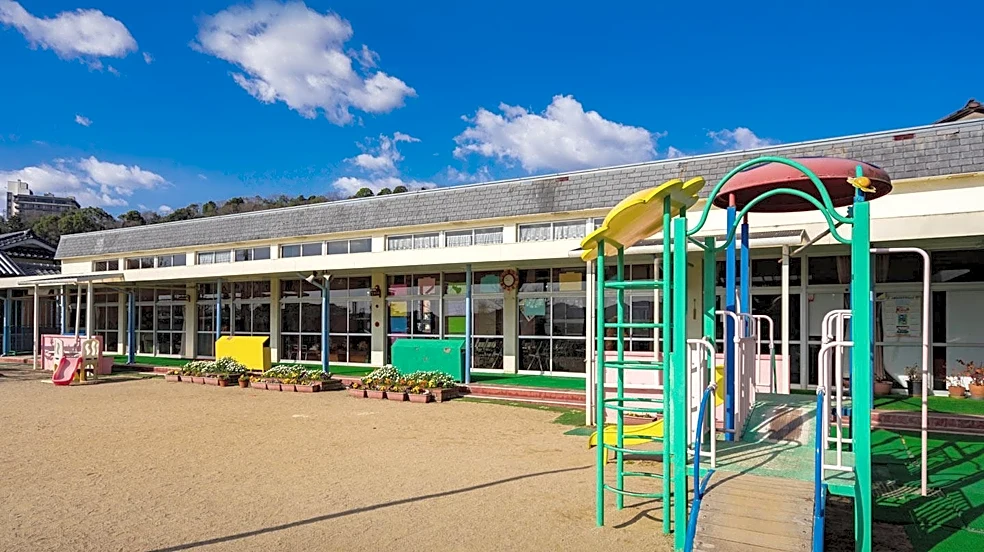
Charles County Public Schools (CCPS) is rolling out core word boards across elementary school playgrounds to improve communication among students and staff. These low-tech tools, which have been utilized by CCPS special education and adaptive technology
teams for years, are designed to assist non- or minimally verbal individuals, but their benefits extend to nearly all students. Jennifer Fitzpatrick, a CCPS speech-language pathologist and assistive technology professional, stated that these boards offer a universal visual support for communication during play, social interactions, and problem-solving. The boards feature color-coded boxes with words and corresponding icons, representing about 80% of typical daily conversations. For instance, purple boxes contain questions, green boxes have verbs, and yellow boxes display pronouns. The initiative coincides with Augmentative and Alternative Communication (AAC) Awareness Month. The program was piloted last year at several elementary schools and is expected to be installed at all CCPS elementary schools by the end of the current school year. School staff also carry mini versions of these boards on their lanyards for use when the larger playground boards are not accessible.
Why It's Important?
The implementation of core word boards in CCPS playgrounds signifies a significant step towards fostering inclusive communication environments within educational settings. By providing accessible communication tools in unstructured play settings like recess, the school system aims to ensure that every student has the opportunity to express themselves, participate, and connect with peers and staff. This initiative is particularly crucial for students with limited verbal abilities, English language learners, and those who use communication devices, as it removes barriers to interaction and social engagement. The boards facilitate essential communication skills such as turn-taking, asking for help, problem-solving, and making choices, which are vital for social development. Furthermore, by normalizing the use of such communication aids, CCPS is promoting a more understanding and supportive community where diverse communication needs are recognized and addressed, ultimately enhancing the overall educational experience and sense of belonging for all students.
What's Next?
The immediate next step for Charles County Public Schools is the continued installation of core word boards across all elementary school playgrounds, with completion anticipated by the end of the current school year. Concurrently, CCPS speech-language pathologists and assistive technology professionals, such as Jennifer Fitzpatrick and Heinmiller, will continue visiting schools to provide training to staff on the effective use of both the large playground boards and the smaller lanyard cards. This ongoing training is crucial to ensure that educators and support staff are proficient in utilizing these tools to maximize their benefit for students. Future developments may include assessments of the program's impact on student communication and social interaction, potentially leading to refinements or expansions of the initiative. The success of this program could also serve as a model for other school districts looking to enhance communication accessibility in their own educational environments.
Beyond the Headlines
Beyond the immediate benefits of improved communication, the widespread adoption of core word boards in CCPS playgrounds reflects a deeper commitment to universal design for learning and fostering an inclusive school culture. This initiative subtly educates the entire student body about diverse communication methods, promoting empathy and understanding among children from a young age. It challenges the traditional reliance on verbal communication as the sole means of interaction, thereby validating and empowering students who communicate differently. Ethically, it underscores the right of every child to have a voice and participate fully in their educational and social environments. Long-term, this approach could lead to a generation of students who are more adept at understanding and interacting with individuals with diverse communication needs, fostering a more inclusive society. It also highlights the evolving role of assistive technology, demonstrating that even low-tech solutions can have a profound impact on accessibility and inclusion.