






What's Happening?
The Operational Technology Cyber Coalition (OTCC), joined by 34 other critical infrastructure organizations, has called on U.S. congressional leaders to include a ten-year reauthorization of the Cybersecurity Information Sharing Act of 2015 (CISA 2015)
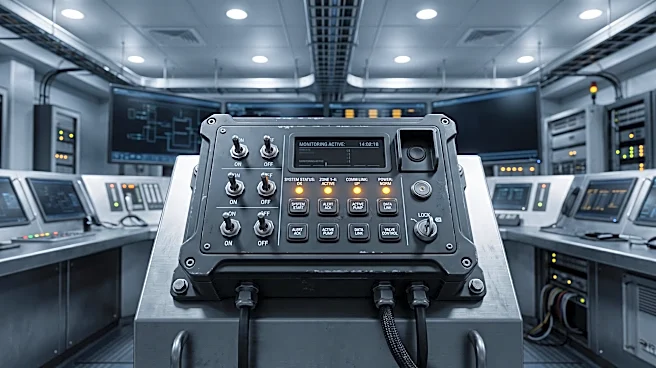
in the final Fiscal Year 2027 National Defense Authorization Act (NDAA). In a November 1 letter to the leaders of the House and Senate Armed Services Committees, the coalition supported Section 1706 of H.R. 8800, which would extend the law through 2035. CISA 2015 is set to expire on December 11, 2026. The law facilitates voluntary sharing of cyber threat indicators and defensive measures between private-sector entities and the federal government, offering crucial liability protections. The OTCC emphasized the law's importance for operational technology (OT) environments, where vulnerabilities in industrial control systems can disrupt essential services like electricity grids, drinking water systems, and manufacturing facilities. The coalition highlighted that artificial intelligence is accelerating the identification and exploitation of software vulnerabilities, making sophisticated cyber capabilities more accessible and reducing the time defenders have to respond.
Why It's Important?
The reauthorization of CISA 2015 is deemed critical for national security, particularly in the face of rapidly evolving AI-powered cyber threats. The law provides the legal certainty and liability protections necessary for private sector organizations to share vital cyber threat intelligence with the government and each other. Without these protections, the speed and breadth of information sharing, which is essential for keeping pace with adversaries, could be compromised. The coalition argues that AI tools are making cyberattacks cheaper, faster, and easier to execute, collapsing the window between vulnerability discovery and exploitation. This makes timely and actionable threat intelligence indispensable for critical infrastructure owners and operators to preempt and mitigate attacks that could have severe physical and economic consequences. A lapse or short-term extension of CISA 2015 would create instability, potentially hindering the collaborative cybersecurity efforts that have been built over the past decade.
What's Next?
The immediate next step involves congressional leaders considering the OTCC's plea during the finalization of the Fiscal Year 2027 National Defense Authorization Act. The coalition is urging Congress to retain the 10-year reauthorization provision in the final NDAA. Should the reauthorization be included, critical infrastructure owners and operators, along with their supporting companies, would gain the stability needed to continue sharing threat information effectively. Conversely, a failure to reauthorize or a short-term extension could lead to uncertainty, potentially reducing the willingness of organizations to share sensitive cyber threat data due to concerns about legal exposure. This could leave critical infrastructure more vulnerable to sophisticated, AI-driven cyberattacks. Stakeholders will be closely watching the legislative process to see if these critical protections are maintained in the final conference agreement.
Beyond the Headlines
The push for CISA 2015 reauthorization underscores a broader challenge in cybersecurity: adapting legal and policy frameworks to the accelerating pace of technological advancement, particularly in AI. The increasing sophistication of AI in identifying and exploiting vulnerabilities highlights a fundamental shift in the cyber threat landscape, where human response times are increasingly outmatched by machine speed. This situation raises questions about the long-term efficacy of traditional information-sharing models and the need for more dynamic, AI-assisted defense mechanisms. Furthermore, the emphasis on liability protections points to the ongoing tension between encouraging proactive cybersecurity measures and managing legal risks for private entities. The outcome of this reauthorization effort could set a precedent for how the U.S. government and private sector collaborate to defend against future AI-powered threats, potentially influencing the development of new legal and operational paradigms for national cybersecurity.