



What's Happening?
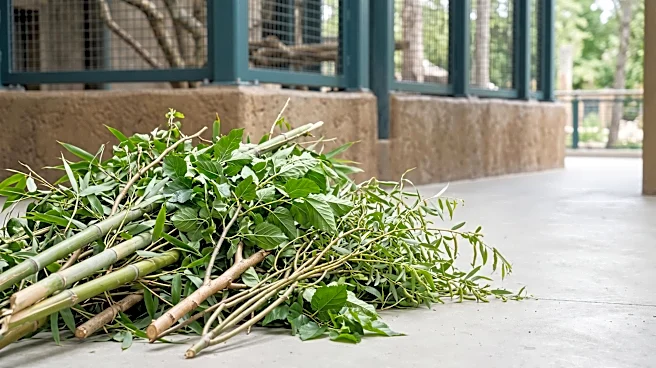
The Reid Park Zoo in Tucson, Arizona, has initiated a 'browse donation program,' inviting the community to contribute approved tree trimmings and other vegetation to feed its animals. This initiative aims to repurpose yard waste, which would otherwise
go to landfills, into food and enrichment for various animals, including elephants, giraffes, Baird’s tapirs, and blue duikers. 'Browse' refers to twigs, branches, shoots, and leaves from woody plants. The zoo has specific requirements for donations, accepting only certain plant species like acacia, bamboo, mulberry, pistache, Chilean mesquite, pepper trees, and willow. Donations must be free of thorns, toxic or unapproved plants, and chemicals. Freshness is also crucial, with leafy branches needing to be no more than two days old. Interested donors are asked to submit photos for species confirmation before arranging drop-off or pickup.
Why It's Important?
This program offers a dual benefit: it provides a sustainable and cost-effective food source for the zoo's animals while simultaneously reducing landfill waste from the community. For the zoo, a diverse and fresh diet is essential for animal health and well-being, and browse also serves as a form of mental and physical enrichment. By engaging the community, the zoo fosters environmental stewardship and educates the public about sustainable practices. This initiative can also inspire other zoos and communities to explore similar programs, promoting a circular economy where waste from one sector becomes a resource for another. The program highlights the importance of responsible waste management and the creative solutions that can arise from collaboration between institutions and the public.
What's Next?
The Reid Park Zoo will continue to accept and process browse donations, expanding its network of community contributors. The success of the program will depend on ongoing public participation and adherence to the zoo's specific guidelines for plant species and freshness. The zoo may also explore partnerships with local landscaping companies or arborists to increase the volume and consistency of donations. Furthermore, the program could serve as a model for other zoos, potentially leading to a broader adoption of similar initiatives across the country. The zoo will likely continue to educate the public on the benefits of the program and the specific needs of its animals, encouraging more widespread involvement and environmental awareness.
Beyond the Headlines
The browse donation program at Reid Park Zoo subtly underscores the interconnectedness of urban environments, wildlife conservation, and waste management. It challenges the conventional view of 'waste' by demonstrating its potential value as a resource. This initiative also highlights the increasing pressure on zoos to operate sustainably and find innovative ways to care for their animals while minimizing their environmental footprint. Ethically, it promotes a more holistic approach to animal welfare, recognizing that diet and environmental enrichment are crucial for the physical and psychological health of captive animals. Culturally, it strengthens the bond between the community and its local zoo, transforming residents from passive visitors into active participants in animal care and environmental conservation. This program is a small but significant step towards a more integrated and sustainable urban ecosystem.