








What's Happening?
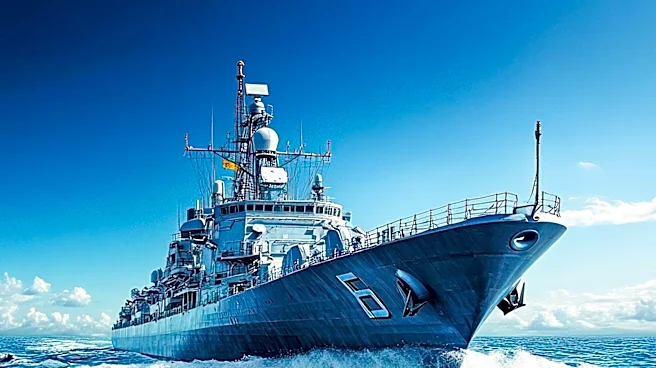
Ukrainian Navy spokesperson Dmytro Pletenchuk has reported that Russian vessels frequently disable their Automatic Identification System (AIS) transponders after passing through the Bosphorus Strait, making it difficult to track their movements. These
ships may also alter their routes or declared destinations to further obscure their activities. Pletenchuk added that Russian forces are periodically employing electronic warfare systems to interfere with GPS signals, causing navigation coordinates to shift. This interference poses additional risks to maritime navigation in the region. The disabling of AIS and the use of GPS jamming are part of Russia's broader maritime activities, which include the operation of a 'shadow fleet' linked to the transport of Russian oil and gas, according to Ukrainian military intelligence.
Why It's Important?
The reported actions by Russian forces have significant implications for maritime security and international navigation. Disabling AIS transponders creates 'dark targets' on the seas, increasing the risk of collisions and making it harder for authorities to monitor vessel traffic, potentially facilitating illicit activities. The use of electronic warfare to interfere with GPS signals not only endangers navigation for all vessels in the affected areas but also demonstrates a deliberate tactic to disrupt critical infrastructure. This practice can lead to misdirection, delays, and even accidents, impacting commercial shipping and potentially escalating tensions in an already volatile region. The 'shadow fleet' operations, combined with these tactics, highlight a concerted effort to circumvent international norms and sanctions, posing challenges to global maritime governance and stability.
What's Next?
The international community, particularly maritime organizations and naval forces, will likely increase scrutiny of Russian shipping activities in the Black Sea and surrounding waters. There may be calls for enhanced surveillance and enforcement measures to counter the disabling of AIS and GPS interference. Naval patrols and intelligence gathering could be intensified to track vessels operating without proper identification. Furthermore, there could be diplomatic efforts to condemn these practices and pressure Russia to adhere to international maritime regulations. The development and deployment of more resilient navigation systems that are less susceptible to GPS jamming will also become a priority for commercial and military vessels operating in contested areas.
Beyond the Headlines
The actions described by the Ukrainian Navy point to a broader trend of weaponizing information and technology in modern conflict. The deliberate interference with GPS and the concealment of vessel movements are not just tactical maneuvers but also psychological operations aimed at creating uncertainty and disrupting an adversary's operational environment. This raises ethical questions about the responsible use of technology and the potential for such tactics to spill over into civilian domains, affecting innocent maritime traffic. The long-term implications could include a re-evaluation of international maritime law to address these new forms of electronic warfare and a push for greater transparency in global shipping to prevent the exploitation of technological vulnerabilities for strategic advantage.